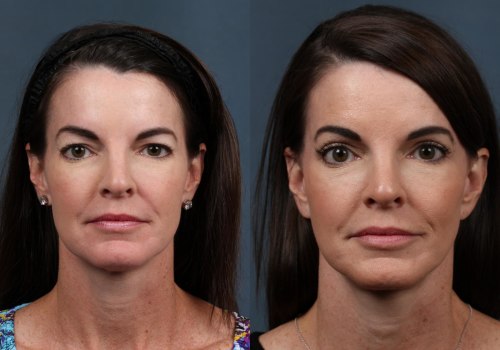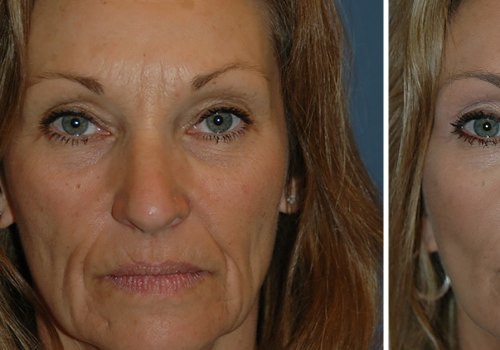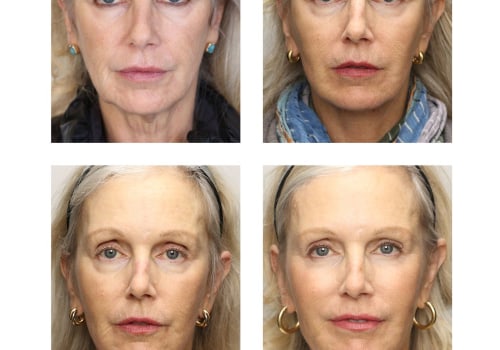
A mini facelift is a less invasive surgical procedure designed to rejuvenate the face by addressing early signs of aging, such as sagging skin and loss of facial volume. Unlike a traditional facelift, which typically involves more extensive incisions and a longer recovery period, a mini facelift focuses on specific areas of the face, primarily the lower cheeks, jawline, and neck. This targeted approach allows for significant aesthetic improvements while minimising trauma to the surrounding tissues.One of the primary benefits of a mini facelift is its ability to provide natural-looking results with minimal downtime. Patients can often return to their daily activities within a week, making it an appealing option for younger individuals who may not want to take extended time off work or social engagements.
The procedure involves smaller incisions, which not only reduces visible scarring but also contributes to a quicker healing process.When comparing a mini facelift to a full facelift, it’s essential to consider the specific needs and goals of the patient. A full facelift is generally recommended for those experiencing more advanced signs of aging, such as significant skin laxity or deep wrinkles. In contrast, younger patients in their 30s and 40s may find that a mini facelift effectively addresses their concerns without the need for more invasive surgery. This makes it an ideal choice for those looking to maintain their youthful appearance without undergoing extensive procedures.In summary, understanding what a mini facelift entails and how it differs from traditional facelifts is crucial for younger patients considering facial rejuvenation options.
With its combination of effective results and reduced recovery time, the mini facelift presents an attractive solution for those beginning to notice the first signs of aging.
Why Younger Patients Consider Mini Facelifts
In recent years, there has been a noticeable trend of younger individuals seeking mini facelifts as a viable option for facial rejuvenation. This shift can be attributed to several factors that resonate with the desires and concerns of this demographic.One of the primary motivations for younger patients considering a mini facelift is the emergence of early signs of aging. Many individuals in their late 30s to early 50s begin to notice subtle changes in their facial structure, such as:- Fine lines around the eyes and mouth
- Slight sagging of the skin, particularly around the jawline and neck
- Loss of volume in the cheeks and temples
In today’s image-conscious society, where social media plays a pivotal role in self-presentation, many individuals feel pressured to look their best. A mini facelift can provide a subtle enhancement that revitalises one’s appearance while still looking natural. This is particularly appealing to younger patients who may fear that a full facelift could result in an overly dramatic change.Moreover, the lower recovery time associated with mini facelifts is another compelling factor. Unlike traditional facelifts that may require weeks of downtime, many younger patients appreciate that they can return to their daily routines much sooner after a mini facelift.
This convenience allows them to balance their professional and personal lives without significant disruption.Additionally, younger patients often have a proactive approach to skincare and aesthetics. They are more informed about cosmetic procedures and are keen on preventative measures to combat aging before it becomes more pronounced. By opting for a mini facelift at an earlier age, they can effectively stave off more severe signs of aging in the future.In conclusion, the motivations behind younger patients seeking mini facelifts are multifaceted. From addressing early signs of aging to achieving a refreshed look with minimal downtime, this procedure aligns well with the desires of those looking to enhance their appearance while maintaining a natural aesthetic.
Key Benefits of Mini Facelifts
Mini facelifts have gained popularity among younger patients due to their numerous advantages, making them an appealing option for those seeking facial rejuvenation without the extensive recovery associated with traditional facelifts.Below are some of the key benefits that make mini facelifts a preferred choice.
- Shorter Recovery Time: One of the most significant benefits of a mini facelift is the reduced recovery period. Patients can typically return to their daily activities within a week, allowing them to resume work and social engagements much sooner than with a full facelift. This shorter downtime is particularly advantageous for younger individuals who may have busy lifestyles and commitments.
- Minimal Scarring: The technique used in mini facelifts involves smaller incisions compared to traditional facelifts, resulting in less visible scarring. For younger patients who are often more concerned about aesthetics, this is a crucial factor.
The incisions are strategically placed to be hidden within natural contours of the face, ensuring that any scars are discreet and fade over time.
- Lower Risk of Complications: As a less invasive procedure, mini facelifts carry a lower risk of complications. The reduced trauma to the body means that patients experience fewer side effects and complications during and after surgery. This aspect provides peace of mind for younger patients who may be apprehensive about undergoing surgical procedures.
- Effective Results for Mild Sagging: Mini facelifts are particularly effective for addressing early signs of aging, such as mild sagging around the jawline and neck. For younger patients in their 30s and 40s who may not yet require a full facelift, this procedure can provide significant improvements in facial contour and skin tightness without the need for more extensive surgery.
- Long-Lasting Results: Despite being less invasive, the results of a mini facelift can last several years—often up to ten years—making it a worthwhile investment for those looking to maintain a youthful appearance.
This longevity is especially appealing for younger patients who want to proactively address aging concerns before they become more pronounced.
Recovery Process After a Mini Facelift
Recovering from a mini facelift is generally a smoother process compared to a full facelift, thanks to the less invasive nature of the procedure. However, understanding the recovery timeline and adhering to post-operative care is crucial for optimal results.Expected Recovery Timeline
- First 24-48 Hours: Immediately after the surgery, patients can expect some swelling and bruising. This is normal and should gradually subside.
Most patients are advised to rest and keep their head elevated to minimise swelling.
- Week One: During the first week, you may experience discomfort, which can be managed with prescribed pain medication. Stitches are typically removed within 5 to 7 days post-surgery, depending on your surgeon's advice.
- Weeks Two to Four: By the end of the second week, many patients feel comfortable returning to work and resuming light activities. Swelling will continue to decrease, and any residual bruising should fade significantly.
- One Month and Beyond: Most patients see substantial improvement in their appearance by one month post-surgery. Full recovery can take up to six months, during which time the final results will become evident.
Post-Operative Care Tips
- Follow Your Surgeon’s Instructions: Adhering to your surgeon's specific post-operative care instructions is vital for a smooth recovery.
- Manage Discomfort: Use prescribed pain relief as directed.
Ice packs can also help reduce swelling and discomfort during the initial recovery phase.
- Avoid Strenuous Activities: Refrain from heavy lifting or vigorous exercise for at least two weeks to prevent complications.
- Stay Hydrated: Drinking plenty of water aids in healing and helps reduce swelling.
- Protect Your Skin: Avoid sun exposure on your healing skin. Use sunscreen as recommended by your surgeon once you are cleared to do so.
Managing Discomfort
It’s common to experience some level of discomfort following a mini facelift. To manage this effectively:
- Use cold compresses: Applying cold compresses can alleviate swelling and numb the area, providing relief from discomfort.
- Pace yourself: Listen to your body; if you feel fatigued, take breaks and rest as needed.
Long-Term Results and Maintenance
When considering a mini facelift, one of the most common concerns among patients is the longevity of the results. Generally, a mini facelift can provide noticeable improvements that last anywhere from five to ten years , depending on various factors.Understanding these factors can help patients make informed decisions and set realistic expectations for their aesthetic journey.
Factors Influencing Longevity
- Age: Younger patients typically experience longer-lasting results due to their skin's natural elasticity and overall health. As we age, skin loses collagen and elasticity, which can affect how long the results of a facelift endure.
- Skin Type: Individuals with thicker, more resilient skin may enjoy longer-lasting results compared to those with thinner or more delicate skin. Skin quality plays a significant role in how well it responds to surgical procedures.
- Lifestyle Choices: Factors such as smoking, excessive alcohol consumption, and poor diet can accelerate the aging process and diminish the results of a mini facelift. Maintaining a healthy lifestyle is crucial for prolonging youthful appearance.
- Sun Exposure: Prolonged exposure to UV rays can lead to premature aging and skin damage.
Using sunscreen daily and avoiding excessive sun exposure can significantly enhance the longevity of facelift results.
- Weight Fluctuations: Significant weight loss or gain can alter facial contours and affect the results of a mini facelift. Maintaining a stable weight is essential for preserving the outcome of the procedure.
Maintenance Tips for Prolonging Results
To ensure that the results of a mini facelift last as long as possible, patients should consider implementing a few key maintenance strategies:
- Skincare Regimen: Invest in a high-quality skincare routine that includes moisturisers, serums, and treatments tailored to your skin type. Ingredients like retinoids and hyaluronic acid can help maintain skin elasticity and hydration.
- Regular Facials: Professional facials can help rejuvenate the skin and maintain its health. Treatments such as microdermabrasion or chemical peels can enhance skin texture and appearance.
- Healthy Diet: A balanced diet rich in antioxidants, vitamins, and minerals supports skin health from within.
Foods high in omega-3 fatty acids, such as fish and nuts, can also promote elasticity.
- Hydration: Drinking plenty of water is vital for maintaining skin moisture and overall health. Proper hydration helps keep the skin plump and youthful.
- Avoiding Smoking: Smoking accelerates skin aging by reducing blood flow and depleting essential nutrients. Quitting smoking can significantly improve your skin's appearance over time.
Who is an Ideal Candidate for a Mini Facelift?
Determining whether a mini facelift is the right choice for you involves understanding the characteristics that define an ideal candidate.While this procedure is often associated with older individuals seeking to combat significant signs of aging, younger patients can also benefit greatly from a mini facelift, particularly if they exhibit certain traits.
Age Considerations
Typically, the ideal age range for a mini facelift falls between 40 and 50 years old. At this stage, many individuals begin to notice subtle signs of aging, such as mild sagging around the jawline and neck, which can be effectively addressed through this less invasive procedure. However, younger patients in their late 30s may also be suitable candidates if they are starting to experience early signs of skin laxity or facial volume loss.Skin Condition and Elasticity
Another critical factor in determining candidacy for a mini facelift is the condition of the skin. Candidates should ideally have:- Good Skin Elasticity: Younger patients often possess better skin elasticity, which can lead to more satisfying results post-surgery.
Skin that retains its firmness and bounce is more likely to respond well to the lifting techniques used in a mini facelift.
- Mild Sagging: Those with only mild sagging or loose skin around the jawline or neck are prime candidates. A mini facelift is designed to address these early signs of aging without the need for more extensive surgical intervention.
- Realistic Expectations: Ideal candidates should have a clear understanding of what a mini facelift can achieve. They should seek natural-looking results rather than dramatic changes, ensuring that their expectations align with the outcomes typically associated with this procedure.
Health Considerations
In addition to age and skin condition, overall health plays a significant role in determining candidacy. Prospective patients should be in good health, free from any medical conditions that could complicate surgery or recovery.A thorough consultation with a qualified plastic surgeon will help assess individual health factors and suitability for the procedure.Ultimately, younger patients considering a mini facelift should focus on their specific aesthetic goals and consult with a skilled surgeon who can provide tailored advice based on their unique circumstances. This approach ensures that they make informed decisions about their appearance and long-term skincare strategies.
Comparing Mini Facelifts to Full Facelifts
When considering facial rejuvenation, understanding the differences between a mini facelift and a full facelift is crucial for making an informed decision. Both procedures aim to enhance appearance and restore a youthful look, but they cater to different needs and concerns.Mini Facelift vs Full Facelift
A mini facelift is designed for patients experiencing early signs of aging, such as mild sagging around the jawline and neck. This procedure typically involves smaller incisions and focuses on lifting the lower face, providing subtle yet effective results.
In contrast, a full facelift addresses more extensive aging concerns, including significant sagging, deep wrinkles, and loss of volume across the entire face.
Key Differences
- Incision Size: Mini facelifts require smaller incisions, often hidden within the hairline or natural creases of the skin. Full facelifts involve longer incisions that extend from the temples down around the ears.
- Recovery Time: Patients undergoing a mini facelift generally experience a quicker recovery period, often returning to normal activities within a week. Full facelifts may require several weeks for complete recovery due to the more invasive nature of the procedure.
- Results: While both procedures can yield impressive results, a mini facelift offers a more natural look with less dramatic changes. A full facelift can provide more significant rejuvenation but may also carry a higher risk of looking overdone if not performed skillfully.
When to Choose Each Option
The choice between a mini facelift and a full facelift largely depends on individual factors such as age, skin condition, and personal aesthetic goals.
Younger patients in their 30s or 40s who are beginning to notice signs of aging may find that a mini facelift meets their needs effectively. This option allows them to address early sagging without undergoing extensive surgery.On the other hand, individuals over 50 or those with more pronounced signs of aging may benefit more from a full facelift. This procedure can comprehensively address multiple areas of concern, providing a more youthful appearance that lasts longer.Ultimately, consulting with a qualified plastic surgeon is essential to determine which procedure aligns best with your goals and expectations. They can assess your unique facial structure and skin condition to recommend the most suitable option for achieving your desired results.
Frequently Asked Questions About Mini Facelifts
When considering a mini facelift, potential patients often have numerous questions and concerns.Addressing these can help demystify the procedure and provide clarity on what to expect.
What is a mini facelift?
A mini facelift is a less invasive surgical procedure designed to tighten and lift the skin on the lower face and neck. Unlike a traditional facelift, which addresses more extensive sagging and skin laxity, a mini facelift focuses on subtle improvements, making it an ideal choice for younger patients who are beginning to notice early signs of aging.How long does the recovery take?
One of the most appealing aspects of a mini facelift is the relatively short recovery time. Most patients can return to their normal activities within one to two weeks. However, it’s essential to follow your surgeon's post-operative care instructions to ensure optimal healing.Are there any risks associated with a mini facelift?
As with any surgical procedure, there are risks involved.However, because a mini facelift is less invasive than a full facelift, the risks are generally lower. Common concerns include swelling, bruising, and infection. Discussing these risks with your surgeon can help you make an informed decision.
Will I have visible scars?
Scarring is a common concern for many patients considering facial surgery. A mini facelift typically involves smaller incisions compared to a full facelift, which can result in less noticeable scars.Your surgeon will place incisions in discreet locations, such as along the hairline or behind the ears, to minimise visibility.
How long do the results last?
The results of a mini facelift can last anywhere from five to ten years, depending on various factors such as skin type, age, and lifestyle choices. Maintaining a healthy skincare routine and protecting your skin from sun damage can help prolong the effects of your surgery.Who is an ideal candidate for a mini facelift?
Ideal candidates for a mini facelift are typically individuals in their 30s to 50s who are experiencing mild sagging in the lower face and neck area. If you have good skin elasticity and realistic expectations about the outcomes, you may be an excellent candidate for this procedure.If you have further questions or concerns about undergoing a mini facelift, it’s crucial to consult with a qualified plastic surgeon who can provide personalised advice based on your unique situation.Conclusion: The Value of Mini Facelifts for Younger Patients
In conclusion, the mini facelift presents a compelling option for younger patients seeking to enhance their facial aesthetics without the extensive recovery time and risks associated with more invasive procedures. As we have explored, this less invasive approach offers numerous advantages that cater specifically to the needs and concerns of individuals in their 40s and early 50s.One of the most significant benefits of a mini facelift is the shorter recovery period.Patients can typically return to their daily routines much sooner than they would after a full facelift, allowing them to maintain their professional and personal commitments with minimal disruption. This aspect is particularly appealing for younger individuals who may not have the luxury of taking extended time off work.Moreover, the reduced number of incisions involved in a mini facelift translates to less visible scarring , which is often a primary concern for younger patients. The discreet nature of the procedure means that many can enjoy rejuvenated features without drawing attention to their surgical enhancements.Additionally, the lower risk of complications associated with mini facelifts provides peace of mind for those considering facial rejuvenation. With less trauma to the body, patients can feel more confident in their decision to undergo surgery, knowing that they are opting for a safer alternative.Importantly, a mini facelift effectively addresses early signs of aging, such as mild sagging around the jawline and neck.
This makes it an ideal choice for younger patients who are beginning to notice these changes but do not yet require the extensive intervention that a full facelift entails.Ultimately, as we have discussed throughout this article, mini facelifts offer a valuable solution for younger individuals looking to maintain their youthful appearance. With long-lasting results and minimal downtime, this procedure stands out as an excellent option for those ready to take proactive steps in their aesthetic journey.