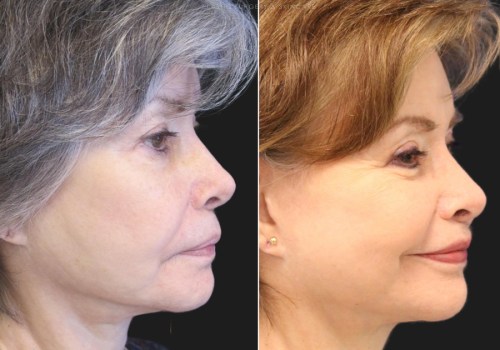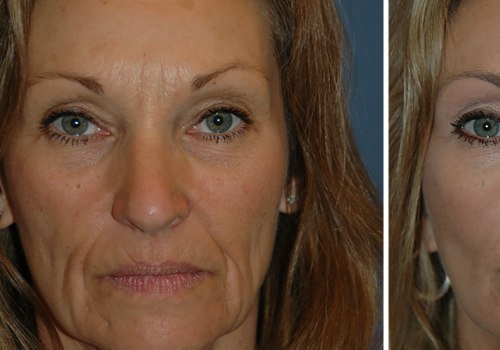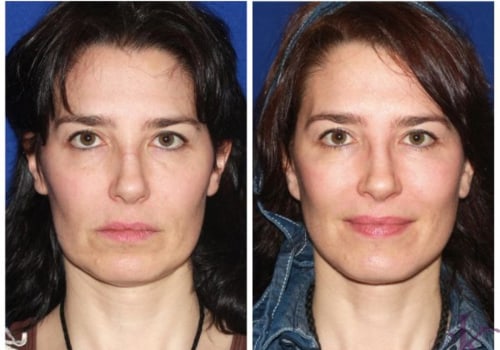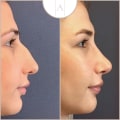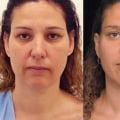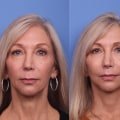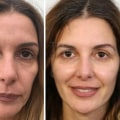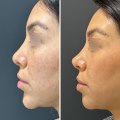
A facelift, or rhytidectomy, is a popular cosmetic surgical procedure designed to rejuvenate the face by addressing signs of aging such as sagging skin, deep creases, and loss of facial volume. As we age, the skin loses its elasticity and firmness, leading to a tired or worn appearance. A facelift aims to restore a more youthful contour by lifting and tightening the underlying muscles and tissues, resulting in a smoother and more defined facial profile.The facelift procedure typically begins with a thorough consultation where the surgeon evaluates the patient's facial structure, skin condition, and aesthetic goals. This initial assessment is crucial for determining the most suitable technique for each individual.
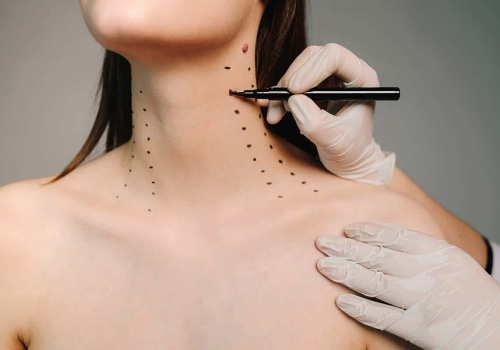
There are various methods of performing a facelift, including traditional facelifts, mini facelifts, and non-surgical options. Each technique has its own set of advantages and is tailored to meet the specific needs of the patient.During the surgery, incisions are strategically placed to minimise visible scarring. The surgeon then lifts the skin away from the underlying tissues, tightens the muscles, and removes excess fat if necessary. Once these adjustments are made, the skin is repositioned and sutured back into place.
The entire process can take several hours, depending on the complexity of the procedure and whether additional treatments are performed simultaneously.The benefits of a facelift extend beyond mere aesthetics; many patients report increased self-confidence and improved emotional well-being following their surgery. By effectively reducing signs of aging, a facelift can enhance one's overall appearance and help individuals feel more aligned with their inner vitality. However, it is essential for prospective patients to have realistic expectations and understand that while a facelift can significantly improve facial aesthetics, it does not stop the aging process altogether.
The Science Behind Aging and Facial Changes
Aging is an inevitable process that affects everyone, and its impact on our appearance is most prominently observed in the face. As we age, various biological and environmental factors contribute to the changes we see in our facial structure and skin quality.One of the primary biological factors influencing facial aging is the gradual loss of skin elasticity.Collagen and elastin are proteins that provide structure and support to the skin, but their production decreases significantly with age. This reduction leads to sagging skin, wrinkles, and a loss of volume in areas such as the cheeks and temples. Additionally, the fat pads beneath the skin begin to diminish or shift, further altering the contours of the face.Another critical aspect of aging is the effect of gravity. Over time, gravitational pull causes skin to sag, particularly around the jawline and neck.
This phenomenon can create jowls and deepen nasolabial folds, which are the lines running from the nose to the corners of the mouth.Environmental factors also play a significant role in facial aging. Sun exposure is one of the most damaging elements, leading to photoaging. UV rays can break down collagen and elastin fibers in the skin, resulting in premature wrinkles, pigmentation changes, and a rough texture. Furthermore, lifestyle choices such as smoking and poor diet can exacerbate these effects by reducing blood flow to the skin and depleting essential nutrients.Moreover, hydration levels are crucial for maintaining youthful skin.
As we age, our skin tends to become drier due to decreased oil production. This dryness can accentuate fine lines and make the skin appear dull.Understanding these factors is essential for anyone considering cosmetic procedures like facelifts. By recognising how aging affects our facial features, individuals can make informed decisions about their aesthetic goals and explore options that may help restore a more youthful appearance.
How a Facelift Can Reverse Signs of Aging
A facelift, or rhytidectomy, is a surgical procedure designed to address the visible signs of aging in the face and neck. As we age, our skin loses elasticity and volume, leading to sagging skin, deep wrinkles, and a tired appearance.A facelift can effectively reverse these changes, providing a more youthful and rejuvenated look.One of the primary benefits of a facelift is its ability to reduce wrinkles and fine lines. By lifting and tightening the underlying muscles and tissues, a facelift smooths out the skin's surface, significantly diminishing the appearance of wrinkles around the mouth, eyes, and forehead. This not only enhances facial aesthetics but also contributes to an overall sense of vitality.In addition to wrinkle reduction, a facelift addresses sagging skin, which is often one of the most noticeable signs of aging. The procedure removes excess skin and redistributes fat to restore lost volume in areas such as the cheeks and jawline.
This results in a more contoured facial profile that can make individuals appear several years younger.Moreover, a facelift can improve skin tightening , enhancing the overall texture and tone of the face. Many patients report that their skin feels firmer and looks healthier after undergoing the procedure. This tightening effect can also help to elevate drooping features, such as jowls or a sagging neck, further contributing to a youthful appearance.It is important to note that while a facelift can provide significant improvements, it is often most effective when combined with other non-surgical treatments. For instance, neuromodulators like Botox or dermal fillers can complement the results of a facelift by addressing dynamic wrinkles and adding volume where needed.
This holistic approach ensures that patients achieve a natural-looking outcome that enhances their unique features.Ultimately, the decision to undergo a facelift should be made after thorough consultation with a qualified plastic surgeon. They will assess your individual needs and goals, helping you understand how this procedure can specifically benefit you in your quest for a more youthful appearance.
Different Types of Facelifts: Which One is Right for You?
When considering a facelift, it’s essential to understand the various techniques available, as each option caters to different needs and desired outcomes. The choice between a mini facelift, a full facelift, or non-surgical alternatives can significantly impact your results and recovery time.Mini Facelift
A mini facelift, often referred to as a short scar facelift , is designed for individuals who are experiencing early signs of aging, such as slight sagging around the jawline and neck. This procedure involves smaller incisions, typically around the ears, which allows for a quicker recovery and less visible scarring.The mini facelift primarily targets the lower face and neck, providing subtle yet noticeable improvements. It is an excellent option for those seeking a refreshed appearance without the extensive downtime associated with more invasive surgeries.
Full Facelift
The full facelift, or traditional facelift, is a more comprehensive procedure that addresses significant sagging and wrinkles across the entire face. This technique involves longer incisions that extend from the temples, around the ears, and into the hairline. By lifting and tightening the underlying muscles and tissues, a full facelift can dramatically rejuvenate your appearance, restoring volume and contour to areas such as the cheeks and jawline.While this option requires a longer recovery period, it often yields more dramatic results for those with advanced signs of aging.
Non-Surgical Options
For individuals hesitant about surgical procedures, non-surgical options have gained popularity in recent years. Treatments such as injectable fillers , neuromodulators , and skin tightening procedures offer effective ways to enhance facial aesthetics without the need for incisions. These methods can smooth out fine lines, restore volume, and improve skin texture with minimal downtime. While results may not be as long-lasting as surgical options, they provide an excellent alternative for those seeking gradual improvements or who are not ready for surgery.Ultimately, the right choice depends on your individual goals, skin condition, and lifestyle.Consulting with a board-certified plastic surgeon will help you navigate these options effectively, ensuring that you select the procedure that aligns best with your desired outcomes.
What to Expect During Recovery After a Facelift
Recovering from a facelift is a crucial phase that significantly impacts the overall results of the procedure. Understanding what to expect during this time can help alleviate anxiety and ensure a smoother healing process.Immediately after the surgery, patients can expect some swelling, bruising, and discomfort around the surgical sites. These symptoms are normal and typically peak within the first few days. Most surgeons will prescribe pain medication to manage any discomfort effectively.Initial Recovery Phase
The first week post-surgery is often the most challenging.During this time, it is essential to follow your surgeon's post-operative care instructions closely. Here are some key points to consider:
- Rest: Prioritise rest and avoid strenuous activities. Your body needs energy to heal.
- Ice Packs: Applying ice packs can help reduce swelling and alleviate discomfort.
- Head Elevation: Keeping your head elevated while sleeping can minimise swelling.
- Follow-Up Appointments: Attend all scheduled follow-up visits with your surgeon to monitor your healing progress.
Healing Timeline
The healing process varies from person to person, but here’s a general timeline of what you might expect:- Week 1: Most swelling and bruising will be at their peak. Stitches may be removed within this week, depending on your surgeon's protocol.
- Week 2: Many patients start to feel more like themselves as swelling begins to subside.
Light activities can usually be resumed.
- Weeks 3-4: By this stage, most visible signs of surgery should diminish significantly. You may still experience some residual swelling, particularly in the mornings.
- Month 2 and Beyond: Full recovery can take several months, with final results becoming apparent as the skin continues to settle and heal.
Post-Operative Care Tips
Caring for your skin and overall health during recovery is vital for optimal results. Here are some tips:- Avoid Sun Exposure: Protect your skin from sun exposure by wearing sunscreen and hats when outdoors.
- Stay Hydrated: Drink plenty of water to aid in the healing process.
- Nourishing Diet: Consume a balanced diet rich in vitamins and minerals to support skin health.
- Avoid Smoking: Smoking can impede healing; it’s advisable to refrain from smoking during recovery.
Potential Risks and Considerations of Facelift Surgery
While a facelift can significantly enhance your appearance and restore a youthful look, it is essential to be aware of the potential risks and complications associated with the procedure.Understanding these factors can help you make an informed decision and prepare adequately for your surgery.One of the most common concerns regarding facelift surgery is the risk of infection. Although rare, infections can occur at the surgical site, leading to complications that may require additional treatment. To minimise this risk, it is crucial to follow your surgeon's pre-operative and post-operative care instructions diligently.Another potential complication is scarring. While skilled surgeons aim to place incisions in discreet locations, some patients may experience noticeable scars.
The extent of scarring can vary based on individual healing processes and skin types. Discussing your concerns about scarring with your surgeon can help set realistic expectations.
Haematoma
, or blood accumulation under the skin, is another risk associated with facelift surgery. This condition can lead to swelling and discomfort, sometimes necessitating further surgical intervention to drain the accumulated blood. Patients are advised to avoid blood-thinning medications before surgery to reduce this risk.Additionally, some individuals may experience nerve damage , which can result in temporary or permanent changes in sensation or movement in the facial area.
While most patients recover fully from nerve-related issues, it is essential to discuss these possibilities with your surgeon during your consultation.Lastly, there is always a chance that the results may not meet your expectations. Factors such as individual healing responses and the natural ageing process can influence the outcome of a facelift. It is vital to have open discussions with your surgeon about your goals and what can realistically be achieved through the procedure.In conclusion, while facelift surgery offers numerous benefits in terms of rejuvenating one’s appearance, it is accompanied by certain risks that should not be overlooked. A thorough consultation with a board-certified plastic surgeon will help you understand these risks better and allow you to make an informed choice about whether a facelift is right for you.
Real Patient Experiences: Before and After Facelift Stories
Many individuals considering a facelift often seek reassurance through the experiences of others who have undergone the procedure.Real patient stories can provide valuable insights into the transformative effects of a facelift, showcasing not only the physical changes but also the emotional and psychological benefits that accompany such a decision.
Testimonial 1: Sarah's Journey
At 55, Sarah felt that her face no longer reflected her vibrant personality. "I looked in the mirror and saw someone older than I felt inside," she recalls. After extensive research and consultations, she decided to proceed with a facelift. "The results were astonishing! I looked in the mirror post-surgery and saw a younger version of myself.
It was like turning back the clock by ten years!" Sarah noted that her confidence soared, allowing her to engage more freely in social situations.
Testimonial 2: Mark's Transformation
Mark, a 60-year-old businessman, had always been conscious of his sagging skin and deep wrinkles. "I wanted to look as energetic as I felt," he explains. After his facelift, he received numerous compliments from colleagues and friends. "People kept asking if I had changed my hairstyle or lost weight! The facelift made such a difference that they couldn't pinpoint what it was.
I felt revitalised and ready to take on new challenges in my career." Mark's story highlights how a facelift can enhance not just appearance but also professional opportunities.
Before and After: Visual Evidence
Many patients find it helpful to see before and after photos when considering a facelift. These images often reveal significant improvements in facial contours, reduced wrinkles, and an overall rejuvenated appearance. For instance, one patient shared her before-and-after photos on social media, stating, "I never thought I could look this good at my age! The difference is incredible; I feel like I've regained my youth!" Such visual testimonials can be powerful motivators for those contemplating similar procedures.
Emotional Impact
The emotional benefits of a facelift are frequently mentioned by patients. Many report feeling more self-assured and positive about their appearance post-surgery.
As one patient put it, "It’s not just about looking younger; it’s about feeling good in my skin again." This sentiment resonates with many who seek cosmetic surgery—not merely for aesthetic reasons but for the boost in self-esteem that often follows.In conclusion, real patient experiences with facelifts reveal profound transformations that extend beyond physical appearance. These stories illustrate how a facelift can rejuvenate not only the face but also one's outlook on life, enhancing confidence and overall well-being.
Consultation with a Board-Certified Plastic Surgeon: What to Ask?
Preparing for a consultation with a board-certified plastic surgeon is a crucial step in your journey towards a facelift. This meeting is not just an opportunity for the surgeon to evaluate your suitability for the procedure; it is also your chance to gather essential information and clarify any doubts you may have. To make the most of this consultation, consider the following key questions to ask:- What are your qualifications and experience? It’s vital to know the surgeon’s credentials, including their board certification and years of experience specifically in performing facelifts.
Ask about their training and whether they have specialised in facial cosmetic surgery.
- Can I see before-and-after photos of previous patients? Reviewing a portfolio of past surgeries can provide insight into the surgeon’s skill and the potential results you might expect. Look for patients with similar facial structures and concerns.
- What techniques do you use for facelifts? Different surgeons may employ various techniques, such as traditional facelifts or minimally invasive options. Understanding the method they recommend for you can help you gauge the expected recovery time and results.
- What are the risks and complications associated with this procedure? Every surgical procedure carries risks. Discuss potential complications, such as scarring, infection, or dissatisfaction with results, so you can make an informed decision.
- What is the expected recovery process? Knowing what to expect post-surgery is essential.
Ask about downtime, pain management, and when you can resume normal activities.
- How long will the results last? Understanding the longevity of your facelift results can help set realistic expectations. Factors such as age, skin type, and lifestyle can influence how long the effects last.
- What are the costs involved? Inquire about the total cost of the procedure, including any additional fees for anaesthesia or facility use. Understanding the financial aspect will help you plan accordingly.
Remember that a good surgeon will not only provide answers but will also encourage an open dialogue about your desires and any apprehensions you may have.Your consultation is a two-way street; it’s not just about assessing whether you are a suitable candidate for surgery but also about ensuring that you feel comfortable and confident in your choice of surgeon. Take notes during your appointment, and don’t hesitate to ask follow-up questions if something isn’t clear. This preparation will empower you to make an informed decision regarding your facelift journey.
Alternative Non-Surgical Options for Facial Rejuvenation
For those considering facial rejuvenation but hesitant about undergoing surgery, there are numerous non-surgical alternatives that can effectively enhance your appearance and provide a more youthful look. These options often involve minimal downtime and can be tailored to meet individual needs.Popular Non-Surgical Treatments
Among the most sought-after non-surgical treatments are:- Dermal Fillers: These injectable treatments are designed to restore volume and smooth out wrinkles.
Commonly used fillers include hyaluronic acid, which can plump up areas such as the cheeks, lips, and under-eye hollows. Unlike a facelift, which addresses sagging skin, fillers can provide immediate results by adding volume where it has been lost.
- Botulinum Toxin (Botox): This well-known treatment temporarily relaxes the muscles that cause dynamic wrinkles, such as crow's feet and frown lines. The effects typically last three to six months, making it a popular choice for those seeking a quick refresh without the commitment of surgery.
- Ultrasound and Radiofrequency Treatments: These technologies use energy to stimulate collagen production and tighten the skin. Procedures like Ultherapy and Thermage can lift and firm the skin without any incisions, making them appealing for those looking for subtle improvements.
- Chemical Peels: By applying a chemical solution to the skin, these peels exfoliate the outer layer, revealing fresher skin underneath.
They can improve skin texture, tone, and reduce fine lines.
- Microneedling: This treatment involves using tiny needles to create micro-injuries in the skin, promoting collagen production and improving overall skin texture. It is particularly effective for reducing scars and fine lines.
Fillers vs Facelift: Making the Right Choice
When deciding between fillers and a facelift, it’s essential to consider your specific concerns. Fillers are ideal for individuals looking to address volume loss or fine lines without significant downtime. However, if you have more pronounced sagging or excess skin, a facelift may be more appropriate for achieving long-lasting results.Consulting with a qualified practitioner is crucial in determining which option aligns best with your aesthetic goals.They can provide insights into how each treatment works, expected outcomes, and any potential risks involved.
Skin Tightening Alternatives
If you’re particularly concerned about sagging skin but prefer to avoid surgery, various skin tightening alternatives are available. These include:- Laser Treatments: Laser therapy can stimulate collagen production while tightening the skin's surface. Different types of lasers target various skin concerns, from pigmentation issues to fine lines.
- Intense Pulsed Light (IPL): While primarily used for pigmentation and redness, IPL can also improve skin texture and firmness over time.
Conclusion: Is a Facelift Right for You?
In conclusion, the decision to undergo a facelift is a significant one that requires careful consideration of various factors.As we have explored throughout this article, a facelift can effectively rejuvenate your appearance by addressing sagging skin, deep wrinkles, and loss of facial volume. However, it is essential to weigh the benefits against potential risks and personal expectations.Before making a decision, consider the following key points:
- Consultation with a Qualified Surgeon: Engaging with a board-certified plastic surgeon is crucial. They can provide tailored advice based on your unique facial structure and aesthetic goals. A thorough consultation will help you understand what to expect from the procedure and whether you are a suitable candidate.
- Realistic Expectations: While many patients report looking significantly younger post-surgery, it is vital to maintain realistic expectations.
A facelift can enhance your appearance but will not stop the natural ageing process. Understanding this will help you appreciate the results more fully.
- Recovery Time: Recovery from a facelift varies among individuals. It typically involves swelling and bruising, which can take weeks to subside. Planning for adequate recovery time is essential to ensure you can enjoy your results without undue stress.
- Complementary Procedures: Many individuals choose to combine a facelift with other treatments, such as fillers or skin resurfacing, to achieve a more comprehensive rejuvenation effect.
Discussing these options with your surgeon can lead to more satisfying outcomes.
- Long-term Maintenance: Post-surgery, maintaining your results through skincare and healthy lifestyle choices is vital. Regular follow-ups with your surgeon can also help monitor your progress and address any concerns.