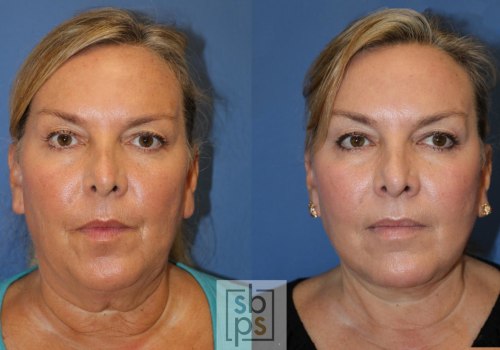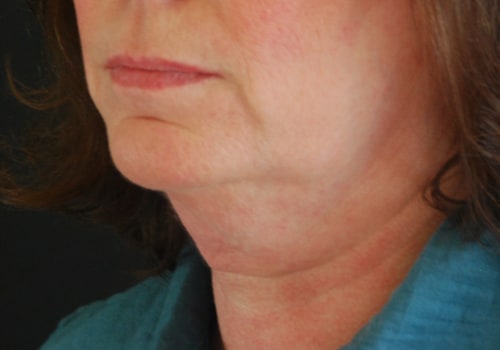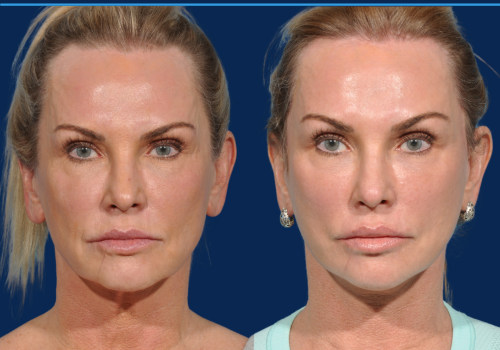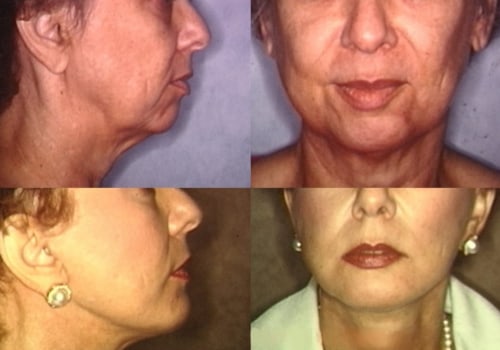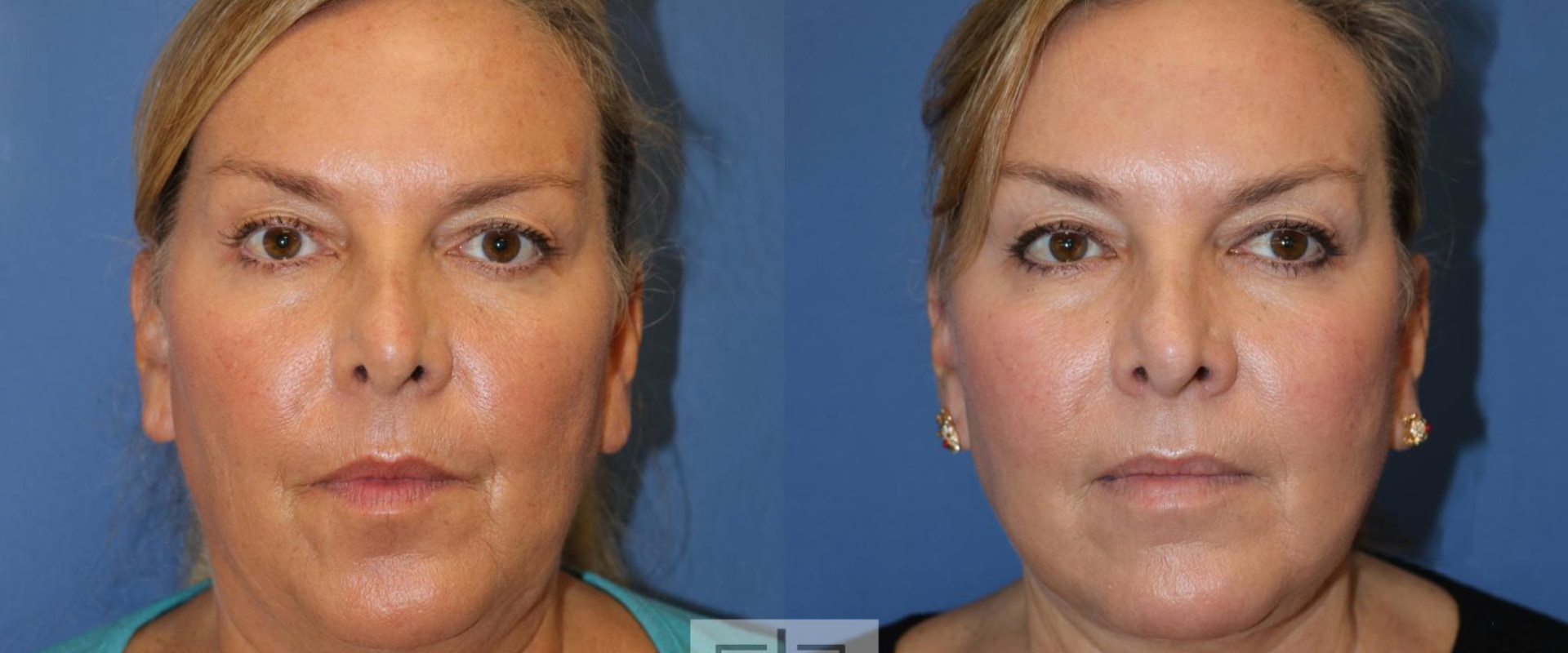
A facelift, medically known as rhytidectomy, is a popular cosmetic surgery procedure designed to enhance the appearance of the face and neck. As we age, our skin loses elasticity, leading to sagging and the formation of wrinkles. A facelift aims to counteract these effects by tightening the underlying muscles and removing excess skin, resulting in a more youthful and rejuvenated appearance. This procedure is not merely about aesthetics; it also plays a significant role in boosting self-esteem and confidence for many individuals.There are several types of facelifts available, each tailored to address specific concerns and achieve different results.
The most common types include the traditional facelift, which provides comprehensive rejuvenation by addressing sagging in the mid-face, jawline, and neck; the mini facelift, which is less invasive and focuses on minor sagging; and the deep plane facelift, which offers more extensive lifting by repositioning deeper facial structures. Understanding these options is crucial for anyone considering a facelift, as it allows for informed decisions based on individual needs and desired outcomes.In addition to the various techniques available, it is essential to consider the qualifications of the surgeon performing the procedure. A board-certified cosmetic surgeon with extensive experience in facelifts can significantly influence the results and longevity of the surgery. As with any surgical procedure, thorough research and consultations are vital to ensure that patients choose a qualified professional who can guide them through their options and help set realistic expectations.Ultimately, a facelift is more than just a surgical intervention; it represents a commitment to self-care and personal enhancement.
By understanding what a facelift entails, individuals can better appreciate its potential benefits and make informed choices about their cosmetic journey.
The Different Types of Facelifts
When considering a facelift, it is essential to understand the different types available, as each procedure offers unique benefits and can significantly influence the longevity of your results. The three primary types of facelifts are the traditional facelift, mini facelift, and deep plane facelift. Each option caters to varying degrees of facial aging and patient needs.Traditional Facelift
The traditional facelift, often referred to as a full facelift, is designed to address significant signs of aging in the face and neck. This procedure involves making incisions around the hairline and extending down around the ears.
By lifting and tightening the underlying muscles and tissues, excess skin is removed, resulting in a more youthful appearance. The longevity of results from a traditional facelift typically ranges from 10 to 15 years, depending on individual factors such as skin type, age, and lifestyle choices.
Mini Facelift
The mini facelift is a less invasive alternative that targets specific areas of the face, primarily focusing on the lower face and jawline. This procedure requires smaller incisions and is often performed under local anaesthesia. While it may not provide as dramatic results as a traditional facelift, many patients appreciate its shorter recovery time and reduced scarring.
The results from a mini facelift generally last around 5 to 10 years, making it an appealing option for those seeking subtle improvements without extensive surgery.
Deep Plane Facelift
The deep plane facelift is a more advanced technique that addresses not only the skin but also the deeper layers of facial tissue. By repositioning these layers, this method can achieve more natural-looking results that last longer than those from traditional facelifts. The deep plane approach allows for greater lifting of the midface and can significantly improve nasolabial folds and jowls. Patients can expect results to last between 10 to 15 years, similar to a traditional facelift, but with potentially more natural outcomes due to the comprehensive nature of the procedure.In conclusion, understanding the differences between these types of facelifts is crucial for making an informed decision about which procedure aligns best with your aesthetic goals.
Consulting with a qualified cosmetic surgeon will help you determine which option is most suitable for your needs and how each type may affect the longevity of your results.
Factors Influencing Facelift Longevity
When considering a facelift, it is essential to understand that the longevity of the results is influenced by a variety of factors. Each individual's unique circumstances can significantly affect how long the rejuvenating effects of the procedure will last.Age
One of the most significant factors impacting facelift longevity is the patient's age at the time of surgery. Generally, younger patients tend to experience longer-lasting results. This is primarily due to better skin elasticity and overall skin health.As we age, our skin loses collagen and elastin, which are crucial for maintaining firmness and elasticity. Therefore, while older patients can still achieve excellent results, they may not last as long as those in their 40s or 50s.
Skin Type and Condition
The condition and type of a patient’s skin also play a critical role in determining how long facelift results will endure. Individuals with thicker, more resilient skin may find that their results last longer compared to those with thinner or more delicate skin. Additionally, pre-existing skin conditions such as acne scars or sun damage can affect healing and the overall outcome of the procedure.Proper skincare before and after surgery can enhance results and prolong their longevity.
Lifestyle Choices
Your lifestyle choices significantly influence the durability of facelift results. Factors such as diet, exercise, smoking, and alcohol consumption can all impact skin health. A balanced diet rich in vitamins and antioxidants can promote healthier skin, while regular exercise improves circulation and overall well-being. Conversely, smoking and excessive alcohol intake can accelerate skin aging and diminish the effects of a facelift.Surgeon Experience
The skill and experience of the surgeon performing the facelift are paramount in achieving optimal results.A board-certified cosmetic surgeon with extensive experience in facial procedures will have a deeper understanding of anatomy and techniques that can enhance both immediate outcomes and long-term durability. Choosing a qualified surgeon who tailors the procedure to your specific needs is crucial for maximising the longevity of your facelift.In summary, while facelifts can provide significant improvements in appearance, their longevity is not solely dependent on the procedure itself but rather on a combination of age, skin type, lifestyle choices, and the expertise of the surgeon. Understanding these factors can help set realistic expectations for your facelift journey.
Average Longevity of Facelift Results
When considering a facelift, one of the most common questions patients ask is, "How long can I expect my results to last?" On average, the results of a traditional facelift can endure for approximately 10 to 15 years. However, this duration can vary significantly based on several factors.For those opting for a mini facelift , the longevity of results typically ranges around 5 to 10 years.This shorter lifespan is often due to the less invasive nature of the procedure, which targets specific areas of the face rather than providing comprehensive rejuvenation.Several key factors influence how long facelift results will last:
- Age: Younger patients generally experience longer-lasting results due to better skin elasticity. As we age, our skin loses collagen and elasticity, which can affect the durability of facelift outcomes.
- Skin Type: Individuals with thicker skin may enjoy more prolonged results compared to those with thinner skin. The inherent qualities of your skin can play a significant role in how well it responds to surgical alterations.
- Lifestyle Choices: Factors such as smoking, excessive sun exposure, and poor diet can accelerate the aging process and diminish the longevity of facelift results. Maintaining a healthy lifestyle can help preserve your youthful appearance.
- Surgical Technique: The skill and experience of the surgeon performing the facelift are crucial.
Advanced techniques may yield longer-lasting results compared to more traditional methods.
Post-Operative Care for Maximising Results
After undergoing a facelift, the importance of post-operative care cannot be overstated.Proper care during the recovery phase is crucial for maximising the results of your surgery and ensuring that your skin heals optimally. Here are some essential tips to help you maintain your facelift results:
Skincare Routine
Establishing a dedicated skincare routine is vital for preserving the youthful appearance achieved through your facelift. Consider the following steps:- Gentle Cleansing: Use a mild, non-irritating cleanser to wash your face twice daily. Avoid harsh scrubs or exfoliants that can irritate healing skin.
- Moisturisation: Keeping your skin hydrated is essential.
Opt for a rich moisturiser that contains hyaluronic acid or glycerin to lock in moisture.
- Sunscreen Application: Protecting your skin from sun exposure is critical. Apply a broad-spectrum sunscreen with at least SPF 30 every day, even on cloudy days, to prevent pigmentation and premature aging.
- Avoid Active Ingredients: In the initial weeks post-surgery, steer clear of products containing retinoids, alpha hydroxy acids (AHAs), or beta hydroxy acids (BHAs) as they can cause irritation.
Lifestyle Recommendations
Your lifestyle choices play a significant role in maintaining the results of your facelift. Here are some recommendations:- Healthy Diet: Consume a balanced diet rich in antioxidants, vitamins, and minerals. Foods high in omega-3 fatty acids, such as salmon and walnuts, can promote skin health.
- Hydration: Drink plenty of water to keep your skin hydrated from within.
Aim for at least eight glasses a day.
- Avoid Smoking and Alcohol: Both smoking and excessive alcohol consumption can accelerate skin aging and diminish the results of your facelift.
- Regular Exercise: Engage in light physical activity as recommended by your surgeon. Exercise improves circulation and promotes healing but avoid strenuous activities until cleared by your doctor.
The Role of Lifestyle Choices in Facelift Longevity
When considering the longevity of facelift results, it is essential to recognise the significant role that lifestyle choices play. While the surgical procedure itself can provide remarkable improvements in facial appearance, the effects can be greatly enhanced or diminished by how one lives post-surgery.Diet
is a crucial factor in maintaining healthy skin and overall well-being.
A balanced diet rich in vitamins, minerals, and antioxidants can promote skin elasticity and hydration, which are vital for prolonging the results of a facelift. Foods high in omega-3 fatty acids, such as salmon and walnuts, can help maintain skin suppleness, while fruits and vegetables provide essential nutrients that combat oxidative stress. Incorporating foods rich in vitamin C, like oranges and strawberries, can also support collagen production, further enhancing skin firmness.In addition to diet, hydration cannot be overlooked. Drinking adequate water daily helps keep the skin hydrated and plump, which can significantly affect how youthful your skin appears after a facelift.
Aim for at least eight glasses of water a day to support your skin's health.
Exercise
is another vital component of a healthy lifestyle that can influence facelift longevity. Regular physical activity improves circulation, delivering oxygen and nutrients to the skin while promoting the removal of toxins. This increased blood flow can enhance the healing process post-surgery and contribute to a more vibrant complexion. However, it is important to consult with your surgeon regarding when it is safe to resume exercise after your facelift.On the other hand, certain habits can have detrimental effects on your skin's health and the durability of facelift results.
Smoking is one of the most harmful lifestyle choices for anyone considering cosmetic surgery. The chemicals in cigarettes reduce blood flow to the skin, leading to premature aging and diminished healing capacity. Furthermore, smoking can exacerbate wrinkles around the mouth and eyes, counteracting the benefits of a facelift.
Alcohol consumption
also poses risks to skin health. Excessive drinking can dehydrate the skin and lead to inflammation, which may hinder recovery after surgery.
It is advisable to limit alcohol intake before and after your facelift to ensure optimal results.In conclusion, adopting a healthy lifestyle that includes a nutritious diet, regular exercise, and avoiding harmful habits like smoking and excessive alcohol consumption is essential for maximising the longevity of your facelift results. By making these positive changes, you not only enhance your surgical outcomes but also invest in your overall health and well-being.
Common Misconceptions About Facelifts
When considering a facelift, it’s essential to separate fact from fiction. Numerous misconceptions surround this cosmetic procedure, which can lead to unrealistic expectations and disappointment. Here, we will explore some of the most common myths about facelifts and clarify what they can and cannot achieve.- Myth 1: Facelifts are only for older individuals. While facelifts are often associated with older patients, younger individuals can also benefit from the procedure.
Many people in their 40s and 50s opt for facelifts to address early signs of aging, such as sagging skin and loss of facial volume.
- Myth 2: A facelift eliminates all signs of aging. A facelift can significantly improve the appearance of sagging skin and wrinkles, but it does not stop the aging process. Patients should understand that while a facelift can rejuvenate their appearance, they will continue to age naturally after the procedure.
- Myth 3: Facelifts are painful and require long recovery times. Advances in surgical techniques and anaesthesia have made facelifts less painful than in the past. Most patients experience only mild discomfort, and many return to their normal activities within a few weeks. However, full recovery may take several months.
- Myth 4: Facelifts only target the skin. A common misconception is that facelifts merely tighten the skin.
In reality, a skilled surgeon addresses underlying structures, including muscles and fat, to achieve a more natural-looking result. This comprehensive approach helps maintain facial harmony.
- Myth 5: All facelifts look unnatural. The perception that facelifts result in an unnatural appearance often stems from poorly performed procedures. When conducted by a qualified and experienced surgeon, facelifts can yield subtle yet significant improvements that enhance one’s natural beauty.
Consulting with a board-certified cosmetic surgeon will provide valuable insights tailored to individual needs and concerns.
Consultation with a Cosmetic Surgeon: What to Expect
When considering a facelift, the first step is to schedule a consultation with a qualified cosmetic surgeon. This meeting is crucial as it sets the foundation for your surgical journey. During the consultation, you will have the opportunity to discuss your goals, expectations, and any concerns you may have regarding the procedure.What to Expect During Your Consultation
- Initial Assessment: The surgeon will evaluate your facial structure, skin condition, and overall health. This assessment helps determine if you are a suitable candidate for a facelift.
- Discussion of Goals: Be prepared to articulate what you hope to achieve with the facelift.
Whether it’s reducing sagging skin, eliminating wrinkles, or restoring volume, clear communication is key.
- Review of Medical History: Your surgeon will ask about your medical history, including any previous surgeries, allergies, and medications you are currently taking. This information is vital for ensuring your safety during the procedure.
- Explanation of Techniques: The surgeon should explain the different facelift techniques available, such as traditional facelifts or mini facelifts, and recommend the one that best suits your needs.
- Risks and Recovery: A reputable surgeon will discuss potential risks associated with the procedure and what to expect during recovery. Understanding these factors will help you make an informed decision.
Questions to Ask Your Surgeon
To ensure you choose the right surgeon for your facelift, consider asking the following questions during your consultation:
- What are your qualifications and experience? Inquire about their training, board certification, and how many facelifts they have performed.
- Can I see before-and-after photos of previous patients? This will give you an idea of their work and what results you can realistically expect.
- What is the expected recovery time? Understanding the recovery process will help you plan accordingly.
- What are the costs involved? Ensure you get a detailed breakdown of all costs associated with the procedure, including anaesthesia and facility fees.
- How do you handle complications if they arise? Knowing how your surgeon manages potential complications can provide peace of mind.
Choosing the Right Surgeon
Selecting a qualified cosmetic surgeon is paramount for achieving satisfactory results. Look for a surgeon who is board-certified in plastic surgery and has extensive experience in performing facelifts.
Additionally, consider their communication style; a good surgeon should listen to your concerns and provide clear answers to your questions. Trust your instincts—if something doesn’t feel right during the consultation, it may be worth seeking a second opinion.Your consultation is not just an opportunity for the surgeon to evaluate you; it’s also a chance for you to assess whether they are the right fit for your needs. Take your time in this process to ensure that you feel confident and comfortable moving forward with your facelift journey.
Conclusion: Embracing Realistic Expectations for Facelift Longevity
In conclusion, understanding the longevity of a facelift is crucial for anyone considering this transformative procedure. While the average results of a standard facelift can last between 10 to 15 years, it is essential to recognise that individual experiences may vary significantly based on several factors.Firstly, the type of facelift performed plays a pivotal role in determining how long the results will endure.A mini facelift, for instance, typically offers a shorter duration of visible improvement compared to a more comprehensive deep plane facelift. Additionally, the age and skin condition of the patient at the time of surgery can influence outcomes; younger patients with better skin elasticity often enjoy longer-lasting results.Moreover, lifestyle choices post-surgery are equally important. Maintaining a healthy diet, staying hydrated, and avoiding harmful habits such as smoking and excessive alcohol consumption can significantly enhance the longevity of your facelift results. Regular skincare routines that include sun protection and moisturisation also contribute to preserving your youthful appearance.It is also vital to have realistic expectations regarding the aging process.
A facelift does not halt the natural progression of aging; rather, it rejuvenates your appearance at a specific point in time. As such, while you may look younger immediately after the procedure, your skin will continue to age naturally thereafter.Ultimately, choosing a qualified and experienced cosmetic surgeon is paramount. Their expertise not only affects the immediate results but also plays a significant role in how well those results stand the test of time. By selecting a board-certified surgeon who understands your unique needs and goals, you can maximise both your satisfaction and the longevity of your facelift.In summary, while facelifts can provide substantial improvements in facial aesthetics and self-confidence, it is essential to approach this decision with informed expectations.
By understanding both the potential benefits and limitations of facelift longevity, you can make a more confident choice that aligns with your personal goals.