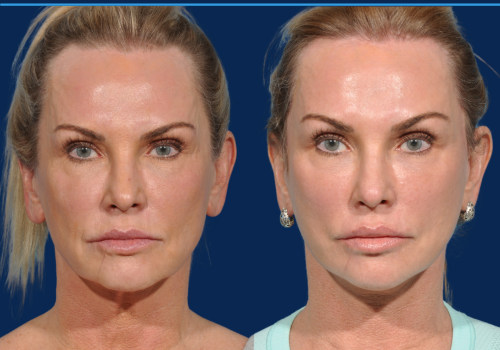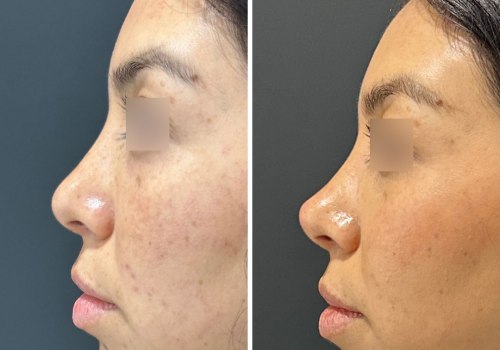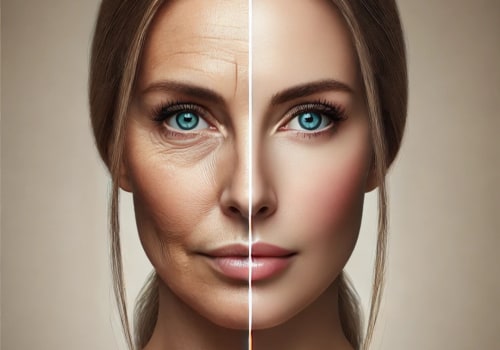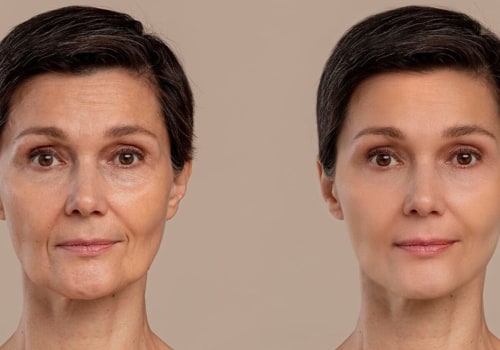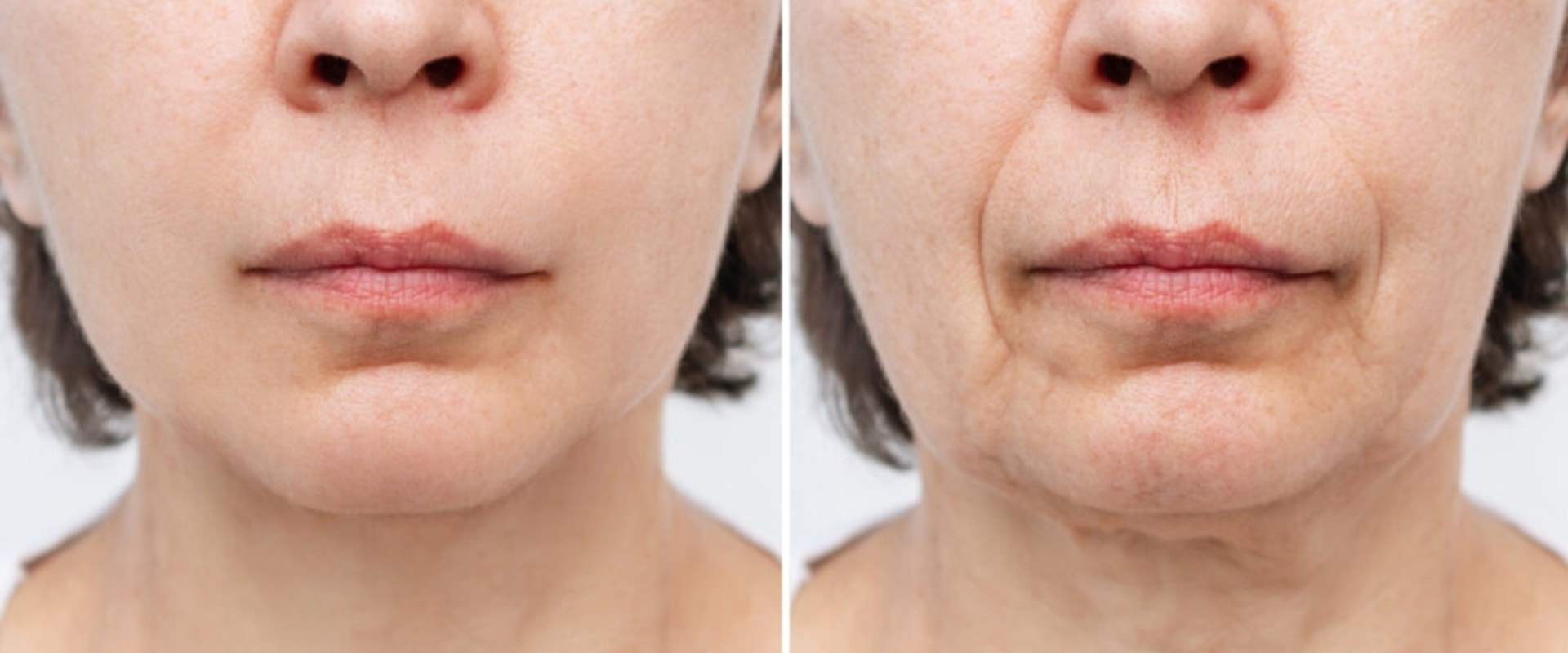
In today's society, the pursuit of youthfulness and vitality has become a significant aspect of personal care and self-image. Among the various cosmetic procedures available, the facelift stands out as one of the most sought-after options for individuals looking to rejuvenate their appearance. This surgical intervention is designed to address the visible signs of aging, such as sagging skin, deep creases, and loss of facial volume, providing a more youthful and refreshed look.The increasing popularity of facelifts can be attributed to several factors. Firstly, advancements in surgical techniques have made these procedures safer and more effective than ever before.
Patients are now able to achieve natural-looking results with minimal downtime, allowing them to return to their daily lives sooner. Additionally, the rise of social media and the emphasis on personal branding have encouraged many individuals to invest in their appearance, leading to a surge in demand for cosmetic enhancements.Moreover, the stigma surrounding cosmetic surgery has diminished significantly over the years. More people are openly discussing their experiences with facelifts and other aesthetic procedures, which has contributed to a greater acceptance of these options. As a result, individuals from various age groups are considering facelifts not just as a means to combat aging but as a way to enhance their overall confidence and self-esteem.As we delve deeper into the topic of facelifts, it is essential to understand not only the immediate benefits but also the longevity of facelift results.
While many patients experience remarkable transformations post-surgery, the duration of these results can vary based on numerous factors. In this article, we will explore what you can expect regarding the lifespan of your facelift results and how lifestyle choices may influence this outcome.
What is a Facelift?
A facelift , medically known as rhytidectomy, is a surgical procedure designed to improve visible signs of aging in the face and neck. This procedure primarily targets sagging skin, deep creases, and loss of volume, resulting in a more youthful and rejuvenated appearance. By tightening the underlying muscles and removing excess skin, a facelift can significantly enhance facial contours and restore a more vibrant look.There are several types of facelifts available, each tailored to meet the specific needs and goals of the patient:- Standard Facelift: This is the most comprehensive option, addressing sagging skin across the entire face and neck.
It involves incisions around the ears and hairline, allowing for significant lifting and tightening of facial tissues.
- Mini Facelift: A less invasive alternative to the standard facelift, this procedure focuses on the lower face. It requires smaller incisions and is ideal for individuals with mild to moderate sagging.
- Mid-Facelift: Targeting the middle section of the face, this technique lifts the cheeks and smooths nasolabial folds. It is often performed through small incisions inside the mouth or at the hairline.
- Neck Lift: While not a facelift in the traditional sense, a neck lift can be performed alongside a facelift to address sagging skin and fat deposits in the neck area.
The surgeon then makes precise incisions based on the chosen technique, lifts the underlying muscles, and removes excess skin. Finally, the incisions are closed with sutures or adhesive strips.Recovery from a facelift varies depending on the extent of the surgery but generally involves swelling and bruising that gradually subsides over a few weeks. Patients are advised to follow post-operative care instructions closely to ensure optimal healing and results.
Factors Influencing the Longevity of Facelift Results
The longevity of facelift results is influenced by a multitude of factors, each playing a significant role in how long patients can enjoy their rejuvenated appearance. Understanding these factors can help individuals set realistic expectations and make informed decisions regarding their cosmetic surgery.1.Age
Age is one of the most critical factors affecting the durability of facelift results.
As we age, our skin naturally loses elasticity and collagen, which can lead to sagging and wrinkles. Younger patients often experience longer-lasting results because their skin tends to be more resilient and elastic. In contrast, older patients may find that their skin ages more rapidly post-surgery, potentially diminishing the effects of the facelift sooner.
2.Skin Type and Condition
The inherent characteristics of an individual’s skin also play a vital role in the outcome of a facelift. Those with thicker, more elastic skin may enjoy longer-lasting results compared to individuals with thinner or more fragile skin.
Additionally, pre-existing skin conditions such as sun damage or acne scars can affect how well the skin responds to surgical lifting and tightening.
3.Surgical Technique
The specific technique employed during the facelift procedure significantly impacts the longevity of the results. For instance, a traditional facelift typically offers more dramatic and longer-lasting results than a mini facelift due to the extent of tissue manipulation involved. Surgeons may also use different methods for tightening underlying muscles and repositioning fat, which can influence how well the skin holds its new position over time.
4.Lifestyle Choices
- Sun Protection: Exposure to UV rays can accelerate skin aging, leading to premature sagging and wrinkles. Patients who diligently protect their skin from sun damage often see better long-term results.
- Smoking: Smoking has been shown to impair blood flow and reduce healing capacity, which can negatively affect the longevity of facelift results.
- Diet and Hydration: A balanced diet rich in vitamins and antioxidants supports skin health, while proper hydration helps maintain elasticity.
- Exercise: Regular physical activity promotes circulation and overall health, contributing positively to skin appearance.
5.Weight Fluctuations
Significant weight changes can alter facial contours and affect the tightness of the skin post-facelift.
Maintaining a stable weight is crucial for preserving the results of cosmetic surgery.In conclusion, while a facelift can provide remarkable improvements in facial aesthetics, its longevity is not solely dependent on the surgical procedure itself but rather a combination of age, skin type, surgical technique, lifestyle choices, and weight stability. By understanding these factors, patients can take proactive steps to enhance and prolong their facelift results.
Different Types of Facelifts and Their Expected Longevity
When considering a facelift, it is essential to understand that not all procedures are created equal. Each type of facelift offers different results and longevity, tailored to the specific needs and goals of the patient. Below, we explore the most common types of facelifts and their expected duration of results.Standard Facelift
The standard facelift, also known as a rhytidectomy, is one of the most comprehensive options available.This procedure involves lifting and tightening the underlying facial muscles and removing excess skin to create a more youthful appearance. Patients can typically expect the results of a standard facelift to last between 10 to 15 years. However, this longevity can be influenced by various factors such as age, skin type, and lifestyle choices.
Mini Facelift
A mini facelift is a less invasive alternative that focuses on specific areas of the face, primarily the lower face and neck. This procedure requires smaller incisions and generally results in a shorter recovery time.While a mini facelift can provide significant rejuvenation, its results typically last around 5 to 10 years. This option may be ideal for younger patients or those seeking subtle improvements rather than dramatic changes.
Factors Influencing Longevity
The longevity of facelift results is not solely dependent on the type of procedure performed. Several individual factors can play a crucial role:- Age: Older patients may experience more rapid skin aging post-surgery.
- Skin Type: Individuals with more elastic skin may retain their results longer.
- Lifestyle Choices: Factors such as smoking, sun exposure, and diet can significantly impact skin health and longevity of results.
- Post-Operative Care: Following your surgeon's aftercare instructions can help maintain your facelift results.
Post-Operative Care for Optimal Results
After undergoing a facelift, the journey to achieving and maintaining optimal results continues with diligent post-operative care.Proper care not only aids in recovery but also significantly influences the longevity of your facelift results. Here are some essential tips to consider:
- Follow Your Surgeon’s Instructions: Adhering to the specific guidelines provided by your surgeon is crucial. This may include instructions on how to care for your incisions, medications to take, and activities to avoid during the initial recovery period.
- Manage Swelling and Bruising: It is common to experience swelling and bruising after a facelift. Applying cold compresses gently to the affected areas can help reduce these symptoms.
Keeping your head elevated while resting can also assist in minimising swelling.
- Stay Hydrated: Drinking plenty of water is vital for healing. Hydration helps maintain skin elasticity and promotes overall recovery, which can enhance the results of your facelift.
- Avoid Strenuous Activities: For at least a few weeks post-surgery, it’s important to refrain from heavy lifting, vigorous exercise, or any activities that could strain your facial muscles. This will help prevent complications and ensure that your results are not compromised.
- Sun Protection: Protecting your skin from sun exposure is essential after a facelift. Use a broad-spectrum sunscreen with an SPF of at least 30, wear hats, and seek shade whenever possible.
Sun damage can lead to premature ageing and affect the appearance of your facelift.
- Skincare Routine: Once your surgeon gives you the green light, establish a gentle skincare routine. Use mild cleansers and moisturisers that are suitable for sensitive skin. Incorporating products with antioxidants can also help in maintaining skin health.
- Regular Follow-Ups: Attend all scheduled follow-up appointments with your surgeon. These visits are crucial for monitoring your healing process and addressing any concerns that may arise.
These can complement your facelift results by improving skin texture and tone.Ultimately, maintaining the results of your facelift requires a commitment to both post-operative care and ongoing skincare practices. By prioritising these aspects, you can enjoy a more youthful appearance for years to come.
Lifestyle Choices That Impact Facelift Longevity
After undergoing a facelift, many patients are eager to maintain their youthful appearance for as long as possible. While the surgical procedure itself can provide significant improvements, the longevity of these results is heavily influenced by various lifestyle choices. Understanding how diet, exercise, and skincare routines can impact the outcome of your facelift is crucial for achieving lasting results.Diet for Youthful Skin
A balanced diet plays a pivotal role in skin health and can significantly affect the longevity of facelift results.Consuming a variety of nutrient-rich foods helps to nourish the skin from within. Here are some dietary tips to consider:
- Hydration: Drinking plenty of water is essential for maintaining skin elasticity and hydration. Aim for at least 2 litres of water daily to keep your skin plump and radiant.
- Antioxidant-Rich Foods: Incorporate fruits and vegetables high in antioxidants, such as berries, spinach, and nuts. These foods help combat oxidative stress and promote skin repair.
- Healthy Fats: Omega-3 fatty acids found in fish, flaxseeds, and walnuts can help maintain skin moisture and reduce inflammation.
- Avoid Processed Foods: Limit intake of processed foods high in sugar and unhealthy fats, as they can accelerate skin aging and diminish the effects of your facelift.
Exercise After Facelift
Regular physical activity is another key factor in prolonging the results of a facelift.Exercise improves circulation, which enhances nutrient delivery to the skin. However, it’s important to approach post-facelift exercise with caution:
- Consult Your Surgeon: Always follow your surgeon's advice regarding when to resume physical activity. Typically, light activities can be resumed within a few weeks, while more strenuous workouts may need to wait longer.
- Avoid High-Impact Activities Initially: Activities that involve heavy lifting or intense cardio should be avoided for at least six weeks post-surgery to prevent strain on healing tissues.
- Focus on Gentle Exercises: Incorporate low-impact exercises such as walking or yoga to promote blood flow without putting undue stress on your body.
Skincare Routines
A consistent skincare routine tailored to your skin type can also enhance the longevity of your facelift results. Consider the following:- Sunscreen: Protecting your skin from UV damage is crucial.
Use a broad-spectrum sunscreen with at least SPF 30 daily, even on cloudy days.
- Moisturising: Keep your skin hydrated with quality moisturisers that contain hyaluronic acid or glycerin to maintain elasticity.
- Avoid Harsh Products: Steer clear of products with strong chemicals or exfoliants immediately after surgery; instead, opt for gentle formulations that soothe and nourish the skin.
Combining Treatments for Enhanced Results
When considering a facelift, many patients are increasingly exploring the benefits of combining this surgical procedure with other treatments to enhance their overall results and prolong the effects of rejuvenation. By integrating various techniques, individuals can achieve a more comprehensive transformation that addresses multiple aspects of facial aging.Laser Treatments: A Perfect Complement
One of the most popular options for enhancing facelift results is the use of laser treatments. These non-invasive procedures can significantly improve skin texture and tone, addressing issues such as sun damage, pigmentation, and fine lines that may not be fully resolved by a facelift alone.Laser therapy works by stimulating collagen production and promoting skin renewal, which can help maintain a youthful appearance long after the surgical procedure.Patients often opt for laser treatments either before or after their facelift. Pre-surgery laser sessions can prepare the skin, making it more resilient and improving healing post-operation. Conversely, post-facelift laser treatments can refine the results by smoothing out any residual imperfections and enhancing skin quality.
Non-Surgical Options for Continued Care
In addition to laser therapy, there are several non-surgical options that can be effectively combined with a facelift to maintain results. These include:- Injectables: Treatments such as dermal fillers and Botox can complement a facelift by adding volume to areas that may still show signs of aging, such as the cheeks or around the eyes.
These quick procedures can be performed in-office and provide immediate results.
- Skin Care Regimens: A tailored skincare routine that includes high-quality products designed to hydrate, protect, and rejuvenate the skin can significantly extend the longevity of facelift results. Ingredients like retinoids, hyaluronic acid, and antioxidants are particularly beneficial.
- Microneedling: This treatment involves using fine needles to create micro-injuries in the skin, promoting collagen production and enhancing overall skin texture. It can be an excellent follow-up treatment after a facelift to maintain smoothness and firmness.
This collaborative approach ensures that each patient receives optimal care tailored specifically for them.
Common Myths About Facelift Longevity
When considering a facelift, many potential patients are often influenced by myths and misconceptions that can cloud their understanding of the procedure and its results. Addressing these common myths is essential for anyone contemplating this transformative surgery.Myth 1: Facelifts Provide Permanent Results
One of the most prevalent misconceptions is that the results of a facelift are permanent. While a facelift can significantly rejuvenate your appearance, it does not stop the natural aging process. Over time, factors such as gravity, sun exposure, and lifestyle choices will continue to affect your skin.
Therefore, while a facelift can last anywhere from 10 to 15 years, it is important to understand that the face will continue to age after the procedure.
Myth 2: All Facelifts Are the Same
Another common myth is that all facelifts yield similar results. In reality, there are various types of facelifts, including standard facelifts, mini facelifts, and even non-surgical options. Each type has its own unique benefits and longevity. For instance, a mini facelift may provide less dramatic results but can still last around 10 years, making it suitable for those seeking subtle changes.
Myth 3: Facelifts Are Only for Older Individuals
Many people believe that facelifts are exclusively for older adults.
However, younger individuals may also benefit from this procedure, especially if they have specific concerns such as sagging skin or deep wrinkles. The ideal candidate for a facelift is someone who is in good health and has realistic expectations about the outcomes.
Myth 4: Recovery Is Extremely Long and Painful
While recovery from a facelift does require time and care, many patients are surprised at how manageable it can be. Most individuals can return to their normal activities within two weeks, although full recovery may take longer. Pain management techniques and post-operative care provided by your surgeon can significantly ease discomfort during this period.
Myth 5: Facelifts Eliminate All Signs of Aging
Lastly, some believe that a facelift will erase all signs of aging.
While it can dramatically improve sagging skin and reduce wrinkles, it does not address issues like sun damage or skin texture. For comprehensive rejuvenation, many patients opt to combine their facelift with other treatments such as laser therapy or dermal fillers.In conclusion, understanding the truth behind these myths is crucial for anyone considering a facelift. By dispelling these misconceptions, potential patients can make informed decisions about their cosmetic journey and set realistic expectations for their results.
Consultation with a Board-Certified Surgeon: What to Expect?
When considering a facelift, the first step is to schedule a consultation with a board-certified surgeonboard-certified surgeon. This meeting is crucial for understanding the procedure, assessing your suitability, and establishing a rapport with your potential surgeon.Here’s what you can expect during this important consultation.
Initial Assessment
Your surgeon will begin by reviewing your medical history and discussing your aesthetic goals. This includes an evaluation of your skin type, facial structure, and any previous surgeries or medical conditions that may affect the outcome of the facelift. Be prepared to share details about your lifestyle, including smoking habits and sun exposure, as these factors can significantly influence healing and results.
Discussion of Options
During the consultation, the surgeon will explain the different types of facelifts available, such as standard facelifts and mini facelifts. They will discuss which option may be best suited for you based on your individual needs and desired outcomes.
It’s essential to ask questions about the techniques used, recovery times, and expected results to ensure you have a clear understanding of what to expect.
Questions to Ask Your Surgeon
- What is your experience with facelift procedures?
- Can you show me before-and-after photos of previous patients?
- What are the potential risks and complications associated with this surgery?
- How long will the results last, and what factors can affect longevity?
- What is the recovery process like, and when can I return to normal activities?
- What type of anaesthesia will be used during the procedure?
Understanding Costs
The consultation is also an opportunity to discuss costs associated with the facelift. Your surgeon should provide a detailed breakdown of all expenses, including surgical fees, anaesthesia costs, and any additional treatments that may be recommended for optimal results.
Building Trust
A successful facelift relies not only on surgical skill but also on the trust between you and your surgeon. Pay attention to how comfortable you feel during the consultation. A good surgeon will listen to your concerns, answer your questions thoroughly, and make you feel at ease about the procedure.In conclusion, a consultation with a board-certified surgeon is an essential step in your facelift journey.
It allows you to gather vital information, ask pertinent questions, and ultimately make an informed decision about enhancing your appearance.
Conclusion: Making an Informed Decision About Your Facelift Journey
As you contemplate the possibility of undergoing a facelift, it is essential to synthesise the information presented throughout this article. Understanding the longevity of facelift results, the various types of procedures available, and the factors that influence outcomes will empower you to make a well-informed decision.Firstly, it is crucial to recognise that while a facelift can significantly rejuvenate your appearance, the results are not permanent. The effects typically last between 10 to 15 years for standard facelifts, while mini facelifts may offer results for around a decade. However, individual factors such as skin type, age, and lifestyle choices play a pivotal role in determining how long your results will endure.Moreover, maintaining a healthy lifestyle post-surgery is vital.Factors such as weight fluctuations, sun exposure, and dietary habits can all impact the longevity of your facelift results. Engaging in regular exercise, consuming a balanced diet rich in antioxidants, and protecting your skin from sun damage can help prolong the youthful appearance achieved through surgery.Additionally, it is important to consider your personal motivations for seeking a facelift. Whether you desire a dramatic transformation or subtle enhancements, understanding your goals will guide you in selecting the right procedure and surgeon. Consulting with a board-certified surgeon who specialises in facial aesthetics can provide invaluable insights tailored to your unique needs.In conclusion, embarking on a facelift journey requires careful consideration and planning.
By weighing the benefits against potential risks and understanding what to expect from the procedure, you can approach this transformative experience with confidence. Remember that every individual’s journey is unique; therefore, taking the time to research and consult with professionals will ensure that you make an informed decision that aligns with your aesthetic aspirations.