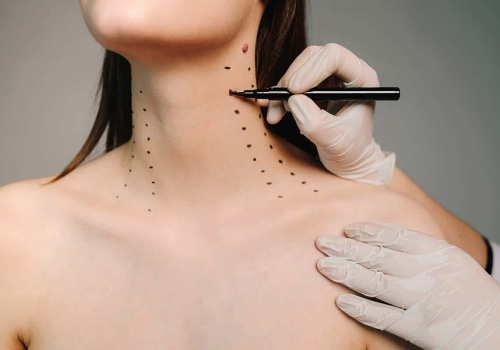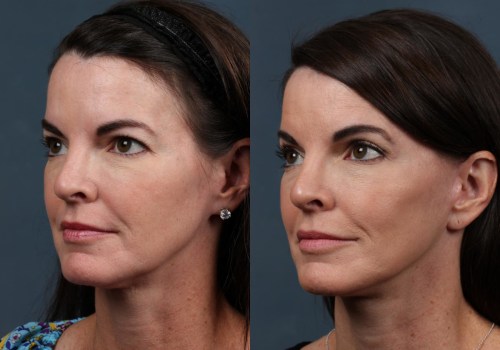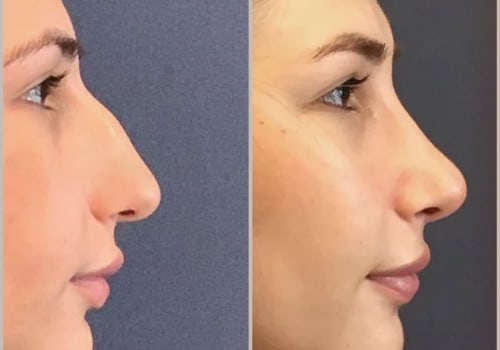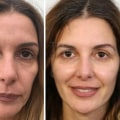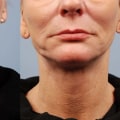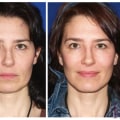
A facelift, medically known as rhytidectomy, is a surgical procedure designed to create a more youthful appearance by addressing the visible signs of aging in the face and neck. As we age, our skin loses elasticity and volume, leading to sagging skin, deep creases, and a tired appearance. A facelift aims to reverse these effects by tightening the underlying muscles and removing excess skin, resulting in a smoother and more contoured facial profile.There are several types of facelifts available, each tailored to meet the unique needs of individuals. The traditional facelift involves making incisions around the ears and hairline to lift and reposition the skin.
This method is particularly effective for those with significant sagging. On the other hand, less invasive options such as mini facelifts or thread lifts offer quicker recovery times and are suitable for individuals with mild to moderate signs of aging. These techniques focus on specific areas of concern, allowing for targeted rejuvenation without the extensive downtime associated with more comprehensive procedures.Understanding the purpose of a facelift is crucial for anyone considering this transformative surgery. Beyond merely enhancing appearance, facelifts can significantly boost self-esteem and confidence.
Many individuals report feeling revitalised and more in tune with their inner youth after undergoing the procedure. However, it is essential to have realistic expectations about the outcomes. While a facelift can provide remarkable results, it does not halt the aging process; rather, it offers a refreshed look that can last for several years with proper care.
Common Myths About Facelifts
When considering a facelift, it is essential to separate fact from fiction. Numerous myths surround this popular cosmetic procedure, which can lead to misunderstandings and unrealistic expectations.Here, we will explore some of the most common misconceptions about facelifts.
Myth 1: Facelifts Provide Permanent Results
One of the most prevalent myths is that a facelift offers permanent results. While it is true that a facelift can significantly rejuvenate your appearance, it does not halt the natural aging process. Over time, factors such as gravity, sun exposure, and lifestyle choices will continue to affect your skin's elasticity and overall appearance. Therefore, while a facelift can provide long-lasting improvements, it is not a one-time solution for aging.
Myth 2: Facelifts Are Only for Older Individuals
Another common misconception is that facelifts are exclusively for older adults.
In reality, individuals in their 30s and 40s may also benefit from this procedure, especially if they are experiencing early signs of aging or have specific concerns about their facial contours. A facelift can be tailored to suit various age groups and skin types, making it a versatile option for many.
Myth 3: Facelifts Leave Noticeable Scars
Many potential patients worry about scarring after a facelift. However, skilled plastic surgeons employ techniques that minimise visible scarring. Incisions are typically made in natural creases or behind the ears, allowing scars to fade over time and become less noticeable.
With proper care and attention to post-operative instructions, the appearance of scars can be further reduced.
Myth 4: Facelifts Are Only About Tightening Skin
While tightening the skin is a significant aspect of a facelift, the procedure also involves repositioning underlying muscles and tissues to achieve a more youthful contour. This comprehensive approach ensures that results look natural rather than simply stretched or pulled tight.
Myth 5: Recovery from a Facelift Is Extremely Painful
Many people fear that recovery from a facelift will be excruciatingly painful. In reality, most patients report manageable discomfort following the procedure. Modern techniques and anaesthesia options have improved the recovery experience significantly.
Patients are typically prescribed pain relief medication to help ease any discomfort during the initial healing phase.By debunking these myths, potential patients can make informed decisions about whether a facelift is right for them. Understanding the realities of this procedure helps set realistic expectations and encourages individuals to consult with qualified professionals who can provide personalised advice based on their unique needs.
The Facts Behind Facelift Procedures
Understanding the intricacies of facelift procedures is essential for anyone considering this transformative surgery. Facelifts are designed to rejuvenate the face by addressing sagging skin, deep creases, and loss of volume, ultimately restoring a more youthful appearance. However, the methods employed can vary significantly, and it is crucial to grasp how these techniques work.How Facelifts Work
A facelift typically involves several key steps:
- Consultation: The journey begins with a thorough consultation with a board-certified plastic surgeon. The journey begins with a thorough consultation with a board-certified plastic surgeon.
During this meeting, the surgeon will assess your facial structure, discuss your aesthetic goals, and determine the most suitable technique for your needs.
- Anesthesia: On the day of the procedure, patients are usually given either general anesthesia or intravenous sedation to ensure comfort throughout the surgery.
- Incision: The surgeon will make incisions in discreet locations, often around the ears and hairline, to minimise visible scarring. The specific incision pattern may vary based on the technique used.
- Tightening and Lifting: Once the incisions are made, the surgeon will lift and tighten the underlying muscles and tissues. This step is crucial for achieving a natural-looking result that does not appear overly stretched.
- Skin Redraping: After the underlying structures have been adjusted, excess skin is removed, and the remaining skin is redraped over the newly positioned contours of the face.
- Closure: Finally, the incisions are closed with sutures or staples, and a dressing may be applied to protect the area during initial healing.
Facelift Techniques
There are several techniques employed in facelift surgery, each tailored to address specific concerns:
- Traditional Facelift: This method involves extensive lifting of facial tissues and is ideal for individuals with significant sagging. It provides long-lasting results but requires a longer recovery period.
- Mini Facelift: A less invasive option that targets specific areas of concern, such as jowls or nasolabial folds.
It typically involves shorter incisions and a quicker recovery time.
- Thread Lift: This technique uses temporary sutures to lift the skin without removing any excess tissue. While results are less dramatic than traditional facelifts, it offers a non-surgical option for those seeking subtle improvements.
- S-Mini Facelift: A hybrid approach that combines elements of both traditional and mini facelifts. It provides more significant lifting than a mini facelift while being less invasive than a full facelift.
Factors Influencing Facelift Results
When considering a facelift, it is essential to understand the various factors that can significantly influence the results and their longevity.Each individual’s experience with facelift surgery can differ widely based on several key elements.
Age and Its Impact
One of the most significant factors affecting facelift results is the patient’s age. As we age, our skin naturally loses elasticity and volume, which can impact how well a facelift holds up over time. Younger patients often have more resilient skin, which may respond better to surgical techniques, leading to longer-lasting results. Conversely, older patients may experience a more pronounced decline in skin quality, which can affect the overall outcome.One of the most significant factors affecting facelift results is the patient’s age. As we age, our skin naturally loses elasticity and volume, which can impact how well a facelift holds up over time. Younger patients often have more resilient skin, which may respond better to surgical techniques, leading to longer-lasting results. Conversely, older patients may experience a more pronounced decline in skin quality, which can affect the overall outcome.Skin Quality
The quality of your skin plays a crucial role in determining the success of a facelift.Factors such as sun damage , smoking , and overall skin health can greatly influence how well your skin retains its shape post-surgery. Healthy skin with good elasticity is more likely to maintain its appearance after a facelift. Patients with significant sun damage or those who smoke may find that their results do not last as long due to compromised skin structure.
Lifestyle Choices
Your lifestyle choices can also have a profound effect on the longevity of facelift results. Engaging in healthy habits such as:- Regular exercise
- A balanced diet
- Avoiding smoking
- Limiting sun exposure
On the other hand, poor lifestyle choices can accelerate the aging process and diminish the results of your facelift.
Surgical Techniques
The specific surgical techniques employed during the facelift procedure are also critical in determining outcomes. Traditional facelifts that involve comprehensive lifting and tightening of underlying muscles tend to yield longer-lasting results compared to less invasive options like thread lifts or mini facelifts. The choice of technique should be tailored to each individual’s needs and desired outcomes, which is why consulting with a qualified plastic surgeon is vital.In summary, understanding these factors—age, skin quality, lifestyle choices, and surgical techniques—can help set realistic expectations for facelift results. By addressing these elements proactively, patients can enhance their chances of achieving satisfying and enduring outcomes from their facelift surgery.Lifestyle Choices and Their Impact on Facelift Outcomes
When considering a facelift, it is essential to recognise that the results of this transformative procedure can be significantly influenced by your lifestyle choices.Factors such as smoking, diet, and sun exposure play a crucial role in determining not only the immediate outcomes of the surgery but also the longevity of those results.
The Impact of Smoking
Smoking is one of the most detrimental habits when it comes to skin health and surgical recovery. The chemicals in cigarettes can impair blood circulation, which is vital for healing after a facelift. Poor circulation can lead to complications such as delayed healing, increased scarring, and even necrosis of the skin in severe cases. Furthermore, smoking accelerates the aging process of the skin by reducing collagen production and elasticity, which can negate the benefits of a facelift.Diet and Skin Health
A well-balanced diet rich in vitamins and minerals is fundamental for maintaining healthy skin.Nutrients such as vitamin C , vitamin E , and omega-3 fatty acids are particularly beneficial for skin repair and rejuvenation. Foods that are high in antioxidants can help combat oxidative stress, which contributes to premature aging. Incorporating plenty of fruits, vegetables, lean proteins, and healthy fats into your diet can enhance your skin's appearance and support recovery post-surgery.
Sun Exposure
Excessive sun exposure can lead to skin damage, including wrinkles, pigmentation, and loss of elasticity. After a facelift, protecting your skin from UV rays is crucial to ensure optimal healing and to prolong the results of your surgery.Using a broad-spectrum sunscreen with an SPF of at least 30 daily is recommended. Additionally, wearing protective clothing and seeking shade during peak sun hours can further safeguard your skin.In conclusion, adopting a healthy lifestyle is not just beneficial for overall well-being; it is also vital for maximising the results of your facelift. By avoiding smoking, maintaining a nutritious diet, and protecting your skin from sun damage, you can significantly enhance both the outcome and longevity of your facelift results.
Combining Procedures for Enhanced Results
When considering a facelift, many individuals find that combining this procedure with other cosmetic treatments can significantly enhance their overall results. This approach not only addresses multiple areas of concern but also contributes to a more harmonious and youthful appearance.Below, we explore some popular combinations and their benefits.
Neck Lift and Facelift
One of the most common combinations is pairing a neck lift with a facelift. As we age, the neck often shows signs of sagging skin and excess fat, which can detract from the rejuvenated look achieved through a facelift alone. By addressing both the face and neck simultaneously, patients can enjoy:- Improved Contours: A neck lift tightens the skin and underlying muscles in the neck area, creating a smoother transition from the jawline to the neck.
- Balanced Aesthetic: Combining these procedures ensures that both the face and neck are rejuvenated, preventing any mismatched appearances that can occur when only one area is treated.
- Reduced Recovery Time: Undergoing both procedures at once can streamline recovery, allowing patients to heal from both surgeries simultaneously.
Facelift with Fat Transfer
Another effective combination is a facelift with fat transfer. This technique involves harvesting fat from other areas of the body and injecting it into the face to restore lost volume.The benefits include:
- Natural Results: Using your own fat provides a natural look and feel, enhancing facial contours without the use of synthetic fillers.
- Long-Lasting Volume: Fat transfer can provide lasting results, as the injected fat cells can integrate into the surrounding tissue.
- Comprehensive Rejuvenation: This combination addresses sagging skin while also replenishing volume in areas such as the cheeks and under-eye regions.
Combining with Non-Surgical Treatments
In addition to surgical options, many patients opt to combine facelifts with non-surgical treatments like BOTOX or dermal fillers. These treatments can complement surgical results by:- Smoothing Fine Lines: BOTOX effectively reduces dynamic wrinkles around the forehead and eyes, enhancing the overall youthful appearance post-facelift.
- Addition of Volume: Dermal fillers can be used to plump areas that may still appear hollow after surgery, such as the lips or nasolabial folds.
- Customised Treatment Plans: Combining these treatments allows for a tailored approach that addresses individual concerns more comprehensively.
Maximising Your Facelift Results: Tips and Recommendations
After undergoing a facelift, the journey to achieving and maintaining optimal results continues well beyond the operating table. Proper post-operative care and a dedicated skincare routine are essential for maximising the benefits of your facelift.Here are some practical tips and recommendations to help you maintain your youthful appearance:
1.Follow Your Surgeon’s Instructions
Your plastic surgeon will provide specific post-operative care instructions tailored to your individual needs. Adhering to these guidelines is crucial for a smooth recovery and optimal results. This may include advice on medication, activity restrictions, and follow-up appointments.2.Manage Swelling and Bruising
Swelling and bruising are common after a facelift. To minimise these effects:- Apply Cold Compresses: Use cold packs on the treated areas for the first 48 hours to reduce swelling.
- Keep Your Head Elevated: Sleep with your head elevated on pillows to help decrease swelling.
- Avoid Strenuous Activities: Refrain from heavy lifting or vigorous exercise for at least two weeks post-surgery.
3.Maintain a Healthy Diet
A balanced diet rich in vitamins and minerals can significantly impact your skin's healing process.Focus on:
- Hydration: Drink plenty of water to keep your skin hydrated.
- Nutrient-Rich Foods: Incorporate fruits, vegetables, lean proteins, and healthy fats into your meals.
- Avoid Processed Foods: Limit sugar and salt intake, as they can contribute to inflammation.
4.Establish a Gentle Skincare Routine
Once your surgeon gives you the green light, it’s important to establish a skincare routine that supports healing:- Cleansing: Use a gentle cleanser to avoid irritating your skin.
- Moisturising: Apply a hydrating moisturiser to keep your skin supple.
- Sunscreen: Protect your skin from UV damage by using a broad-spectrum sunscreen with at least SPF 30 daily.
5.Consider Professional Treatments
To further enhance and prolong your facelift results, consider professional skincare treatments such as:- Chemical Peels: These can improve skin texture and tone.
- Microneedling: This treatment stimulates collagen production for firmer skin.
- Laser Therapy: Helps in reducing pigmentation and improving overall skin quality.
Consultation with a Plastic Surgeon: What to Expect
When considering a facelift, the first step is to schedule a consultation with a qualified plastic surgeon. This meeting is crucial as it sets the foundation for your surgical journey.During the consultation, you will have the opportunity to discuss your goals, ask questions, and gain a clearer understanding of what to expect from the procedure.
Understanding the Consultation Process
The consultation typically lasts between 30 minutes to an hour. Here’s what you can expect:
- Medical History Review: The surgeon will ask about your medical history, including any previous surgeries, current medications, and any health conditions that may affect the surgery.
- Discussion of Goals: You will discuss your aesthetic goals and what you hope to achieve with a facelift. Be honest about your expectations, as this will help the surgeon provide tailored advice.
- Physical Examination: The surgeon will examine your face and neck, assessing skin quality, elasticity, and bone structure to determine the most suitable surgical approach.
- Explanation of Techniques: The surgeon will explain different facelift techniques available, such as traditional facelifts or minimally invasive options, and recommend the best one for your needs.
- Risks and Recovery: You will be informed about potential risks associated with the procedure and what to expect during recovery.
Questions to Ask Your Plastic Surgeon
Preparing for Your Facelift Consultation
Preparation can enhance the effectiveness of your consultation. Here are some tips:
- Research: Familiarise yourself with facelift procedures and terminology.
This knowledge will help you engage in meaningful discussions with your surgeon.
- List Your Questions: Write down any questions or concerns you have prior to the appointment to ensure you cover all important topics.
- Bring Medical Records: If applicable, bring any relevant medical records or information about medications you are taking.
- Consider Your Goals: Reflect on what you want to achieve from the surgery. Having clear goals can help guide the conversation.
Conclusion: The Realities of Facelifts Unveiled
As we draw this discussion to a close, it is essential to reflect on the multifaceted nature of facelift procedures. The journey towards understanding facelifts is not merely about the desire for a youthful appearance; it encompasses a range of considerations that can significantly influence the outcomes and satisfaction levels of individuals contemplating this surgery.Throughout this article, we have explored various myths surrounding facelifts, such as the misconception that they offer permanent results.It is crucial to acknowledge that while a facelift can indeed rejuvenate one’s appearance, it cannot halt the natural aging process. As time progresses, factors such as skin elasticity and environmental influences will continue to play a role in how one’s face ages post-surgery.Moreover, we discussed the importance of skin quality and lifestyle choices in determining the longevity of facelift results. Individuals with healthy skin and those who maintain a balanced lifestyle are likely to enjoy more enduring effects from their procedures. This highlights the need for prospective patients to engage in pre-operative consultations with qualified plastic surgeons, who can provide tailored advice based on individual circumstances.Additionally, we examined how surgical techniques can vary in their effectiveness and longevity.
Traditional facelifts may yield longer-lasting results compared to less invasive options, but each technique has its place depending on the patient’s needs and goals. Understanding these differences is vital for making informed decisions.In conclusion, embarking on a facelift journey requires careful consideration of both the potential benefits and limitations. By debunking prevalent myths and embracing factual information, individuals can approach cosmetic surgery with realistic expectations. Ultimately, a well-informed decision will lead to greater satisfaction and confidence in one’s appearance.As you contemplate your options, remember that consulting with a board-certified plastic surgeon is an invaluable step towards achieving your aesthetic goals safely and effectively.