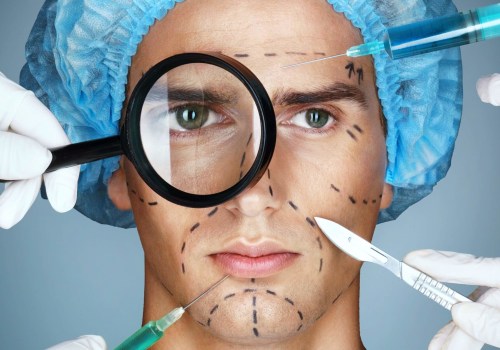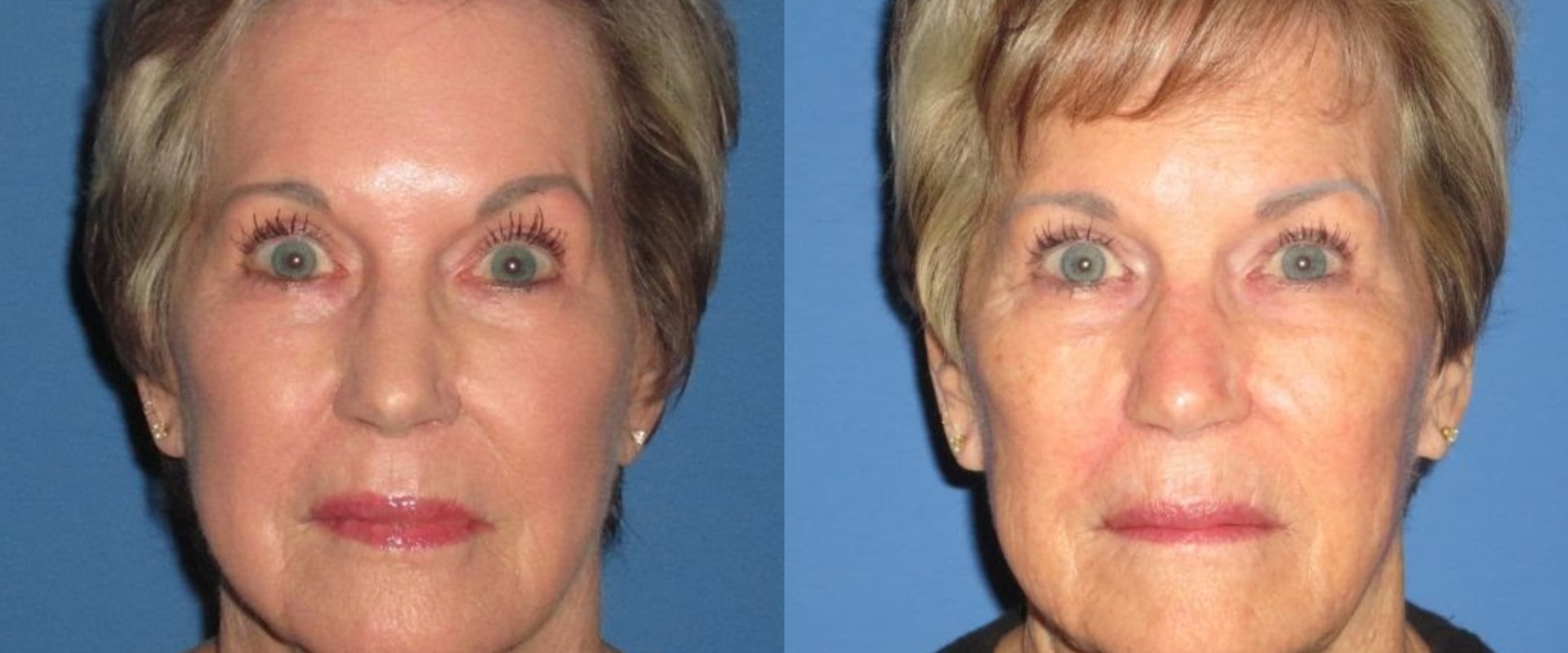
A face lift, medically known as rhytidectomy, is a surgical procedure designed to enhance the appearance of the face by addressing signs of aging. As we age, our skin loses elasticity, leading to sagging and the formation of wrinkles. A face lift aims to reverse these effects, providing a more youthful and rejuvenated look. The procedure typically involves the removal of excess skin and tightening of underlying tissues, which can significantly improve facial contours and reduce the visibility of age-related changes.Understanding how a face lift works is essential for anyone considering this procedure.
The surgery generally begins with the administration of anaesthesia, ensuring that the patient remains comfortable throughout the operation. The surgeon then makes incisions, usually hidden within the hairline or natural creases of the skin, to minimise visible scarring. Once the incisions are made, excess skin is removed, and the underlying muscles and tissues are tightened. This meticulous approach not only enhances facial structure but also promotes a more natural appearance post-surgery.Expected outcomes from a face lift can vary based on individual factors such as age, skin type, and overall health.
Most patients experience a significant reduction in sagging skin and wrinkles, resulting in a smoother and firmer facial profile. However, it is important to have realistic expectations; while a face lift can provide dramatic improvements, it does not stop the aging process. Therefore, many individuals choose to combine this procedure with other treatments like dermal fillers or Botox for optimal results.The recovery process following a face lift is crucial for achieving the best possible outcome. Patients typically experience swelling and bruising in the initial days post-surgery, which gradually subsides over time.
It is essential to follow post-operative care instructions provided by the surgeon to ensure proper healing and minimise complications. Most individuals can return to their normal activities within two weeks, although full recovery may take several months as swelling continues to diminish and final results become apparent.
Age Considerations for Face Lifts
When considering a face lift, age plays a significant role in determining not only the suitability of the procedure but also the expected outcomes. While many individuals associate cosmetic surgery with younger patients, it is essential to understand that age alone should not be a deterrent for those contemplating a face lift, even at the age of 70.Typically, candidates for a face lift range from their mid-30s to late 60s, with the most common age group being between 45 and 55. This is largely due to the natural aging process, which affects skin elasticity and facial structure. As we age, our skin loses collagen and elastin, leading to sagging and wrinkles.However, this does not mean that individuals in their 70s cannot benefit from the procedure.In fact, many patients in their 70s report high satisfaction rates following a face lift. The key factors influencing the decision to undergo surgery at this age include:
- Overall Health: A thorough medical evaluation is crucial. Patients should be in good health, free from serious medical conditions that could complicate surgery or recovery.
- Skin Condition: The quality of the skin is paramount. Older skin may require more extensive procedures to achieve desired results, but if it is well-cared for, it can still respond positively to surgical intervention.
- Realistic Expectations: Understanding what a face lift can achieve is vital.
While it can significantly rejuvenate one’s appearance, it is essential to have realistic expectations about the results.
Health Factors Influencing Face Lift Eligibility
When considering a face lift, particularly for individuals aged 70 and above, it is essential to evaluate various health factors that can significantly influence both the safety and effectiveness of the procedure.While age alone is not a definitive barrier to surgery, underlying medical conditions can pose risks that need careful consideration.One of the most common health issues that can affect surgical outcomes is diabetes. This condition can impair healing and increase the risk of infection post-surgery. Patients with diabetes must ensure their blood sugar levels are well-controlled before undergoing any surgical procedure. Surgeons often require a thorough medical evaluation to assess the patient's overall health and readiness for surgery.
Hypertension
, or high blood pressure, is another critical factor.
Elevated blood pressure can lead to complications during and after surgery, including increased bleeding and cardiovascular issues. It is advisable for patients with hypertension to work closely with their healthcare providers to manage their condition effectively prior to undergoing a face lift.Additionally, individuals with asthma or other respiratory conditions should also be cautious. Anesthesia can pose risks for those with compromised lung function, making it vital for patients to disclose their full medical history to their surgeon. Proper pre-operative assessments can help mitigate these risks.Beyond these specific conditions, general health status plays a crucial role in determining eligibility for a face lift.
Factors such as age-related changes in skin elasticity, muscle tone, and overall physical fitness can influence both the procedure's outcome and recovery time. A comprehensive evaluation by a qualified plastic surgeon will typically include:
- A detailed medical history review
- A physical examination focusing on skin quality and elasticity
- An assessment of any chronic conditions
- A discussion about medications that may affect surgery
Psychological Benefits of Face Lifts at an Older Age
Undergoing a face lift later in life can yield significant psychological benefits, enhancing not only one’s appearance but also their emotional well-being. As individuals age, they often experience changes in their physical appearance that can lead to feelings of self-doubt and diminished self-esteem.A face lift can serve as a transformative procedure that helps restore a sense of youthfulness and vitality, which can be incredibly empowering.One of the primary psychological benefits of a face lift is the boost in self-esteem. Many older adults report feeling more confident and attractive after undergoing cosmetic surgery. This newfound confidence can permeate various aspects of life, from personal relationships to professional interactions. When individuals feel good about their appearance, they are more likely to engage socially and pursue new opportunities, which can lead to a more fulfilling life.Moreover, the emotional impact of surgery should not be underestimated.
The process of preparing for a face lift often involves careful consideration and planning, which can help individuals reflect on their desires and motivations. This introspection can lead to a greater understanding of oneself and what truly matters in life. For many, the decision to undergo surgery is not just about aesthetics; it is about reclaiming a sense of control over their own narrative.Additionally, the act of investing in oneself through cosmetic procedures can foster a positive mindset. Many patients find that taking steps to improve their appearance encourages them to adopt healthier lifestyle choices, such as better nutrition and regular exercise.
This holistic approach to well-being can further enhance mental health and overall happiness.It is also important to consider the social implications of undergoing a face lift at an older age. Society often places significant value on youthfulness, and older adults may feel pressured to conform to these ideals. By choosing to have a face lift, individuals may feel more aligned with societal standards, which can alleviate feelings of isolation or invisibility that sometimes accompany aging.In conclusion, the psychological benefits of a face lift for older adults extend far beyond mere aesthetics. From improved self-esteem and emotional well-being to fostering healthier lifestyle choices, the impact of this procedure can be profound.
As individuals embrace this opportunity for transformation, they often find themselves not only looking younger but also feeling rejuvenated from within.
Choosing the Right Surgeon for Older Patients
When considering a face lift, particularly for older patients, selecting the right surgeon is paramount. The experience and expertise of the surgeon can significantly influence the outcome of the procedure, especially for individuals over 70 who may have unique health considerations.Here are some essential factors to consider when choosing a plastic surgeon:- Board Certification: Ensure that the surgeon is board-certified in plastic surgery. This certification indicates that they have undergone rigorous training and adhere to high standards of practice.
- Experience with Older Patients: Look for a surgeon who has specific experience working with older patients. They should understand the nuances of aging skin and how to achieve natural-looking results while considering any underlying health issues.
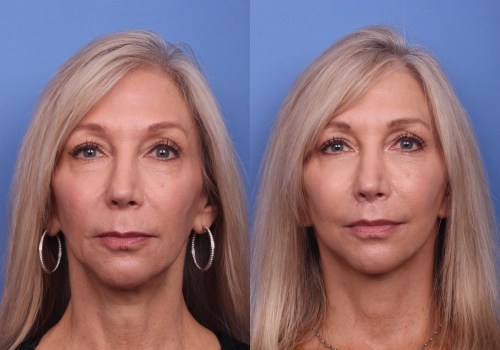
- Before and After Photos: Request to see before and after photos of previous patients, particularly those in your age group.
This will give you an idea of their aesthetic style and the results you can expect.
- Hospital Privileges: Verify that the surgeon has privileges at a reputable hospital. This is crucial in case any complications arise during or after the procedure.
- What is your experience with face lifts in older patients? Understanding their specific experience can help you feel more confident in their abilities.
- What techniques do you recommend for someone my age? Different techniques may be more suitable depending on your skin condition and overall health.
- What are the potential risks associated with this procedure for someone my age? A qualified surgeon should be able to discuss potential risks candidly.
- What is your post-operative care plan? Knowing how they handle recovery can provide peace of mind.
Realistic Expectations: What to Anticipate from a Face Lift
When considering a face lift, it is essential to have realistic expectations about the outcomes of the procedure. While many individuals seek this surgery to rejuvenate their appearance, understanding what can be achieved and the factors that influence results is crucial for satisfaction.Understanding the Results of a Face Lift
A face lift primarily aims to reduce sagging skin, smooth out wrinkles, and restore a more youthful contour to the face. However, it is important to note that while a face lift can significantly enhance your appearance, it does not stop the aging process.
Patients should expect a natural-looking improvement rather than a complete transformation. The results can vary based on individual factors such as skin type, age, and overall health.
Post-Surgery Outcomes
After undergoing a face lift, patients typically experience swelling and bruising, which can last for several weeks. Most individuals return to their normal activities within two to three weeks; however, full recovery may take several months. During this time, it is vital to follow your surgeon's post-operative care instructions closely to ensure optimal healing and results.
Factors Influencing Results
- Age: Older patients may have less elastic skin, which can affect the final outcome.
- Health Status: Pre-existing medical conditions can impact recovery and results.
- Surgical Technique: The skill and experience of the surgeon play a significant role in achieving desired results.
- Skin Quality: The condition of your skin prior to surgery will influence how well it responds to the procedure.
A thorough consultation will allow you to understand what is achievable based on your unique circumstances. Remember that while a face lift can provide significant improvements, embracing the natural aging process with grace is equally important.
Alternatives to Face Lifts for Older Adults
As individuals age, the desire to maintain a youthful appearance often leads to considerations of cosmetic procedures. While a face lift is a popular option, many older adults may seek alternatives that are less invasive and carry fewer risks. Fortunately, there are several non-surgical options available that can effectively rejuvenate the skin and enhance facial contours without the need for extensive surgery.1.Dermal Fillers
Dermal fillers are injectable substances that can restore volume to areas of the face that have lost elasticity and fullness due to aging.
Commonly used fillers include hyaluronic acid, which is naturally found in the body, making it a safe choice for most patients. These fillers can:
- Plump up lips
- Smooth out wrinkles and fine lines
- Add volume to cheeks
- Enhance facial contours
2.Botox
Botox is another popular non-surgical treatment that works by temporarily paralyzing the muscles responsible for creating dynamic wrinkles, such as frown lines and crow's feet. This treatment is quick, often referred to as a "lunchtime procedure," and requires no downtime. The effects typically last three to six months, after which repeat treatments are necessary to maintain results.
3.Skin Tightening Treatments
For those looking to improve skin laxity without surgery, various skin tightening treatments are available.
These procedures use technologies such as:
- Ultrasound: This method stimulates collagen production deep within the skin.
- Radiofrequency: This technique heats the skin's deeper layers to promote tightening.
- Laser therapy: Lasers can improve skin texture and firmness while also addressing pigmentation issues.
4.Chemical Peels and Microdermabrasion
Chemical peels involve applying a solution to exfoliate the outer layers of skin, revealing fresher, younger-looking skin underneath. Microdermabrasion is a less intensive option that uses tiny crystals to gently buff away dead skin cells. Both treatments can enhance skin tone and texture, making them excellent choices for older adults seeking a refreshed look.In conclusion, while a face lift may be an effective solution for some, many older adults can achieve significant improvements in their appearance through these non-surgical alternatives. Consulting with a qualified cosmetic professional can help determine the best approach tailored to individual needs and health considerations.
Frequently Asked Questions about Face Lifts at 70 and Beyond
As individuals approach their 70s, the decision to undergo a face lift often comes with a myriad of questions and concerns.This section aims to address some of the most frequently asked questions regarding face lifts for those in this age group, providing clarity and reassurance.
Is it safe to have a face lift at 70?
Yes, many individuals in their 70s can safely undergo a face lift, provided they are in good health. Factors such as overall physical condition, medical history, and the presence of chronic conditions like diabetes or hypertension play a significant role in determining safety. Consulting with a qualified plastic surgeon who can assess your health and tailor the procedure to your needs is essential.What are the risks associated with face lifts in older adults?
While the risks associated with face lift surgery do increase with age, they are manageable. Common risks include:- Infection: As with any surgical procedure, there is a risk of infection.
- Scarring: Although surgeons aim to minimize visible scars, some scarring is inevitable.
- Anesthesia complications: Older patients may have a higher risk of complications related to anesthesia.
- Delayed healing: Recovery may take longer for older adults due to decreased skin elasticity and slower healing processes.
How long does recovery take after a face lift?
The recovery period can vary significantly from person to person.Generally, most patients can expect to return to normal activities within two to three weeks. However, complete healing may take several months. It’s crucial to follow your surgeon's post-operative care instructions closely to ensure optimal recovery.
Will a face lift make me look unnatural?
A well-performed face lift should enhance your natural features rather than create an unnatural appearance. The goal of modern techniques is to achieve subtle, natural-looking results that rejuvenate your appearance while maintaining your unique characteristics.Discussing your aesthetic goals with your surgeon will help ensure that you achieve the desired outcome.
What should I consider before deciding on a face lift?
Before proceeding with a face lift, consider the following:- Your health status: Ensure you are in good health and discuss any medical conditions with your surgeon.
- Your expectations: Have realistic expectations about the results and understand what the procedure can achieve.
- The surgeon's experience: Choose a board-certified plastic surgeon with extensive experience in performing face lifts on older patients.
- The cost: Understand the financial implications, including potential additional costs for post-operative care.
Conclusion: Making an Informed Decision about Face Lifts at 70
In conclusion, the decision to undergo a face lift at the age of 70 is a multifaceted one that requires careful consideration of various factors. While age alone should not be a deterrent, it is essential to evaluate both physical health and emotional well-being before proceeding with such a significant surgical intervention.Firstly, it is crucial to acknowledge that many individuals in their seventies are in excellent health and possess the vitality to recover from surgery effectively. However, underlying health conditions such as diabetes, hypertension, or respiratory issues can complicate the surgical process and recovery. Therefore, a thorough medical evaluation by a qualified healthcare professional is paramount.This assessment will help determine if you are a suitable candidate for a face lift and what precautions may need to be taken.Moreover, the psychological aspect of undergoing cosmetic surgery cannot be overlooked. Many older adults seek a face lift not just for aesthetic reasons but also to enhance their self-esteem and overall quality of life. The desire to look as youthful as one feels is a common sentiment among those who have reached this stage in life. A successful procedure can lead to improved confidence and a renewed sense of self, which can be particularly beneficial during transitional phases such as retirement or becoming an empty nester.It is also important to consider the expectations surrounding the outcome of the surgery.
Realistic goals should be set in consultation with an experienced plastic surgeon who understands the unique challenges and opportunities presented by older skin. A skilled surgeon will provide insights into what can be achieved while ensuring that the results align with your personal vision.Ultimately, making an informed decision about a face lift at 70 involves weighing the potential benefits against the risks involved. Engaging in open discussions with medical professionals, family members, and friends can provide valuable perspectives that aid in this decision-making process. Remember that every individual’s journey is unique, and what works for one person may not be suitable for another.In summary, if you are considering a face lift at 70, take the time to reflect on your health status, emotional readiness, and realistic expectations.
With proper planning and support, you can make a choice that enhances not only your appearance but also your overall well-being.