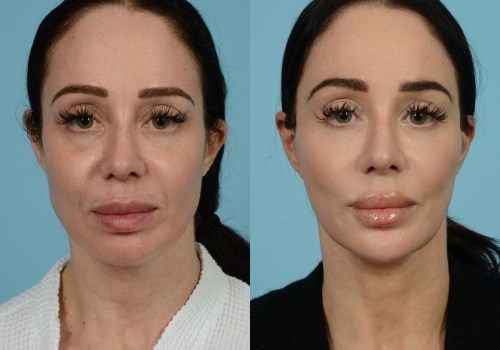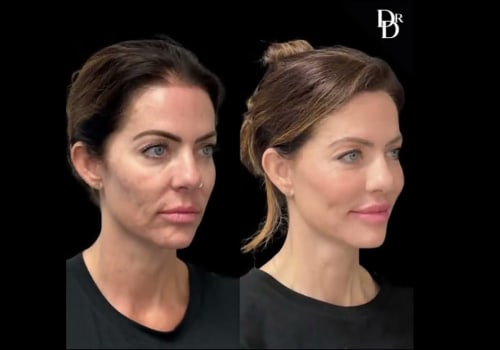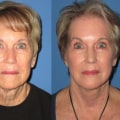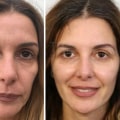
A facelift , or rhytidectomy, is a popular cosmetic surgery procedure designed to enhance the appearance of the face and neck by addressing signs of aging. As we age, our skin loses elasticity, leading to sagging and the formation of wrinkles. A facelift aims to reverse these effects by tightening the underlying muscles and removing excess skin, resulting in a more youthful and rejuvenated appearance. This procedure can significantly boost self-esteem and improve overall facial harmony, making it a sought-after option for many individuals looking to maintain their youthful looks.While the primary facelift is often effective in achieving desired aesthetic results, some patients may find themselves contemplating a second facelift after several years.
Factors such as natural aging, lifestyle changes, and individual skin characteristics can influence the longevity of facelift results. As time passes, it is not uncommon for individuals to experience further sagging or changes in facial volume that may prompt them to consider additional surgical intervention. Understanding the motivations behind seeking a second facelift is crucial for both patients and surgeons alike.In the realm of cosmetic surgery , the decision to undergo a second facelift should be approached with careful consideration. It is essential to consult with a qualified and experienced surgeon who can assess your unique situation and provide tailored advice.
The safety and effectiveness of a secondary facelift largely depend on various factors, including the patient's overall health, the quality of the initial procedure, and the surgeon's expertise. By engaging in an open dialogue about expectations and potential risks, patients can make informed decisions regarding their facial rejuvenation journey.
What is a Facelift?
A facelift, medically known as rhytidectomy, is a cosmetic surgical procedure designed to improve the visible signs of aging in the face and neck. This procedure primarily targets sagging skin, deep creases, and loss of volume, which can occur due to factors such as genetics, sun exposure, and lifestyle choices. By repositioning underlying tissues and removing excess skin, a facelift can restore a more youthful appearance.There are several types of facelifts available, each tailored to address specific concerns and achieve different results:- Traditional Facelift: This is the most comprehensive option, involving incisions around the ears and hairline.
It allows for significant lifting of the skin and underlying tissues, making it suitable for individuals with moderate to severe sagging.
- Mini Facelift: A less invasive alternative to the traditional facelift, the mini facelift involves smaller incisions and is ideal for those with mild to moderate sagging. It typically results in a shorter recovery time.
- Mid-Facelift: This procedure focuses on the middle section of the face, lifting the cheeks and addressing nasolabial folds. It is often performed through small incisions inside the mouth or at the hairline.
- Neck Lift: While not a facelift in the traditional sense, a neck lift can be performed alongside a facelift to enhance the overall appearance of the lower face and neck area.
The surgeon then lifts and repositions underlying tissues before removing excess skin. Finally, incisions are closed with sutures or adhesive strips.Understanding the various types of facelifts is crucial for anyone considering facial rejuvenation. Each type offers unique benefits and can be selected based on individual needs and desired outcomes. A well-executed facelift can significantly enhance one's appearance, leading to increased confidence and satisfaction with one's look.
Reasons for Considering a Second Facelift
As time progresses, many individuals find themselves contemplating the possibility of a second facelift.This decision often stems from various factors that highlight the natural aging process and the evolving needs of one’s appearance. Understanding these motivations can provide clarity and reassurance for those considering further surgical intervention.
1.Signs of Aging
One of the primary reasons patients consider a second facelift is the visible signs of aging that may re-emerge over time. As skin loses elasticity and collagen production decreases, individuals may notice:
- Increased sagging around the jawline and neck.
- Deepening wrinkles and fine lines, particularly around the mouth and eyes.
- Loss of volume in the cheeks and temples, leading to a more gaunt appearance.
2.Dissatisfaction with Previous Results
Some patients may feel that their initial facelift did not meet their expectations or that the results have diminished over time. Factors contributing to this dissatisfaction can include:
- Asymmetry or uneven results from the first procedure.
- Changes in facial structure due to weight fluctuations or natural aging.
- A desire for a more refined look, which may not have been achieved during the first surgery.
3.Changes in Facial Structure
The human face undergoes significant changes as we age, influenced by factors such as genetics, lifestyle, and environmental exposure.
These changes can include:
- Bone resorption, which alters the underlying structure of the face.
- Fat redistribution, leading to hollow areas or excess fat deposits in certain regions.
- Skin texture changes, resulting in a less vibrant complexion.
Evaluating Your Candidacy for a Second Facelift
Determining whether you are a suitable candidate for a second facelift involves a comprehensive evaluation of several factors, including your age, overall health, and the outcomes of your previous surgical procedures. Understanding these elements can help set realistic expectations and ensure that you achieve the desired results.Age Considerations
While age alone should not be the sole determinant of candidacy for a second facelift, it does play a significant role in the decision-making process. Generally, individuals over the age of 40 may start to notice signs of aging that could warrant a secondary procedure.
However, it is essential to consider not just your chronological age but also your skin quality and elasticity. For instance, someone in their late 50s with good skin condition may be more suitable for surgery than someone in their early 60s with significant skin laxity.
Health Status
Your overall health is another critical factor in evaluating candidacy for a second facelift. A thorough medical evaluation is necessary to identify any underlying health issues that could complicate surgery or recovery. Conditions such as cardiovascular disease, diabetes, or autoimmune disorders may increase the risks associated with surgical procedures.
It is crucial to discuss your complete medical history with your surgeon during the consultation.
Previous Surgical Outcomes
The results of your first facelift will significantly influence whether a second procedure is advisable. If you experienced satisfactory results and have maintained good skin quality since your initial surgery, you may be an excellent candidate for a secondary facelift. Conversely, if your first procedure resulted in complications or unsatisfactory outcomes, it is vital to address these concerns before considering further surgery.
Consultation with a Qualified Surgeon
Scheduling a consultation with a board-certified facial plastic surgeon is essential for evaluating your candidacy. During this meeting, the surgeon will assess your facial structure, skin condition, and any specific concerns you may have regarding aging.
They will also discuss your goals and expectations for the second facelift.In addition to physical evaluations, the surgeon will provide insights into the potential risks and benefits associated with undergoing another facelift. This discussion will help you make an informed decision about whether to proceed with the surgery.Ultimately, being well-informed about your options and having realistic expectations can lead to a successful outcome in your journey towards facial rejuvenation.
The Safety of Secondary Facelifts
When considering a second facelift, many patients naturally question the safety of undergoing such a procedure again. The good news is that, when performed by a qualified and experienced surgeon, a secondary facelift can be both safe and effective. However, it is essential to understand the potential risks and complications associated with this type of surgery.One of the primary concerns regarding any surgical procedure, including a facelift, is the risk of complications.Common risks associated with facelift surgery include:
- Bleeding: Post-operative bleeding can occur, which may require additional intervention to manage.
- Infection: As with any surgery, there is a risk of infection at the incision sites.
- Nerve Damage: Although rare, there is a possibility of nerve damage that can lead to temporary or permanent changes in sensation or movement.
- Scarring: While surgeons strive to minimise visible scarring, some patients may experience more noticeable scars than anticipated.
- Asymmetry: In some cases, results may not be perfectly symmetrical, leading to dissatisfaction with the outcome.
A skilled surgeon will not only assess your individual needs but also employ advanced techniques that can enhance safety and improve outcomes. By adhering to established surgical principles and focusing on patient care, the likelihood of complications can be significantly reduced.In conclusion, while there are inherent risks associated with any surgical procedure, including secondary facelifts, these can be effectively managed through careful planning and by choosing an experienced professional. With proper evaluation and preparation, many patients find that they can achieve beautiful and natural results from their second facelift without an increased risk of complications.
Choosing the Right Surgeon for Your Second Facelift
When considering a second facelift, selecting the right surgeon is crucial to achieving the desired results while minimising risks. The choice of a qualified and experienced plastic surgeon can significantly influence the outcome of your procedure.Here are some essential factors to consider when making your selection.
1.Verify Credentials
- Ensure that the surgeon is board-certified in plastic surgery. This certification indicates that they have undergone rigorous training and adhere to high standards of practice.
- Look for additional certifications or memberships in professional organisations, such as the British Association of Aesthetic Plastic Surgeons (BAAPS) or the American Society of Plastic Surgeons (ASPS).
2.Experience with Secondary Facelifts
Not all surgeons have the same level of experience with secondary facelifts. It is essential to choose a surgeon who has a proven track record in performing this specific procedure. Ask about their experience with similar cases and request before-and-after photos of previous patients.
3.Consultation Process
The initial consultation is an opportunity to gauge the surgeon's approach and expertise.
During this meeting, consider asking the following questions:
- What is your experience with secondary facelifts?
- Can you provide references from previous patients?
- What techniques do you recommend for my specific needs?
- What are the potential risks and complications associated with this procedure?
- How do you handle post-operative care and follow-up?
4.Assess Communication and Comfort
Your comfort level with the surgeon is vital for a successful outcome. Pay attention to how well they listen to your concerns and whether they provide clear, honest answers. A good surgeon should be able to explain complex medical terms in a way that you can understand.
5.Review Facility Accreditation
The surgical facility where your procedure will take place should be accredited by a recognised body. This accreditation ensures that the facility meets strict safety and quality standards.In conclusion, taking the time to choose a qualified plastic surgeon for your second facelift can make all the difference in achieving natural-looking results while ensuring your safety throughout the process.
Conduct thorough research, ask pertinent questions, and trust your instincts when making this important decision.
What to Expect During the Procedure
Undergoing a second facelift can be a significant decision, and understanding what to expect during the procedure is crucial for potential patients. The process typically involves several key steps, from pre-operative preparations to post-operative care, ensuring a smooth experience and optimal results.Pre-Operative Preparations
Before the surgery, a thorough consultation with your surgeon is essential. This meeting allows you to discuss your goals, concerns, and medical history. Your surgeon will conduct a comprehensive evaluation of your facial structure and skin condition to determine the most suitable approach for your second facelift.In the weeks leading up to the procedure, you may be advised to:- Avoid blood thinners such as aspirin or ibuprofen to reduce the risk of bleeding.
- Stop smoking, as it can impede healing and affect blood flow.
- Follow a healthy diet to promote optimal recovery.
- Arrange for someone to assist you post-surgery, as you may need help during the initial recovery phase.
The Facelift Procedure
On the day of the surgery, you will arrive at the surgical facility where you will be prepared for the procedure.Anesthesia options will be discussed, and you may receive either general anesthesia or sedation, depending on your specific needs and the complexity of the surgery.The actual facelift procedure generally follows these steps:
- Incision: The surgeon will make incisions in discreet locations, often around the ears and hairline, to minimise visible scarring.
- Tissue Manipulation: The underlying tissues are lifted and repositioned to restore a more youthful contour. Excess skin may also be removed during this step.
- Suturing: Once the desired adjustments are made, the incisions are carefully closed with sutures or staples.
Recovery from Facelift Surgery
The recovery period following a second facelift is crucial for achieving satisfactory results. Patients can expect some swelling and bruising in the initial days after surgery. Here are some important aspects of recovery:- Rest: Adequate rest is vital during the first week.
Avoid strenuous activities that could strain your healing tissues.
- Follow-Up Appointments: Regular check-ups with your surgeon will help monitor your healing progress and address any concerns.
- Post-Operative Care: Follow your surgeon's instructions regarding wound care, medication for pain management, and any recommended lifestyle adjustments.
Long-Term Results and Maintenance After a Second Facelift
After undergoing a second facelift, many patients are eager to understand how long they can expect their results to last and what steps they can take to maintain their rejuvenated appearance. The longevity of facelift results can vary significantly based on several factors, including the individual’s skin type, age, lifestyle choices, and the specific techniques employed during the surgery.Long-Term Results of a Second Facelift
Generally, the results of a facelift can last anywhere from 5 to 10 years. However, with a second facelift, patients may find that the effects can be even more enduring. This is largely due to the cumulative benefits of surgical techniques that address deeper layers of skin and tissue.
Many patients report that their facial contours remain improved for a longer duration compared to their first procedure.It is important to note that while a facelift can significantly reduce signs of aging, it does not stop the natural aging process. Factors such as sun exposure, smoking, and overall health can influence how quickly the skin ages post-surgery. Therefore, maintaining a healthy lifestyle is crucial for prolonging the results.
Maintaining Facelift Results
To maximise the longevity of your facelift results, consider incorporating the following maintenance routines:
- Skincare Regimen: Invest in high-quality skincare products that include ingredients like retinoids, hyaluronic acid, and antioxidants. These can help improve skin texture and elasticity.
- Sun Protection: Always apply a broad-spectrum sunscreen with at least SPF 30.
Protecting your skin from UV rays is essential in preventing premature aging.
- Hydration: Keep your skin well-hydrated by drinking plenty of water and using moisturisers suited to your skin type.
- Avoid Smoking: Smoking can accelerate skin aging and diminish the results of your facelift.
- Regular Check-ups: Schedule follow-up appointments with your surgeon or dermatologist to monitor your skin’s condition and discuss any concerns.
Skincare After Facelift
Post-operative skincare is vital for optimal healing and maintaining results. Initially, follow your surgeon's specific aftercare instructions closely. This may include avoiding certain products or activities for a period after surgery. Once you have healed sufficiently, gradually introduce a comprehensive skincare routine that focuses on hydration and protection.In conclusion, while a second facelift can provide significant aesthetic benefits that last for years, it is essential to adopt a proactive approach to skincare and overall health.
By doing so, you can enjoy your rejuvenated appearance for as long as possible.
FAQs About Second Facelifts
When considering a second facelift, potential patients often have numerous questions. Here are some of the most frequently asked questions regarding secondary facelifts:- What is the ideal age for a second facelift?The ideal age for a second facelift can vary significantly from person to person. Generally, many individuals consider a secondary facelift when they notice signs of aging such as sagging skin or deepening wrinkles, which can occur anywhere from five to fifteen years after the initial procedure. While there is no strict age limit, patients over 65 can still achieve excellent results if they are in good health and have realistic expectations.
Consulting with a qualified surgeon can help determine the best timing based on individual circumstances.
- Can I combine other procedures with my second facelift?Yes, many patients choose to combine their second facelift with other cosmetic procedures to enhance their overall results. Common combinations include eyelid surgery (blepharoplasty), brow lifts, or non-surgical treatments like dermal fillers and laser therapy. Combining procedures can provide a more comprehensive rejuvenation effect, but it’s essential to discuss your goals and health status with your surgeon to ensure safety and optimal outcomes.
- How soon can I have another facelift after my first?The timing for a second facelift largely depends on the individual’s healing process and the results of the first surgery. Most surgeons recommend waiting at least five years before considering a secondary facelift.
This allows sufficient time for the initial results to settle and for any changes in skin elasticity or facial structure to become apparent. However, some patients may feel ready sooner, especially if they experience significant aging signs. A thorough consultation with your surgeon will help establish an appropriate timeline.
<strong>Conclusion</strong>
In conclusion, the decision to undergo a second facelift is a significant one that requires careful consideration and thorough evaluation.While many individuals may feel apprehensive about the safety of undergoing additional cosmetic procedures, it is essential to understand that a secondary facelift can be both safe and effective when performed by a qualified and experienced surgeon.As we age, our skin naturally loses elasticity and volume, leading to sagging and wrinkles. For some, the results of their initial facelift may diminish over time, prompting the desire for further enhancement. It is crucial to recognise that the timing for a second facelift varies from person to person. Factors such as skin condition, lifestyle, and the quality of the previous surgery all play a role in determining when it might be appropriate to consider another procedure.Before proceeding with a secondary facelift, patients should engage in an open dialogue with their surgeon.
This discussion should encompass:
- Your aesthetic goals: Clearly articulating what you hope to achieve can help your surgeon tailor the procedure to meet your expectations.
- Health considerations: A thorough medical evaluation is vital to ensure that you are a suitable candidate for surgery.
- Understanding risks: Every surgical procedure carries inherent risks, including complications such as bleeding or infection. Being informed allows for better decision-making.
- Alternative options: In some cases, non-surgical treatments like dermal fillers or laser therapy may provide satisfactory results without the need for surgery.