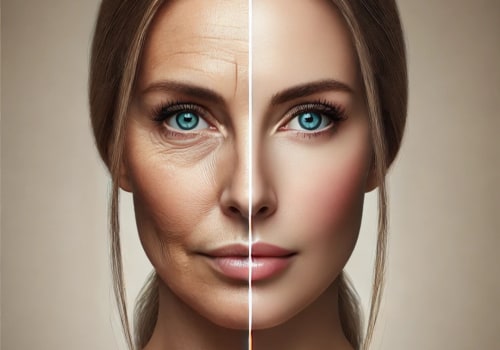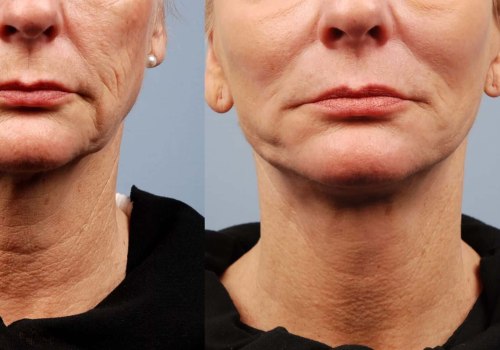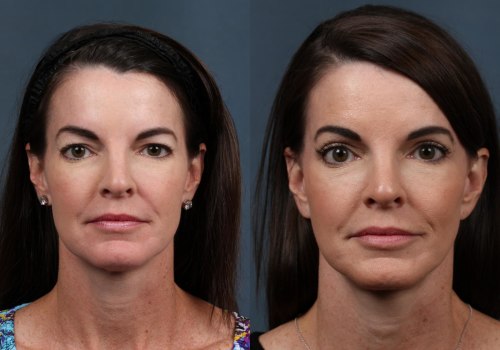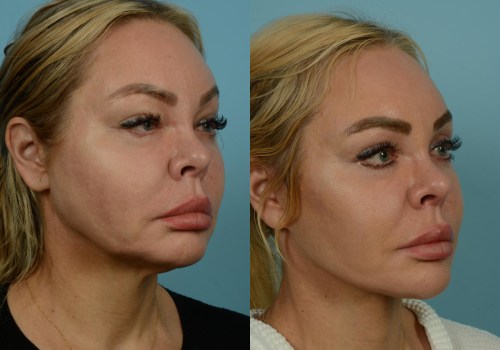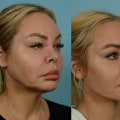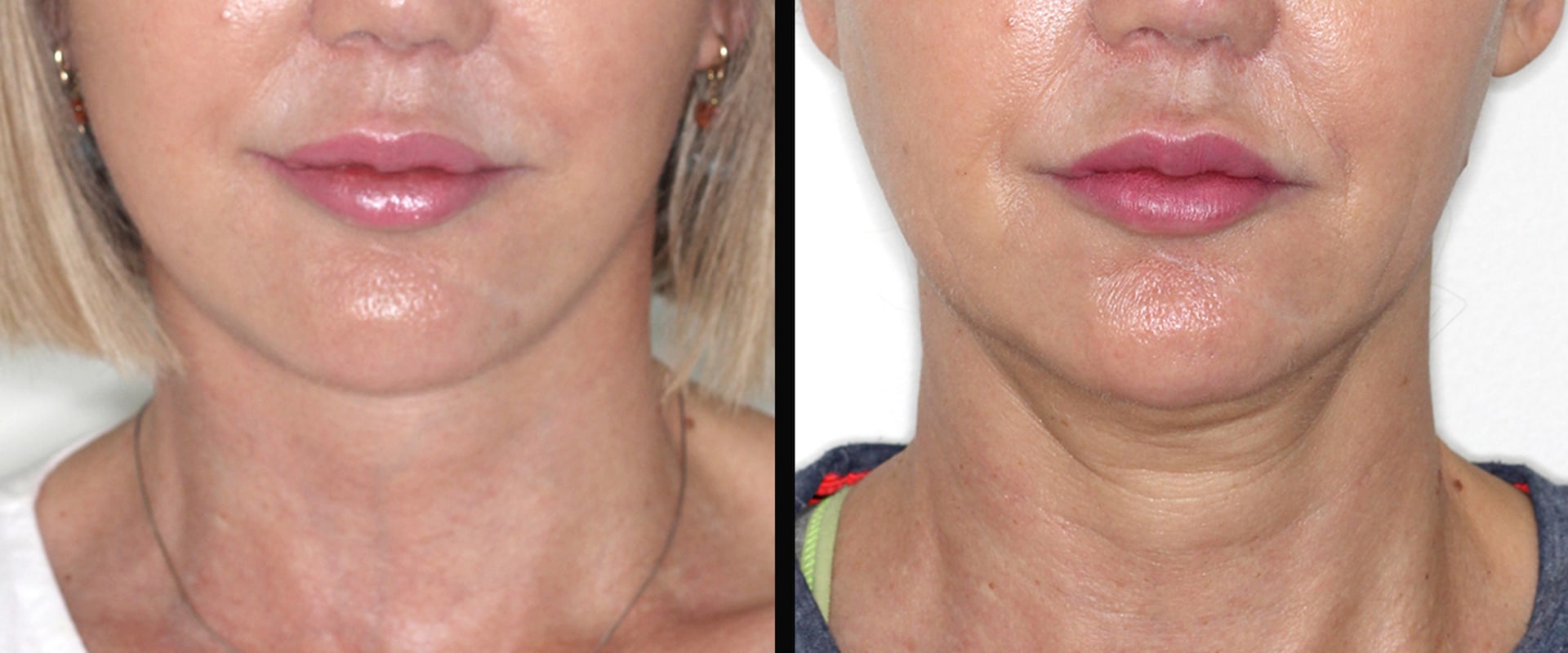
A deep plane facelift is a sophisticated surgical procedure designed to restore a youthful appearance by addressing the underlying structures of the face. Unlike traditional facelifts that primarily focus on the skin's surface, this technique involves lifting and repositioning deeper layers, including muscles and fat pads. This approach not only enhances facial contours but also provides a more natural and long-lasting result, making it a popular choice for those seeking significant rejuvenation.As we age, our skin loses elasticity and volume, leading to sagging and the formation of wrinkles. The mid-to-late forties often mark a turning point where these changes become more pronounced, prompting many individuals to consider cosmetic interventions.
However, the question of what age is appropriate for a facelift is complex and varies from person to person. Factors such as genetics, lifestyle choices, and overall health play crucial roles in determining when one might benefit from a deep plane facelift.While many candidates for this procedure are typically between 40 and 60 years old, it is essential to understand that age alone should not dictate eligibility. Some individuals may find themselves ready for a facelift earlier due to lifestyle factors like sun exposure or smoking, while others may not require one until later in life. The key is to assess individual needs and aesthetic goals in consultation with a qualified surgeon who can provide tailored recommendations.The benefits of a deep plane facelift extend beyond mere aesthetics; they can significantly enhance self-esteem and confidence.
By restoring youthful contours and reducing visible signs of aging, patients often report feeling revitalised and more aligned with their inner vitality. As we delve deeper into the specifics of this procedure, we will explore age-related considerations and how they influence candidacy for a deep plane facelift.
What is a Deep Plane Facelift?
A deep plane facelift is a sophisticated surgical procedure designed to rejuvenate the face by addressing the underlying structures, rather than merely tightening the skin. This technique focuses on lifting the deeper layers of facial tissue, including the muscles and fat pads, which can sag due to aging, gravity, and other factors. By repositioning these layers, a deep plane facelift can create a more youthful and natural appearance.Unlike traditional facelift methods that primarily target the superficial layers of skin, the deep plane technique involves a more intricate approach.The surgeon makes incisions typically hidden along the hairline and around the ears, allowing for access to the deeper facial structures. Once these layers are exposed, the surgeon carefully lifts and repositions them to restore volume and contour to the face.One of the key advantages of a deep plane facelift is its ability to provide long-lasting results. By addressing the underlying tissues, this method not only tightens the skin but also enhances facial volume, which diminishes the appearance of wrinkles and sagging. The results can be particularly striking in areas such as the cheeks and jawline, where volume loss is most noticeable.In addition to its effectiveness, a deep plane facelift is often associated with a shorter recovery time compared to more invasive procedures.
Patients typically experience less swelling and bruising due to the careful dissection of tissues, which minimizes trauma to surrounding areas.When considering a facelift, it’s essential to understand that there are various techniques available. Some common methods include:
- Traditional Facelift: Focuses on tightening the skin without significant manipulation of deeper structures.
- Mini Facelift: A less invasive option that targets specific areas of concern with smaller incisions.
- SMAS Facelift: Involves lifting the superficial musculoaponeurotic system (SMAS) layer for enhanced results.
Signs of Aging: When to Consider a Facelift
As we age, our skin undergoes a series of changes that can significantly alter our appearance.Recognising the signs of aging is crucial for anyone considering a facelift, as these indicators often signal the right time to explore surgical options.One of the most noticeable signs is the loss of skin elasticity. As collagen and elastin production decreases, the skin begins to sag, particularly around the jawline and cheeks. This sagging can create a tired or worn-out look, prompting many individuals to consider a facelift.Another common change is the development of deep wrinkles and fine lines. These can appear around the mouth, eyes, and forehead, often referred to as dynamic wrinkles, which become more pronounced with facial movements.
Over time, static wrinkles may also form, becoming visible even when the face is at rest.
Fat redistribution
is another factor that contributes to an aged appearance. As we grow older, fat pads in the face can diminish or shift, leading to hollow cheeks or pronounced nasolabial folds. This change can make individuals look gaunt or older than their actual age.Additionally, sun exposure over the years can lead to pigmentation changes and uneven skin tone. Age spots and discoloration can further detract from a youthful appearance, making a facelift an appealing option for those looking to restore their skin's uniformity.So, when should one consider a facelift? Generally, individuals in their 40s to 60s begin to notice these signs more prominently.
However, it’s essential to remember that age is not the sole determining factor. Personal health, skin condition, and lifestyle choices play significant roles in this decision.For some, early intervention in their 40s may be beneficial, especially if they have experienced significant weight loss or have genetic predispositions to early aging. Others may find that waiting until their 50s or 60s allows for more pronounced changes that warrant surgical correction.Ultimately, the decision to undergo a facelift should be based on individual circumstances and aesthetic goals. Consulting with a qualified plastic surgeon can provide valuable insights into whether now is the right time for you to consider this transformative procedure.
Ideal Age Range for a Deep Plane Facelift
When considering a deep plane facelift, understanding the ideal age range is crucial for achieving optimal results.Generally, candidates for this procedure are typically between 40 and 60 years old. This age bracket is significant because it often marks the onset of noticeable signs of aging, such as sagging skin, loss of volume in the cheeks, and deepening nasolabial folds.However, it is essential to recognize that age is not the sole determinant of candidacy for a deep plane facelift. Individual factors play a critical role in assessing whether this surgical intervention is appropriate. For instance:
- Skin Quality: The elasticity and overall condition of your skin can significantly influence the timing of a facelift.
Some individuals may experience premature aging due to lifestyle choices or genetic predispositions, making them suitable candidates in their late thirties or early forties.
- Health Status: A person's general health and medical history are vital considerations. Those with underlying health issues may need to wait until they are in better health before undergoing surgery.
- Aesthetic Goals: The desired outcome also affects the decision. If an individual seeks a more youthful appearance but has only mild signs of aging, they might opt for less invasive procedures instead.
It is essential to consider not just chronological age but also personal factors such as skin condition, health status, and aesthetic desires. By taking these elements into account, you can make an informed decision about when to pursue this transformative procedure.
Factors Influencing Candidacy Beyond Age
When considering a deep plane facelift, age is just one of many factors that determine candidacy. Understanding the various elements that influence whether an individual is suitable for this procedure is crucial for making an informed decision.Skin Quality
The condition of your skin plays a significant role in determining your eligibility for a facelift. Skin that has lost elasticity and firmness may not respond as well to surgical interventions.
Factors such as sun exposure, smoking, and hydration levels can affect skin quality. For instance, individuals with dry or sun-damaged skin may experience less optimal results compared to those with well-maintained skin. A thorough assessment by a qualified surgeon can help evaluate your skin's condition and its ability to heal post-surgery.
Overall Health
Your general health is another critical factor in determining candidacy for a deep plane facelift. Individuals with chronic health conditions such as diabetes, heart disease, or autoimmune disorders may face increased risks during surgery and recovery.
It is essential to disclose your complete medical history to your surgeon, who will assess whether your health status allows for safe surgical intervention. In some cases, patients may need to manage their health conditions before proceeding with the facelift.
Lifestyle Choices
Your lifestyle choices can significantly impact both the outcome of the surgery and your recovery process. Factors such as diet, exercise, and smoking habits can influence healing and the longevity of the results. For example, smokers are often advised to quit several weeks before and after surgery to reduce complications and promote better healing.
Maintaining a balanced diet rich in vitamins and minerals can also support skin health and recovery.
Genetic Predispositions
Genetics play a vital role in how we age and how our skin responds to surgical procedures. Some individuals may have inherited traits that predispose them to sagging skin or pronounced wrinkles at an earlier age. Understanding your family history regarding aging can provide insights into what you might expect from a facelift. A consultation with a plastic surgeon can help you understand how your genetic background may influence your candidacy.In conclusion, while age is an important consideration when evaluating candidacy for a deep plane facelift, it is essential to take into account other factors such as skin quality, overall health, lifestyle choices, and genetic predispositions.
A comprehensive evaluation by a qualified surgeon will ensure that you receive personalised recommendations tailored to your unique situation.
The Role of Lifestyle and Genetics in Aging
Aging is a multifaceted process influenced by a combination of lifestyle choices and genetic factors. Understanding how these elements interact can provide valuable insights into the aging of the face and the effectiveness of facelift procedures.Lifestyle Choices and Their Impact on Aging
- Diet: A balanced diet rich in antioxidants, vitamins, and minerals can significantly affect skin health. Foods high in omega-3 fatty acids, such as fish and nuts, promote skin elasticity, while fruits and vegetables provide essential nutrients that combat oxidative stress. Conversely, a diet high in processed sugars and unhealthy fats can accelerate skin aging.
- Sun Exposure: Prolonged exposure to UV rays is one of the leading causes of premature aging.
It can lead to skin damage, including wrinkles, age spots, and loss of elasticity. Regular use of sunscreen and protective clothing can mitigate these effects, preserving skin health over time.
- Hydration: Staying well-hydrated is crucial for maintaining skin moisture and elasticity. Dehydration can lead to dry, flaky skin, making fine lines and wrinkles more pronounced.
- Smoking and Alcohol Consumption: Both smoking and excessive alcohol intake can have detrimental effects on skin health. Smoking restricts blood flow to the skin, leading to a dull complexion and increased wrinkles.
Alcohol dehydrates the skin, exacerbating signs of aging.
The Role of Genetics in Facial Aging
Genetics play a significant role in how individuals age. Some people may inherit traits that predispose them to better skin quality or slower aging processes. For instance, those with oily skin may experience fewer wrinkles due to natural moisture retention, while individuals with dry skin may show signs of aging earlier.Moreover, genetic factors can influence how the body responds to environmental stressors. For example, some individuals may have a genetic predisposition to develop sunspots or other pigmentation issues more readily than others.
Implications for Facelift Results
The interplay between lifestyle choices and genetics underscores the importance of a tailored approach when considering facelift procedures.
A patient’s overall health, skin condition, and lifestyle habits should be evaluated to determine the most suitable surgical options. For instance, individuals with healthier lifestyles may experience more pronounced and longer-lasting results from a deep plane facelift compared to those with less favourable habits.In conclusion, both lifestyle choices and genetic factors are critical in understanding facial aging. By addressing these elements proactively, individuals can enhance their overall skin health and potentially improve the outcomes of cosmetic procedures like facelifts.
Consultation: What to Expect Before Your Facelift
When considering a facelift, the initial consultation with a facial plastic surgeon is a crucial step in the journey towards rejuvenation. This meeting serves as an opportunity for both the patient and the surgeon to engage in an open dialogue about aesthetic goals, expectations, and the specifics of the procedure.Understanding Your Goals
During the consultation, you will be encouraged to articulate your reasons for seeking a facelift.
Whether it’s to address sagging skin, enhance facial contours, or reduce the appearance of wrinkles, clearly defining your objectives helps the surgeon tailor a treatment plan that aligns with your vision. It’s essential to be honest about what you hope to achieve, as this will guide the surgeon in recommending the most suitable approach.
Assessment of Facial Structure
The surgeon will conduct a thorough assessment of your facial structure and skin quality. This evaluation includes examining skin elasticity, bone structure, and any areas of concern you may have. The surgeon may take photographs for reference and to help illustrate potential outcomes.
This step is vital as it allows for a personalized approach that considers your unique anatomy and aging patterns.
Discussion of Options
Based on your goals and facial assessment, the surgeon will discuss various facelift techniques available. They may explain the differences between traditional facelifts, deep plane facelifts, and minimally invasive options. Understanding these distinctions will empower you to make informed decisions about which procedure aligns best with your needs.
Pre-Surgery Advice
Your surgeon will provide essential pre-surgery advice to ensure optimal results and a smooth recovery process. This may include:
- Avoiding certain medications or supplements that can increase bleeding risk.
- Guidance on smoking cessation, as tobacco can impede healing.
- Recommendations for skincare routines leading up to the surgery.
- Instructions on arranging post-operative care and support.
Setting Realistic Expectations
It’s important to have realistic expectations regarding the outcomes of your facelift.
The surgeon will explain what can be achieved through surgery and discuss potential risks and complications. Understanding these factors will help you feel more prepared for the journey ahead.In conclusion, your consultation is not just an appointment; it’s a collaborative process that lays the foundation for your facelift experience. By engaging openly with your surgeon and following their guidance, you can embark on this transformative journey with confidence.
Potential Risks and Considerations of Deep Plane Facelifts
While a deep plane facelift can offer significant aesthetic benefits, it is essential to consider the potential risks and complications associated with the procedure. Understanding these factors can help patients make informed decisions and set realistic expectations for their outcomes.Common Risks Associated with Deep Plane Facelifts
As with any surgical procedure, there are inherent risks involved.Some of the most common risks associated with deep plane facelifts include:
- Infection: Post-operative infections can occur, leading to complications that may require additional treatment.
- Scarring: Although incisions are typically made in discreet locations, some patients may experience noticeable scarring.
- Hematoma: This condition involves the accumulation of blood outside of blood vessels, which can lead to swelling and discomfort.
- Nerve Damage: There is a risk of temporary or permanent nerve damage, which may affect facial movement or sensation.
- Asymmetry: In some cases, the results may not be perfectly symmetrical, leading to dissatisfaction with the outcome.
Complications Specific to Deep Plane Facelifts
The deep plane facelift technique involves lifting deeper layers of facial tissue, which can introduce specific complications:- Skin Necrosis: In rare cases, the skin may not receive adequate blood supply post-surgery, leading to tissue death.
- Delayed Healing: Some patients may experience prolonged recovery times due to various factors such as age, health status, or lifestyle choices.
- Changes in Skin Sensation: Patients might notice altered sensations in the skin post-surgery, which can be temporary or permanent.
Safety Considerations Before Undergoing Surgery
Before deciding on a deep plane facelift, it is crucial to discuss your medical history and any pre-existing conditions with your surgeon. Factors such as smoking, diabetes, or cardiovascular issues can increase the risk of complications. Additionally, maintaining realistic expectations about the results and understanding that individual healing processes vary is vital for patient satisfaction.Ultimately, while a deep plane facelift can provide remarkable rejuvenation results, being aware of the potential risks and complications is essential for making an informed choice about your cosmetic journey.Post-Operative Care and Recovery Timeline
Recovering from a deep plane facelift is a crucial phase that significantly impacts the overall results of the procedure. Understanding the healing timeline and adhering to proper post-operative care can enhance recovery and ensure optimal outcomes.Immediate Post-Operative Care
- After the surgery, patients are typically monitored in a recovery area for a few hours.
It is essential to have a trusted friend or family member available to assist with transportation home.
- Patients may experience swelling, bruising, and discomfort, which are normal reactions. Pain management will be discussed, and prescribed medications should be taken as directed.
- Keeping the head elevated during the first few days can help reduce swelling. Using extra pillows while sleeping is recommended.
First Week: Initial Healing
- During the first week, it is common to experience significant swelling and bruising. Most patients find that these symptoms peak around day three or four.
- Stitches or sutures are usually removed within 5 to 10 days post-surgery, depending on the surgeon's protocol.
- Patients should avoid strenuous activities, including exercise and heavy lifting, during this period to promote healing.
Weeks Two to Four: Gradual Recovery
- By the second week, many patients feel comfortable resuming light activities.
However, it is advisable to avoid direct sun exposure and wear sunscreen to protect healing skin.
- Swelling will gradually subside, revealing more of the facelift results. Patients may still notice some residual bruising, which should continue to improve.
- Follow-up appointments with the surgeon are essential during this time to monitor healing progress and address any concerns.
One Month and Beyond: Long-Term Healing
- By the end of the first month, most patients return to their normal routines, although some may still experience minor swelling.
- The final results of a deep plane facelift can take several months to fully manifest as the skin continues to settle into its new position.
- Maintaining a healthy lifestyle, including proper hydration and nutrition, can further support long-term healing and enhance results.
Post-Operative Care Tips
- Follow your surgeon's instructions: Adhering strictly to post-operative guidelines is vital for a smooth recovery.
- Avoid smoking: Smoking can impede blood flow and delay healing; it is best to refrain from smoking before and after surgery.
- Stay hydrated: Drinking plenty of water aids in recovery and helps maintain skin elasticity.
- Limit alcohol consumption: Alcohol can interfere with medications and hydration levels; moderation is key during recovery.
<strong>Conclusion</strong>
In summary, determining the ideal age for a deep plane facelift is not a straightforward process, as it varies significantly from individual to individual. While many candidates typically fall within the 40 to 60 age range, factors such as skin quality, overall health, and personal aesthetic goals play a crucial role in deciding when to undergo this transformative procedure.For those in their forties , a deep plane facelift can effectively address early signs of aging, such as sagging skin and loss of volume in the cheeks.This age group often benefits from the procedure as it can provide a subtle yet impactful rejuvenation, allowing individuals to maintain a youthful appearance without appearing overly done.As individuals enter their fifties , the need for more extensive lifting becomes apparent. The deep plane facelift technique is particularly advantageous at this stage, as it targets deeper layers of facial tissue, resulting in longer-lasting effects. Patients in this age bracket often seek to restore their facial contours and reduce the visibility of nasolabial folds.For those considering a facelift beyond their sixties, it is essential to understand that age alone should not be a deterrent. Many patients in their seventies and even eighties have successfully undergone deep plane facelifts with satisfying results.
The key is to assess each patient's unique circumstances, including their skin condition and health status.Ultimately, the decision to pursue a deep plane facelift should be made in consultation with a qualified plastic surgeon who can provide tailored advice based on individual needs. By understanding the various factors that influence the timing of this procedure, potential candidates can make informed choices that align with their aesthetic aspirations.In conclusion, while there are general guidelines regarding the optimal age for a deep plane facelift, personal factors will always take precedence. Whether you are in your forties or beyond, exploring your options with an experienced surgeon can lead to rejuvenation that enhances your natural beauty and boosts your confidence.