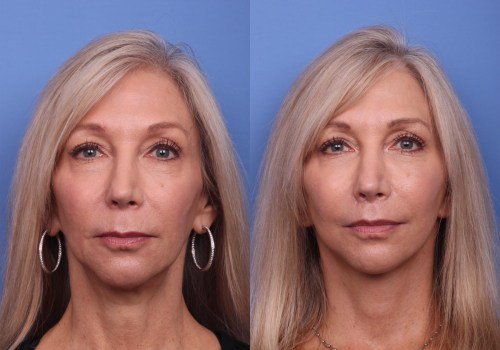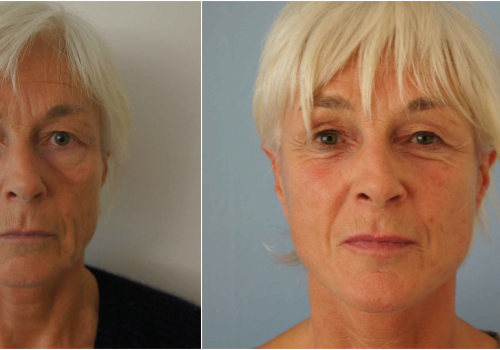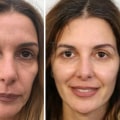
A facelift, medically known as rhytidectomy, is a cosmetic surgical procedure designed to enhance the appearance of the face by reducing visible signs of aging. As we age, our skin loses elasticity and firmness, leading to sagging, wrinkles, and fine lines. A facelift aims to address these concerns by tightening the underlying muscles and removing excess skin, resulting in a more youthful and rejuvenated appearance.There are several types of facelifts available, each tailored to meet the specific needs and goals of the patient. The most common types include the traditional facelift, which involves incisions around the hairline and ears to lift and tighten the skin; the mini facelift, which is less invasive and focuses on the lower face; and the endoscopic facelift, which uses small incisions and a camera to guide the surgeon in lifting facial tissues.
Each technique has its own advantages and is chosen based on factors such as the extent of aging signs, desired results, and recovery time.Understanding the various types of facelifts is essential for anyone considering this procedure. Not only does it help in setting realistic expectations, but it also allows individuals to make informed decisions about their cosmetic journey. A facelift can significantly improve one’s self-esteem and confidence by restoring a more youthful appearance. However, it is crucial to consult with a qualified plastic surgeon who can assess individual needs and recommend the most suitable approach.Each technique has its own advantages and is chosen based on factors such as the extent of aging signs, desired results, and recovery time.Understanding the various types of facelifts is essential for anyone considering this procedure. Not only does it help in setting realistic expectations, but it also allows individuals to make informed decisions about their cosmetic journey. A facelift can significantly improve one’s self-esteem and confidence by restoring a more youthful appearance. However, it is crucial to consult with a qualified plastic surgeon who can assess individual needs and recommend the most suitable approach.
The Age Factor in Facelifts
When considering a facelift, the ideal age often falls within the range of 40 to 70 years.This period is significant as it marks a time when many individuals begin to notice the more pronounced effects of aging on their skin. Factors such as skin elasticity, collagen levels, and overall facial structure play crucial roles in determining the best timing for this transformative procedure.As we age, our skin undergoes various changes. By the time individuals reach their 40s, the natural production of collagen and elastin—two essential proteins that maintain skin's firmness and elasticity—begins to decline. This reduction can lead to visible signs of aging, including:
- Fine lines and wrinkles
- Sagging skin, particularly around the jawline and neck
- Loss of volume in the cheeks and temples
- Deepening nasolabial folds
The best age for a facelift is not solely determined by chronological age but also by the condition of one’s skin and personal aesthetic goals. For instance, someone in their early 40s may exhibit more advanced signs of aging than someone in their late 50s, making them a suitable candidate for surgical intervention.Moreover, undergoing a facelift at a younger age—such as in the early 40s—can yield longer-lasting results. This is primarily because younger skin retains more collagen and elastin, allowing for better healing and more natural-looking outcomes. In contrast, patients who wait until their 60s or beyond may find that their skin has lost significant elasticity, which can affect the final results of the procedure.It is also essential to consider that facelifts are not exclusively for women; men can equally benefit from this procedure.
The key is ensuring that candidates are in good health and have realistic expectations about what a facelift can achieve.Ultimately, while ages 40 to 70 are often deemed optimal for a facelift, individual circumstances vary widely. Consulting with a qualified plastic surgeon can provide tailored advice based on personal skin condition and aesthetic desires, ensuring that each patient makes an informed decision about the right timing for their facelift journey.
Signs of Aging: When to Consider a Facelift
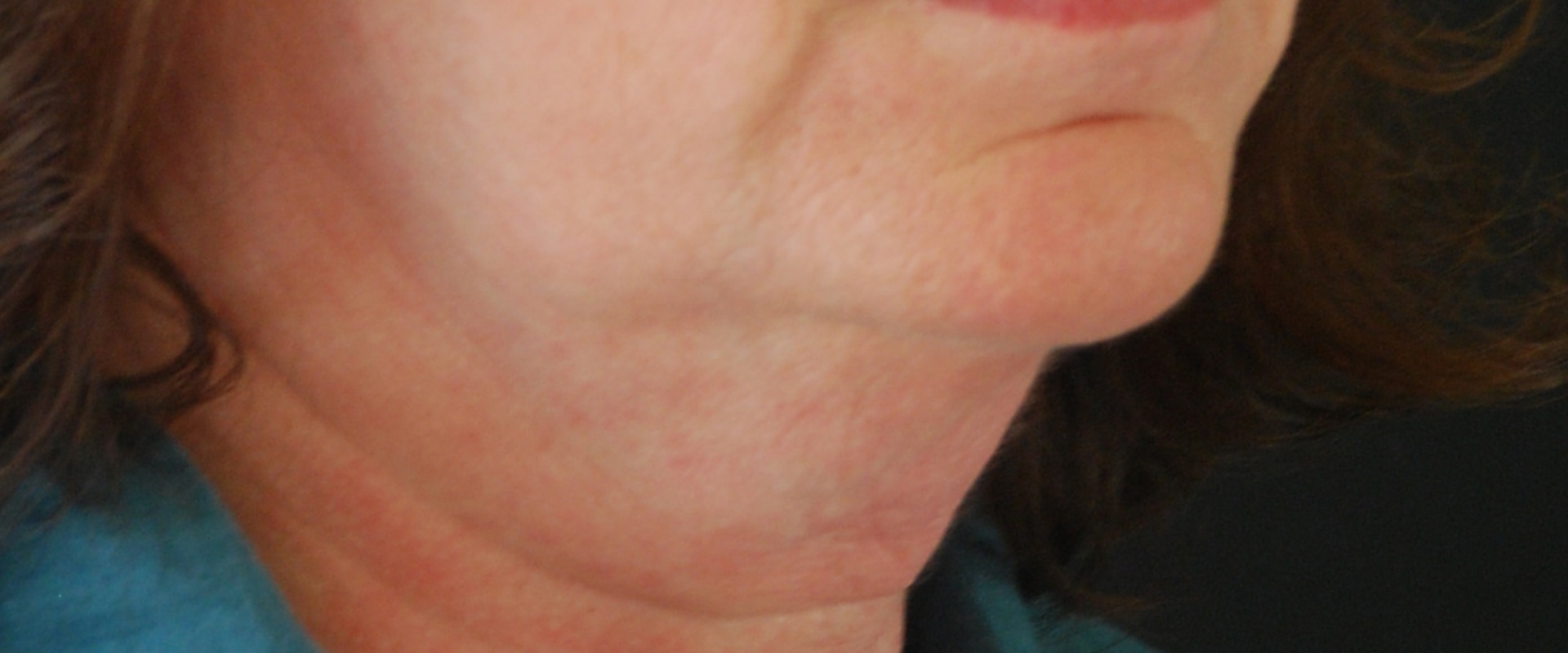
As we age, our skin undergoes various changes that can significantly affect our appearance. Recognising the signs of aging is crucial for anyone considering a facelift, as these indicators can help determine the right time to seek surgical intervention.One of the most noticeable signs is the development of fine lines and wrinkles. These often begin around the eyes and mouth, where the skin is thinner and more prone to creasing.Over time, these lines can deepen, leading to a more aged appearance. Additionally, loss of skin elasticity becomes apparent; skin may start to sag, particularly around the jawline and neck, creating what is commonly referred to as a "jowly" look.Another significant factor is volume loss. As we age, the fat pads in our face diminish, leading to a gaunt or hollowed appearance. This loss of volume can make individuals look tired or unwell, prompting many to consider a facelift as a means to restore youthful contours.
Sun damage
also plays a critical role in the aging process.
Prolonged exposure to UV rays can lead to pigmentation issues, uneven skin tone, and an overall rough texture. These changes can be difficult to reverse with topical treatments alone, making surgical options more appealing for those seeking comprehensive rejuvenation.Furthermore, individuals may notice changes in their facial structure due to gravity's effects. The cheeks may droop, and the nasolabial folds (the lines running from the nose to the corners of the mouth) can become more pronounced. These structural changes often signal that it might be time to consider a facelift.Ultimately, the decision to undergo a facelift should be based on personal feelings about one’s appearance rather than solely on age.
If you find yourself feeling self-conscious about these signs of aging or if they impact your confidence, it may be worth consulting with a qualified plastic surgeon. They can provide tailored advice based on your unique situation and help you determine if now is the right time for a facelift.
Individual Factors Influencing Facelift Timing
When considering a facelift, it is essential to recognise that age is just one of many factors influencing the timing of this procedure. Personal health, lifestyle choices, and individual goals play a significant role in determining the right moment for a facelift.Health Considerations
Your overall health is a critical factor when contemplating a facelift. Individuals with chronic health conditions, such as diabetes or heart disease, may face increased risks during surgery.It is vital to consult with a qualified plastic surgeon who can evaluate your medical history and current health status. They may require medical clearance from your primary care physician before proceeding with the surgery.Moreover, factors like skin elasticity and healing capacity can vary significantly among individuals. Younger patients often have better skin elasticity, which can lead to more favourable surgical outcomes. However, older patients in good health can also achieve excellent results if they have maintained their skin well through proper skincare and sun protection.
Lifestyle Impact
Your lifestyle choices can greatly influence the timing of a facelift.For instance, individuals who smoke or consume excessive alcohol may experience slower healing and poorer results post-surgery. Quitting smoking and moderating alcohol intake in the months leading up to the procedure can enhance recovery and improve outcomes.Additionally, maintaining a balanced diet rich in vitamins and minerals supports skin health and recovery. Regular exercise not only helps in maintaining a healthy weight but also promotes better circulation, which is beneficial for healing after surgery.
Individual Goals and Expectations
Understanding your personal goals is crucial when deciding on the timing of a facelift. Some individuals may seek to address specific concerns, such as sagging skin or deep wrinkles, while others may wish to achieve a more youthful appearance as part of a broader self-care regimen.Setting realistic expectations about what a facelift can achieve is essential for satisfaction with the results.Ultimately, the decision regarding when to undergo a facelift should be based on a combination of personal health, lifestyle factors, and individual aspirations. By taking these elements into account, you can make an informed choice that aligns with your unique circumstances and desired outcomes.
Mini Facelifts and Alternative Options
For individuals who are not yet ready to commit to a full facelift, mini facelifts and various non-surgical options present viable alternatives. These procedures can effectively address early signs of aging while offering less invasive solutions with shorter recovery times.Understanding Mini Facelifts
A mini facelift , also known as a short scar facelift, is designed to provide subtle yet noticeable improvements in facial appearance. This procedure typically targets the lower face and neck, focusing on areas where sagging skin and fine lines are most apparent.Unlike a traditional facelift, which involves more extensive incisions and a longer recovery period, a mini facelift uses smaller incisions, often hidden within the hairline or natural creases of the skin.The benefits of a mini facelift include:
- Less invasive: The smaller incisions result in reduced scarring and a quicker recovery time.
- Natural results: This procedure aims to enhance your features without creating an overly tight or artificial appearance.
- Ideal for younger patients: Those in their 30s or 40s with minor signs of aging can benefit significantly from this option.
Non-Surgical Alternatives
In addition to mini facelifts, there are several non-surgical treatments available that can help rejuvenate the face without the need for invasive surgery. These options are particularly appealing for younger individuals or those who prefer to avoid the risks associated with surgical procedures. Some popular non-surgical alternatives include:- Dermal Fillers: These injectable treatments can restore volume to areas such as the cheeks and lips, smoothing out wrinkles and fine lines.
- BOTOX®: This well-known treatment temporarily relaxes facial muscles, reducing the appearance of dynamic wrinkles, particularly around the forehead and eyes.
- Laser Treatments: Various laser therapies can improve skin texture, tone, and elasticity by stimulating collagen production and addressing pigmentation issues.
- Chemical Peels: These treatments exfoliate the skin's surface, promoting cell turnover and revealing fresher, more youthful skin underneath.
By choosing the right option for your needs, you can achieve a refreshed look while maintaining your unique identity.
Men and Facelifts: Breaking Stereotypes
In recent years, the perception of cosmetic surgery has evolved significantly, particularly regarding facelifts for men. Traditionally viewed as a domain primarily for women, the landscape of male cosmetic surgery is changing, with an increasing number of men opting for procedures that enhance their appearance and boost their confidence.Statistics indicate that the demand for male cosmetic procedures, including facelifts, has risen dramatically. According to the British Association of Aesthetic Plastic Surgeons (BAAPS), the number of men undergoing surgical enhancements has increased by over 30% in the last decade. This trend reflects a broader societal shift towards acceptance of cosmetic surgery among men, who are increasingly prioritising their appearance.One of the primary reasons men seek facelifts is to combat the visible signs of aging.As men age, they may experience sagging skin, deep wrinkles, and loss of facial volume, which can contribute to a tired or unapproachable appearance. A facelift can effectively address these concerns by tightening the skin and underlying muscles, resulting in a more youthful and revitalised look.When considering a facelift, age plays a crucial role in determining the timing and appropriateness of the procedure. While many men in their 40s and 50s are opting for facelifts to rejuvenate their appearance, younger men in their 30s are also beginning to explore this option. For those in this younger demographic, a mini facelift or less invasive techniques may be suitable to address early signs of aging without undergoing a full surgical procedure.It is essential to note that age is not the only factor influencing a man's decision to undergo a facelift.
Individual lifestyle choices, genetics, and personal goals also play significant roles. For instance, a man who has spent considerable time outdoors may experience more pronounced signs of aging earlier than his peers. Therefore, it is vital for each individual to assess their unique circumstances when considering cosmetic surgery.Moreover, breaking down stereotypes surrounding male facelifts involves addressing misconceptions about masculinity and vulnerability. Many men fear that seeking cosmetic enhancements may be perceived as a sign of weakness or vanity.
However, it is crucial to understand that prioritising one’s appearance can be an empowering choice that reflects self-care rather than insecurity.In conclusion, as societal norms continue to shift, more men are embracing the idea of facelifts as a viable option for enhancing their appearance. By recognising that these procedures are not solely for women but rather for anyone seeking to improve their self-image, we can foster a more inclusive dialogue around cosmetic surgery. Ultimately, whether in their 30s or beyond, men should feel confident in exploring options that align with their personal aesthetic goals.
Consultation with a Plastic Surgeon: What to Expect
When considering a facelift, the first step is to schedule a consultation with a qualified plastic surgeon. This meeting is crucial for understanding the procedure, assessing your individual needs, and determining the best timing for your surgery.Here’s what you can expect during this important consultation.
Initial Assessment
During your consultation, the surgeon will conduct a thorough assessment of your facial structure, skin condition, and overall health. They will examine areas of concern, such as sagging skin, deep wrinkles, or loss of volume. This evaluation helps the surgeon recommend the most suitable approach for your facelift.
Questions to Ask
It’s essential to come prepared with questions to ensure you have all the information needed to make an informed decision. Here are some key questions to consider:
- What is your experience with facelift procedures?
- Can you show me before-and-after photos of previous patients?
- What techniques do you recommend for my specific concerns?
- What are the potential risks and complications associated with this procedure?
- What will the recovery process entail, and how long can I expect it to take?
- What type of anaesthesia will be used during the surgery?
- What are the costs involved, and do you offer financing options?
Discussing Your Goals
Be open about your expectations and desired outcomes.
Discussing your goals with the surgeon allows them to tailor their recommendations to meet your needs. They can provide insights into what is realistically achievable based on your age, skin type, and facial anatomy.
Understanding Timing
The timing of a facelift can significantly impact the results. The surgeon will help you understand when might be the best time for you to undergo this procedure based on your current age and condition. Factors such as lifestyle, skin elasticity, and personal circumstances should all be considered.
Final Thoughts
A consultation with a plastic surgeon is an invaluable opportunity to gather information and clarify any doubts you may have about a facelift.
By asking the right questions and discussing your goals openly, you can ensure that you are well-informed and ready to make a decision that aligns with your vision of aging gracefully.
Post-Procedure Expectations and Recovery
Undergoing a facelift is a significant decision, and understanding the recovery process is crucial for anyone considering this procedure. After the surgery, patients can expect a range of experiences as their bodies heal and adjust to the changes made during the operation.Immediately following the facelift, it is common to experience some swelling, bruising, and discomfort. These symptoms are part of the natural healing process and typically peak within the first few days. To manage these effects, your surgeon may recommend:- Applying cold compresses to reduce swelling.
- Taking prescribed pain medication to alleviate discomfort.
- Keeping your head elevated while resting to minimise swelling.
However, it is essential to avoid strenuous exercise or heavy lifting for at least four to six weeks. This period allows your body to heal properly and reduces the risk of complications.
Post-Facelift Care
Caring for your skin and surgical sites is vital during recovery. Here are some key care tips:- Follow your surgeon's instructions: Adhering to post-operative guidelines is crucial for optimal healing.
- Keep incisions clean: Gently cleanse the area as directed to prevent infection.
- Avoid sun exposure: Protect your skin from UV rays, as it can affect healing and lead to pigmentation changes.
- Stay hydrated: Drinking plenty of water aids in recovery and helps maintain skin elasticity.
However, it’s important to remember that full results may take several months to manifest as residual swelling continues to diminish.In summary, understanding what to expect after a facelift can help set realistic expectations for recovery. By following post-operative care instructions and being patient with the healing process, patients can enjoy the long-lasting benefits of their facelift while minimising potential complications.
Conclusion: Making an Informed Decision About Your Facelift Journey
In conclusion, the decision to undergo a facelift is a significant one that requires careful consideration of various factors, particularly age and individual circumstances. Throughout this article, we have explored the ideal age range for a facelift, typically between 40 and 70 years, when the signs of aging become more pronounced and the results of the procedure can be most impactful.However, it is crucial to remember that age is not the sole determinant in deciding when to pursue this transformative procedure. Each person's skin condition, lifestyle, and personal goals play a vital role in this decision-making process.For instance, some individuals in their 30s may already exhibit advanced signs of aging due to genetics or environmental factors, making them suitable candidates for a facelift or even a less invasive option like a mini facelift.Moreover, understanding the various types of facelifts available is essential. From traditional facelifts to endoscopic techniques, each option offers different benefits and recovery times. Consulting with a qualified plastic surgeon can provide invaluable insights tailored to your unique situation. They can assess your skin quality, discuss your aesthetic goals, and recommend the most appropriate procedure for you.Ultimately, making an informed decision about your facelift journey involves weighing the potential benefits against your expectations and health status.
It is advisable to approach this process with realistic expectations and an open mind. Remember that while a facelift can significantly enhance your appearance and boost your confidence, it is just one aspect of a broader approach to self-care and aging gracefully.In summary, whether you are considering a facelift now or in the future, take the time to reflect on your motivations and consult with professionals who can guide you through this journey. By doing so, you will be better equipped to make choices that align with your personal vision of beauty and well-being.