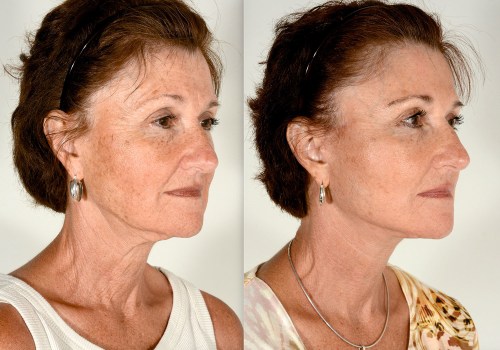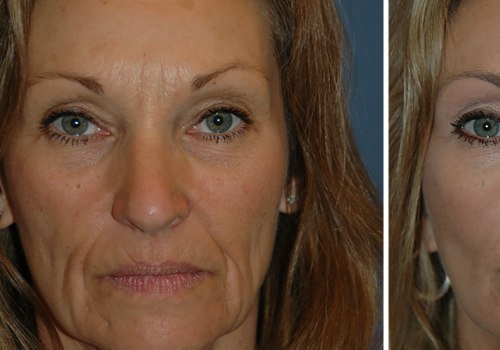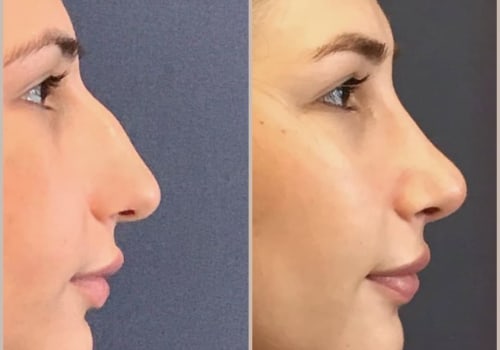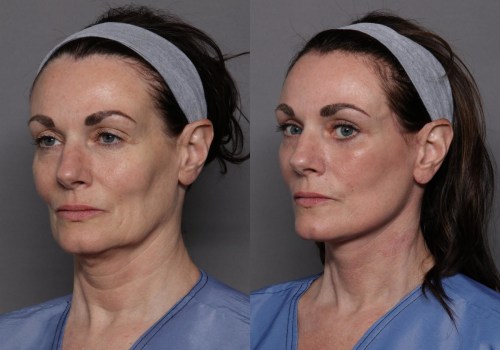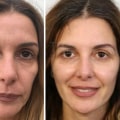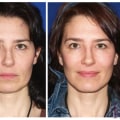
Face lift surgery, medically known as rhytidectomy, is a transformative cosmetic procedure designed to rejuvenate the facial appearance by addressing the visible signs of aging. As we age, our skin loses elasticity and volume, leading to sagging skin, deep creases, and a tired appearance. A face lift aims to counteract these effects by tightening the underlying muscles and removing excess skin, resulting in a more youthful and refreshed look.The benefits of undergoing a face lift extend beyond mere aesthetics. Many individuals report a significant boost in self-confidence following the procedure.
By restoring a more youthful contour to the face, patients often feel more comfortable in social situations and may even experience improvements in their professional lives. Furthermore, a face lift can be tailored to meet individual needs, allowing for a personalised approach that considers factors such as age, skin type, and specific areas of concern.Understanding how a face lift works is crucial for anyone considering this procedure. The surgery typically involves making incisions around the ears and hairline to minimise visible scarring. Once the incisions are made, the surgeon lifts and repositions the underlying tissues before removing any excess skin.
This meticulous process not only enhances facial contours but also provides long-lasting results that can significantly improve one’s overall appearance. It is important to note that while a face lift can effectively address sagging skin and deep folds, it does not treat fine lines or sun damage; therefore, many patients opt for complementary procedures such as eyelid surgery or dermal fillers to achieve comprehensive facial rejuvenation.
Types of Face Lift Procedures
When considering a facelift, it is essential to understand the various types of procedures available, as each offers unique benefits tailored to different needs and aesthetic goals. The primary categories of facelift procedures include traditional facelifts, mini facelifts, and non-surgical options.Traditional Facelift
A traditional facelift, also known as a full facelift or rhytidectomy, is designed to address significant signs of aging. This procedure involves making incisions around the hairline and extending down in front of the ears.The surgeon then lifts and tightens the underlying muscles and tissues, removes excess skin, and repositions the remaining skin for a smoother appearance. This method is particularly effective for individuals with pronounced sagging in the cheeks, jowls, and neck.
Mini Facelift
The mini facelift is a less invasive alternative that targets specific areas of the face, primarily the lower face and neck. It requires smaller incisions and is often performed under local anaesthesia with sedation. This procedure is ideal for younger patients or those with mild to moderate sagging who desire subtle improvements without the extensive recovery time associated with a full facelift.The results can be quite natural-looking, making it a popular choice for those seeking a refreshed appearance.
Non-Surgical Face Lift Options
For individuals hesitant about undergoing surgery, non-surgical facelift options have gained popularity due to their minimal downtime and lower risk. These treatments include:- Injectables: Dermal fillers and Botox can effectively reduce wrinkles and restore volume to areas such as the cheeks and temples.
- Thread Lifts: This technique involves inserting temporary sutures under the skin to lift and tighten sagging areas without invasive surgery.
- Ultrasound or Radiofrequency Treatments: These non-invasive methods use energy to stimulate collagen production, resulting in tighter skin over time.
Who is a Good Candidate for a Face Lift?
Determining whether you are a suitable candidate for a face lift involves several factors, including age, health status, and specific aesthetic goals. Understanding these criteria can help you make an informed decision about whether this surgical procedure is right for you.Age Considerations
While there is no strict age limit for undergoing a face lift, most candidates tend to be between the ages of 40 and 70.
This age range typically encompasses individuals who are beginning to notice significant signs of aging, such as:
- Sagging skin around the cheeks and jawline
- Deepening nasolabial folds (the lines running from the nose to the corners of the mouth)
- Loss of facial volume and elasticity
- Drooping skin around the neck and jowls
Health Factors
A good candidate for a face lift should be in overall good health. This includes:
- No serious medical conditions that could complicate surgery or recovery, such as heart disease or diabetes.
- A non-smoker or someone willing to quit smoking at least several weeks before and after the procedure, as smoking can impede healing.
- A realistic understanding of what a face lift can achieve. It is essential to have clear expectations regarding the outcomes of the surgery.
Mental and Emotional Readiness
Candidates should also be mentally prepared for the changes that come with surgery. This includes being open to discussing your goals with a qualified surgeon and understanding that while a face lift can significantly enhance your appearance, it is not a solution for all signs of aging or emotional issues.
Consultation with a Qualified Surgeon
The best way to determine your candidacy for a face lift is through a thorough consultation with a board-certified plastic surgeon.
They will evaluate your facial structure, skin condition, and overall health to provide tailored advice on whether this procedure aligns with your aesthetic goals.
The Face Lift Procedure: What to Expect
Undergoing a face lift can be a transformative experience, but understanding the procedure is crucial for anyone considering it. The journey begins long before the surgery itself, with several important steps to ensure a successful outcome.Pre-Operative Preparations
- Consultation: The first step involves a thorough consultation with a qualified plastic surgeon. During this meeting, you will discuss your goals, medical history, and any concerns you may have. The surgeon will evaluate your facial structure and skin condition to determine if you are a suitable candidate for a face lift.
- Pre-Surgery Instructions: Your surgeon will provide specific instructions to follow in the weeks leading up to the procedure.
This may include avoiding certain medications, such as blood thinners, and refraining from smoking to promote better healing.
- Planning the Surgery: Together with your surgeon, you will decide on the type of face lift that best suits your needs. Options may include a traditional face lift, mini face lift, or other variations tailored to address specific areas of concern.
The Face Lift Procedure
On the day of the surgery, you will arrive at the surgical facility where the procedure will take place. Here’s what typically happens:
- Anesthesia: You will be given either local anesthesia with sedation or general anesthesia, depending on the extent of your surgery and your surgeon's recommendation.
- Incisions: The surgeon will make incisions in discreet locations, often around the ears and hairline, to minimise visible scarring. The length and pattern of these incisions depend on the type of face lift being performed.
- Tightening and Lifting: Once the incisions are made, underlying tissues are repositioned and tightened.
Excess skin is removed to create a smoother and more youthful appearance.
- Suturing: After the adjustments are made, the incisions are carefully closed with sutures or staples. Your surgeon will ensure that they are placed in a way that reduces scarring.
Recovery from Face Lift Surgery
The recovery process is an essential part of your face lift journey. Here’s what you can expect:
- Initial Recovery: After surgery, you will be monitored in a recovery area until you are stable enough to go home. It’s common to experience swelling and bruising in the first few days.
- Follow-Up Appointments: Your surgeon will schedule follow-up visits to monitor your healing progress and remove sutures if necessary.
- Activity Restrictions: It’s important to avoid strenuous activities for several weeks post-surgery.
Most patients can return to work within two weeks, but full recovery may take several months as swelling subsides and final results become apparent.
Recovery and Aftercare Following a Face Lift
Recovering from a face lift is a crucial phase that significantly impacts the overall results of the procedure. Understanding the recovery timeline and adhering to aftercare guidelines can enhance healing and ensure optimal outcomes.Recovery Time
The initial recovery period typically spans about two weeks, during which most patients can return to their daily activities. However, complete healing may take several months. Here’s a general timeline of what to expect:
- First 24-48 hours: This period is critical as swelling and bruising will be at their peak.
Patients are advised to rest and keep their head elevated to minimise swelling.
- Week 1: Stitches or sutures are usually removed within the first week. Patients may still experience some discomfort, but this can often be managed with prescribed pain relief.
- Week 2: Many patients feel comfortable enough to return to work and social activities, although some residual swelling may persist.
- 1-3 months: The majority of swelling should subside, and the final results of the facelift will begin to emerge. Patients should continue to follow their surgeon's advice regarding physical activity.
- 6 months to 1 year: The full effects of the facelift become apparent as the skin settles into its new position.
Aftercare Tips
Managing Pain After a Face Lift
Here are strategies for managing pain effectively:
- Pain medication: Take prescribed pain relief medications as directed by your surgeon. Over-the-counter options may also be recommended once initial pain subsides.
- Rest: Ensure you get plenty of rest, as this aids in recovery and helps manage pain levels.
- Avoid alcohol and smoking: Both can impede healing and exacerbate discomfort, so it’s best to avoid them during recovery.
Potential Risks and Complications of Face Lift Surgery
While a facelift can significantly enhance one’s appearance, it is essential to be aware of the potential risks and complications associated with the procedure. Understanding these factors can help prospective patients make informed decisions and prepare adequately for their surgery.One of the most common concerns regarding facelift surgery is the risk of infection. Although rare, infections can occur at the surgical site, leading to complications that may require additional treatment.Patients are advised to follow their surgeon's pre-operative and post-operative care instructions meticulously to minimise this risk.Another potential complication is scarring. While skilled surgeons aim to place incisions in discreet locations, some patients may experience noticeable scars. The extent of scarring can vary based on individual healing processes and skin types. It is crucial to discuss scar management techniques with your surgeon before undergoing the procedure.
Hematoma
, or blood accumulation under the skin, is another risk associated with facelift surgery.
This condition can lead to swelling and discomfort, sometimes necessitating further surgical intervention to drain the accumulated blood. Patients should be aware of signs such as excessive swelling or bruising and report these to their surgeon promptly.
Nerve damage
is a rare but serious complication that can occur during facelift surgery. This may result in temporary or permanent changes in sensation or movement in the facial area. While most patients recover fully, it is vital to discuss this risk with your surgeon and understand the likelihood based on your specific case.Additionally, some patients may experience asymmetry after surgery, where one side of the face appears different from the other.
This can be due to swelling or uneven healing but may also require corrective procedures if significant discrepancies arise.Lastly, it is important to consider the psychological impact of undergoing a facelift. Some individuals may have unrealistic expectations about the results, leading to dissatisfaction post-surgery. Engaging in thorough consultations with a qualified surgeon can help align expectations with achievable outcomes.In summary, while facelift surgery offers numerous benefits, it is not without its risks. Prospective patients should engage in open discussions with their healthcare providers about these potential complications and ensure they are well-informed before proceeding with surgery.
Comparing Face Lifts with Other Cosmetic Procedures
When considering facial rejuvenation, many individuals find themselves weighing the benefits of a face lift against other cosmetic procedures.Understanding the differences between these options is crucial for making an informed decision that aligns with your aesthetic goals.
Face Lift vs Fillers
Face lifts and dermal fillers serve different purposes in the realm of cosmetic enhancement. A facelift is a surgical procedure designed to address significant sagging and loss of elasticity in the skin, typically resulting from aging. It provides long-lasting results by tightening underlying muscles and removing excess skin.In contrast, dermal fillers are non-surgical injectables that add volume to specific areas of the face, such as the cheeks or lips. They can effectively smooth out fine lines and wrinkles but do not address sagging skin.Fillers are often seen as a temporary solution, with results lasting from six months to two years, depending on the type used.
Alternatives to Face Lifts
For those hesitant about undergoing surgery, there are several alternatives to a traditional facelift. These options include:- Thread Lifts: This minimally invasive procedure uses sutures to lift and tighten the skin without extensive surgery.
- Ultherapy: Utilising ultrasound technology, Ultherapy stimulates collagen production deep within the skin, resulting in a natural lifting effect over time.
- Laser Treatments: Laser resurfacing can improve skin texture and tone while promoting collagen growth, making it an excellent option for those with mild sagging.
Non-Surgical Facial Rejuvenation Options
The rise of non-surgical options has transformed the landscape of facial rejuvenation. Procedures such as chemical peels and microdermabrasion can enhance skin quality by removing dead skin cells and promoting new cell growth. Additionally, Botox injections can temporarily relax facial muscles, reducing the appearance of dynamic wrinkles.Ultimately, the choice between a facelift and other cosmetic procedures depends on individual needs, desired outcomes, and personal preferences.Consulting with a qualified cosmetic surgeon or dermatologist can provide valuable insights tailored to your unique situation, ensuring you select the most appropriate treatment for achieving your aesthetic goals.
Cost of Face Lift Surgery: What You Need to Know
When considering a face lift in the UK, understanding the financial implications is crucial. The cost of face lift surgery can vary significantly based on several factors, including the surgeon's expertise, the complexity of the procedure, and the location of the clinic.On average, patients can expect to pay between £7,000 and £15,000 for a facelift. This price range typically includes pre-operative consultations, the surgery itself, and post-operative follow-ups. However, additional costs may arise depending on individual circumstances.For instance, if you opt for complementary procedures such as eyelid surgery or a brow lift, this will increase the overall expense.
Financing Options for Facelift Surgery
Many clinics offer financing options to help manage the cost of a facelift. These plans can make the procedure more accessible by allowing patients to pay in instalments rather than a lump sum. Here are some common financing options:- Payment Plans: Many cosmetic surgery clinics provide tailored payment plans that allow you to spread the cost over several months or years.
- Medical Credit Cards: Some patients choose to use medical credit cards specifically designed for healthcare expenses, which often come with promotional interest rates.
- Personal Loans: Obtaining a personal loan from a bank or financial institution can also be an option for funding your facelift.
Insurance Coverage for Facelift Surgery
In general, most health insurance plans do not cover cosmetic procedures like facelifts unless they are deemed medically necessary. For example, if sagging skin is obstructing your vision or causing other health issues, there may be grounds for insurance coverage.It is essential to consult with your insurance provider to understand your policy's specifics and any potential coverage options.Ultimately, planning for a facelift involves not only understanding the costs but also exploring financing options and insurance considerations. By doing thorough research and consulting with qualified professionals, you can make informed decisions that align with your financial situation and aesthetic goals.
Conclusion: Making an Informed Decision About Your Face Lift Journey
As you contemplate the possibility of undergoing a face lift, it is essential to synthesise the information presented throughout this article. A face lift can be a transformative procedure, offering a rejuvenated appearance and enhanced self-confidence. However, it is crucial to approach this decision with careful consideration and thorough understanding.Firstly, it is important to recognise that a face lift is not a one-size-fits-all solution.Each individual has unique facial structures, skin types, and personal aesthetic goals. Therefore, consulting with a qualified and experienced plastic surgeon is paramount. They can provide tailored advice based on your specific needs and help you set realistic expectations regarding the outcomes of the surgery.Moreover, understanding the different types of face lift procedures available is vital. From traditional full facelifts to less invasive options like mini facelifts or non-surgical alternatives, each method has its own benefits and limitations.
Discussing these options with your surgeon will enable you to make an informed choice that aligns with your desired results.Additionally, consider the recovery process associated with a face lift. While many patients return to their daily routines within two weeks, the healing time can vary significantly based on individual circumstances and the extent of the surgery performed. Being prepared for this recovery phase will help you manage your expectations and plan accordingly.Finally, reflect on your motivations for seeking a face lift. Whether it’s to combat signs of aging or to enhance your overall appearance, ensure that your decision stems from personal desire rather than external pressures.
A successful outcome relies not only on the surgical procedure itself but also on your mental readiness and commitment to the process.In conclusion, embarking on a face lift journey requires careful thought and consideration. By educating yourself about the procedure, consulting with professionals, and reflecting on your personal motivations, you can make an informed decision that leads to satisfying results and renewed confidence.