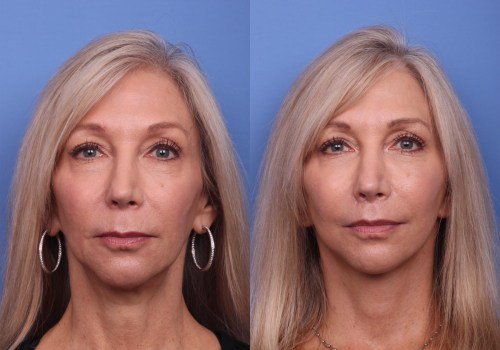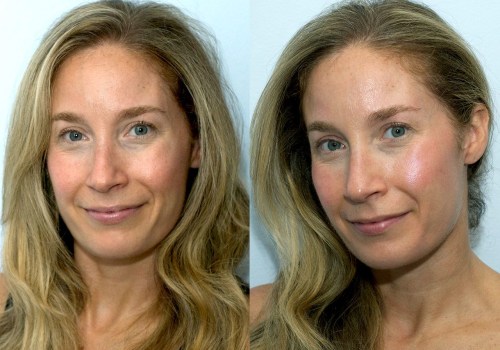
In the ever-evolving world of cosmetic surgery , the quest for youthful vitality has led to the rise of various procedures aimed at facial rejuvenation. Among these, the mini faceliftmini facelift has gained significant popularity due to its less invasive nature and quicker recovery times compared to traditional facelifts. This procedure is designed to address early signs of aging, such as sagging skin and loss of definition in the jawline, making it an appealing option for those seeking subtle yet effective enhancements.The mini facelift is particularly relevant in today’s society, where maintaining a youthful appearance is often associated with confidence and vitality. As individuals age, they may notice changes in their facial structure that can affect their self-esteem.
The mini facelift offers a solution that not only improves physical appearance but also boosts emotional well-being. By targeting specific areas of concern, this procedure allows patients to achieve a refreshed look without the extensive downtime typically associated with more invasive surgeries.Furthermore, the mini facelift is tailored for those who may not require the comprehensive results of a full facelift but still desire noticeable improvements. It is ideal for individuals in their 30s to 50s who are beginning to experience signs of aging but are not yet ready for a more extensive surgical intervention. This procedure can be performed under local anaesthesia, allowing patients to return home on the same day, which adds to its appeal.As we delve deeper into the intricacies of mini facelifts, it is essential to understand not only how they work but also who can benefit from them.
By exploring the various aspects of this procedure, including its benefits, limitations, and recovery process, we aim to provide a comprehensive overview that empowers potential candidates to make informed decisions about their cosmetic journey.
What is a Mini Facelift?
A mini facelift , often referred to as a limited incision facelift, is a cosmetic surgical procedure designed to provide a more youthful appearance by addressing signs of aging in the lower face. Unlike a traditional facelift, which involves extensive incisions and a more comprehensive approach to facial rejuvenation, a mini facelift focuses on specific areas, primarily the jawline and cheeks, using smaller incisions that are typically hidden within the natural contours of the ear.The primary aim of a mini facelift is to tighten sagging skin and reduce the appearance of jowls, offering patients a refreshed look without the extensive recovery time associated with more invasive procedures. This makes it an appealing option for individuals who may not require the full extent of a traditional facelift but still wish to enhance their facial aesthetics.One of the key differences between a mini facelift and its traditional counterpart lies in the technique employed. A mini facelift generally involves:- Smaller Incisions: The incisions made during a mini facelift are significantly shorter, often only a few inches long, which can lead to less visible scarring.
- Local Anesthesia: Many patients can undergo this procedure under local anesthesia with sedation, reducing the risks associated with general anesthesia.
- Targeted Areas: While a traditional facelift addresses both the lower face and neck, a mini facelift primarily focuses on the lower face, making it less suitable for those with significant neck sagging.
However, it is essential to understand that while the results can be quite satisfying, they may not last as long as those achieved through a traditional facelift. Typically, the effects of a mini facelift can last anywhere from three to five years, depending on individual factors such as skin type and lifestyle.Ultimately, choosing between a mini facelift and a traditional facelift depends on various factors including age, skin condition, and personal aesthetic goals. Consulting with a qualified cosmetic surgeon is crucial to determine which procedure aligns best with your needs and expectations.
The Procedure: Step-by-Step Breakdown
Understanding the mini facelift procedure is crucial for anyone considering this cosmetic surgery. The process can be broken down into three main phases: pre-operative preparations, the surgical procedure itself, and post-operative care.Pre-Operative Preparations
Before undergoing a mini facelift, patients should have a thorough consultation with their chosen surgeon.This initial meeting is vital for discussing individual goals, medical history, and any potential risks associated with the procedure. During this consultation, the surgeon will:
- Evaluate the patient's facial structure and skin elasticity.
- Discuss the expected outcomes and set realistic goals.
- Provide instructions on how to prepare for surgery, which may include avoiding certain medications, smoking cessation, and dietary adjustments.
The Surgical Procedure
The actual mini facelift typically takes about one to two hours and is performed under local anaesthesia with sedation. Here’s a step-by-step breakdown of what happens during the surgery:- Anesthesia Administration: The surgeon will administer local anaesthesia to numb the area while sedation helps keep the patient relaxed.
- Incision Creation: Small incisions are made, usually around the ears or within the hairline. These incisions are strategically placed to minimise visible scarring.
- Tightening of Underlying Tissues: The surgeon gently lifts and repositions the underlying tissues to create a more youthful contour.
This step is crucial for achieving natural-looking results.
- Excess Skin Removal: Any excess skin is trimmed away to eliminate sagging and improve overall facial appearance.
- Suturing: The incisions are then closed with sutures or skin adhesive, ensuring that they heal well and remain discreet.
Post-Operative Care
After the procedure, patients will be monitored for a short period before being allowed to go home. Post-operative care is essential for optimal recovery and includes:- Following all post-surgery instructions provided by the surgeon.
- Avoiding strenuous activities for at least two weeks.
- Keeping the head elevated while resting to reduce swelling.
- Scheduling follow-up appointments to monitor healing progress.
Benefits of a Mini Facelift
When considering facial rejuvenation, many individuals are drawn to the mini facelift due to its numerous advantages. This less invasive procedure offers a range of benefits that can significantly enhance a patient’s experience and satisfaction.Shorter Recovery Time
One of the most appealing aspects of a mini facelift is the shorter recovery time. Unlike traditional facelifts, which can require several weeks for full recovery, a mini facelift typically allows patients to return to their normal activities within just a few days.
This is largely due to the smaller incisions used during the procedure, which result in less trauma to the surrounding tissues. Patients often report feeling comfortable enough to resume light activities within a week, making it an ideal option for those with busy lifestyles.
Less Invasive Procedure
The mini facelift is designed to be less invasive than its traditional counterpart. This means that patients experience less discomfort during and after the procedure. The use of local anaesthesia with sedation further contributes to a more pleasant surgical experience, as patients remain awake but relaxed throughout the process.
This approach not only enhances comfort but also reduces the risks associated with general anaesthesia.
Cost-Effectiveness
Another significant benefit of opting for a mini facelift is its lower cost. Because the procedure is less complex and requires less time in the operating room, it generally comes at a more affordable price point compared to traditional facelifts. For individuals seeking facial rejuvenation without breaking the bank, this can be an attractive option.
Natural-Looking Results
A mini facelift can provide subtle yet effective results that enhance one’s natural beauty. The procedure focuses on lifting and tightening specific areas of the face, such as the cheeks and jawline, without creating an overly tight or artificial appearance.
Many patients appreciate this natural look, as it allows them to maintain their unique facial characteristics while still achieving a more youthful appearance.
Boost in Confidence
Finally, one of the most profound benefits of undergoing a mini facelift is the boost in self-confidence that often follows. Many patients report feeling rejuvenated and more self-assured after their procedure. This newfound confidence can positively impact various aspects of life, from personal relationships to professional opportunities.In summary, the benefits of a mini facelift are compelling for those considering facial rejuvenation. With shorter recovery times, reduced invasiveness, lower costs, natural-looking results, and enhanced self-esteem, it’s no wonder that many individuals are choosing this option as a means to refresh their appearance.
Drawbacks and Limitations of Mini Facelifts
While a mini facelift can offer several advantages, it is essential to consider the drawbacks and limitations associated with this procedure.Understanding these factors can help potential patients set realistic expectations and make informed decisions about their cosmetic goals.One of the primary limitations of a mini facelift is its scope of correction. Unlike a traditional facelift, which addresses a broader range of facial areas, a mini facelift primarily focuses on the lower face. This means that while it can effectively tighten sagging skin around the jawline and cheeks, it may not adequately address issues in the neck or upper face. Patients with significant neck sagging or pronounced wrinkles around the eyes may find that a mini facelift does not provide the comprehensive results they desire.Another important consideration is the longevity of results.
Although a mini facelift can yield noticeable improvements, the effects typically do not last as long as those from a traditional facelift. While some patients may enjoy their results for several years, others might find that they need additional procedures sooner than expected. This could lead to increased costs over time, as multiple surgeries may be required to maintain the desired appearance.
Recovery time
, while generally shorter than that of a traditional facelift, can still vary significantly among individuals. Some patients may experience swelling, bruising, or discomfort that lasts longer than anticipated.
Additionally, while many individuals return to their daily activities within a week or two, others may require more time for complete healing. It is crucial for patients to understand that recovery experiences can differ widely.Furthermore, there are inherent surgical risks associated with any cosmetic procedure, including mini facelifts. Potential complications such as bleeding, infection, and scarring can occur. Although these risks are relatively low when performed by an experienced surgeon, they are still factors that should be carefully considered.Lastly, patient expectations play a significant role in satisfaction with the results.
Some individuals may have unrealistic ideas about what a mini facelift can achieve. It is vital for patients to engage in thorough consultations with their surgeons to discuss their goals and understand what is realistically achievable through this procedure.In summary, while mini facelifts can be an appealing option for those seeking facial rejuvenation with less downtime and cost, it is essential to weigh these drawbacks and limitations against personal aesthetic goals. A comprehensive understanding will empower patients to make choices that align with their expectations and desired outcomes.
Who is an Ideal Candidate for a Mini Facelift?
Determining whether a mini facelift is the right choice for you involves understanding the specific characteristics that make an individual an ideal candidate for this procedure. While many people may consider a facelift, not everyone is suitable for a mini facelift.Here are some key factors to consider:
- Age and Skin Elasticity: Generally, individuals aged between 30 and 60 years old are prime candidates for a mini facelift. At this age, skin elasticity is often still sufficient to achieve desirable results. However, those with significant sagging or loose skin may not benefit as much from this less invasive option.
- Targeted Areas of Concern: A mini facelift primarily addresses the lower face, including the jawline and cheeks. Candidates should have specific concerns in these areas, such as mild to moderate sagging or jowls.
If your primary concern includes the neck or upper face, a traditional facelift may be more appropriate.
- Overall Health: Ideal candidates should be in good overall health, without any underlying medical conditions that could complicate surgery or recovery. Conditions such as uncontrolled diabetes or heart disease may increase surgical risks.
- Realistic Expectations: It is crucial for candidates to have realistic expectations regarding the outcomes of a mini facelift. While it can provide noticeable improvements, it will not deliver the same dramatic results as a traditional facelift. Understanding this distinction helps ensure satisfaction with the results.
- Non-Smoker: Smoking can significantly impede healing and increase the risk of complications during and after surgery.
Candidates who do not smoke or are willing to quit prior to surgery are generally more suitable for a mini facelift.
- Mild to Moderate Signs of Ageing: Those who exhibit early signs of ageing, such as fine lines and slight sagging, are often ideal candidates. A mini facelift can effectively rejuvenate their appearance without the need for more extensive procedures.
Recovery Process: What to Expect After Surgery
Undergoing a mini facelift can be an exciting journey towards rejuvenating your appearance, but understanding the recovery process is crucial for a smooth transition back to your daily routine. The recovery time after a mini facelift is generally shorter than that of a traditional facelift, but it still requires careful attention and adherence to post-operative care guidelines.Typically, patients can expect to return home on the same day as the surgery, often within a few hours after the procedure.Initial recovery usually spans about one to two weeks, during which swelling and bruising are most pronounced. Here’s what you can expect during this period:
- First 24-48 Hours: After surgery, you may experience some discomfort, swelling, and bruising. It’s advisable to keep your head elevated to minimise swelling and apply cold compresses as directed by your surgeon.
- Week One: Most patients find that they can return to light activities within a week. However, strenuous exercise and heavy lifting should be avoided.
Stitches or sutures are typically removed within this timeframe.
- Weeks Two to Four: By the end of two weeks, many patients feel comfortable enough to resume normal activities, including work. However, complete healing may take several weeks, with residual swelling gradually subsiding over time.
Post-Operative Care
Recovery Tips
To enhance your recovery experience, consider these additional tips:
- Rest: Ensure you get adequate rest during the initial recovery phase.
Your body needs time to heal.
- Gentle Movement: Engage in light walking as soon as you feel able; this promotes circulation without straining your body.
- Monitor for Complications: Be vigilant for any signs of infection or unusual symptoms such as excessive bleeding or severe pain. Contact your surgeon immediately if you have concerns.
Choosing the Right Surgeon for Your Mini Facelift
When considering a mini facelift, one of the most critical decisions you will make is selecting the right surgeon. The success of your procedure largely depends on the expertise and experience of the surgeon you choose.Here are some essential factors to consider when searching for a qualified plastic surgeon.
- Board Certification: Ensure that your surgeon is board-certified in plastic surgery. This certification indicates that they have undergone rigorous training and adhere to high standards of practice.
- Experience with Mini Facelifts: Not all plastic surgeons specialise in mini facelifts. Look for a surgeon who has extensive experience specifically with this procedure. Ask how many mini facelifts they have performed and request to see before-and-after photos of previous patients.
- Hospital Privileges: Verify that your surgeon has privileges to perform surgery at accredited hospitals.
This is an important indicator of their qualifications and the quality of care you can expect.
- Patient Reviews: Research online reviews and testimonials from previous patients. Positive feedback can provide insight into the surgeon's skills, bedside manner, and overall patient satisfaction.
- Consultation: Schedule a consultation to discuss your goals and concerns. This meeting allows you to assess the surgeon's communication style, willingness to answer questions, and overall approach to patient care.
A welcoming environment with a supportive staff can significantly enhance your experience. Remember, this is not just a medical procedure; it’s also about your comfort and peace of mind throughout the process.Ultimately, choosing a qualified plastic surgeon for your mini facelift is paramount for achieving satisfactory results. Take your time in making this decision, as it can greatly influence both your safety and satisfaction with the outcome.
Frequently Asked Questions About Mini Facelifts
When considering a mini facelift, potential patients often have numerous questions. Addressing these inquiries can provide clarity and assist individuals in making informed decisions about their cosmetic journey.Below are some of the most frequently asked questions regarding mini facelifts.
- What is the difference between a mini facelift and a traditional facelift?
A mini facelift, also known as a limited incision facelift, is designed to target specific areas of the face, primarily the lower region, to achieve subtle rejuvenation. In contrast, a traditional facelift involves more extensive incisions and addresses a broader range of facial concerns, including the neck area. The mini facelift is less invasive, resulting in shorter recovery times and minimal scarring, while the traditional facelift typically offers more dramatic and longer-lasting results. - How long do results last?
The longevity of results from a mini facelift can vary significantly among individuals. Generally, patients can expect to enjoy their enhanced appearance for approximately three to five years.Factors such as skin type, age, lifestyle choices, and overall health can influence how long the results last. While a traditional facelift may provide results for up to ten years or more, it is essential for patients to maintain realistic expectations regarding the duration of their mini facelift outcomes.
- Are there any risks involved?
As with any surgical procedure, a mini facelift carries certain risks. Common complications may include bleeding, infection, scarring, and temporary numbness in the treated areas. However, these risks can be minimised by selecting a qualified and experienced surgeon who adheres to strict safety protocols.It is crucial for patients to discuss their medical history and any concerns with their surgeon during the consultation process to ensure they are well-informed about potential risks.
<strong>Conclusion</strong>
In conclusion, the mini facelift presents a viable option for individuals seeking to enhance their facial appearance with less invasive techniques compared to traditional facelifts. Throughout this article, we have explored various aspects of mini facelifts, highlighting their benefits, drawbacks, and the importance of choosing a qualified surgeon.To summarise the key points discussed:- Less Invasive Procedure: A mini facelift involves smaller incisions and typically requires only local anaesthesia, making it a less daunting option for many patients.
- Shorter Recovery Time: Patients can expect a quicker return to their daily activities, often within a week, which is a significant advantage for those with busy lifestyles.
- Cost-Effectiveness: Generally, the cost of a mini facelift is lower than that of a traditional facelift due to its less complex nature and reduced operating time.
- Limited Longevity: While the results can be impressive, they may not last as long as those achieved through a traditional facelift, necessitating potential future procedures.
- Targeted Results: This procedure primarily addresses the lower face and may not be suitable for individuals with significant neck sagging or those seeking comprehensive facial rejuvenation.
Consulting with an experienced surgeon can provide tailored advice and realistic expectations based on your unique facial structure and desired outcomes.Ultimately, cosmetic surgery is a personal journey that should be approached with careful consideration. Whether you opt for a mini facelift or another procedure, prioritising your health and well-being is paramount. Take the time to research, ask questions, and ensure that you are fully informed before proceeding with any surgical intervention.