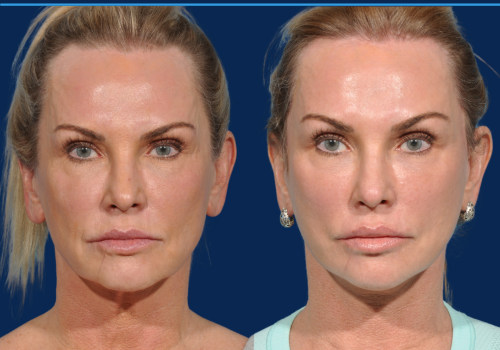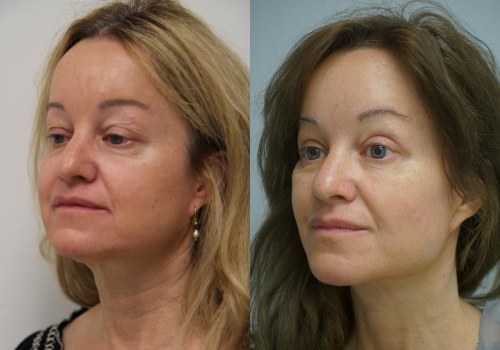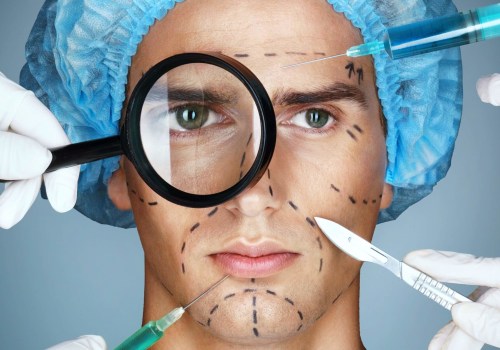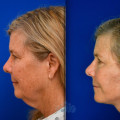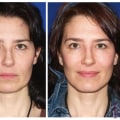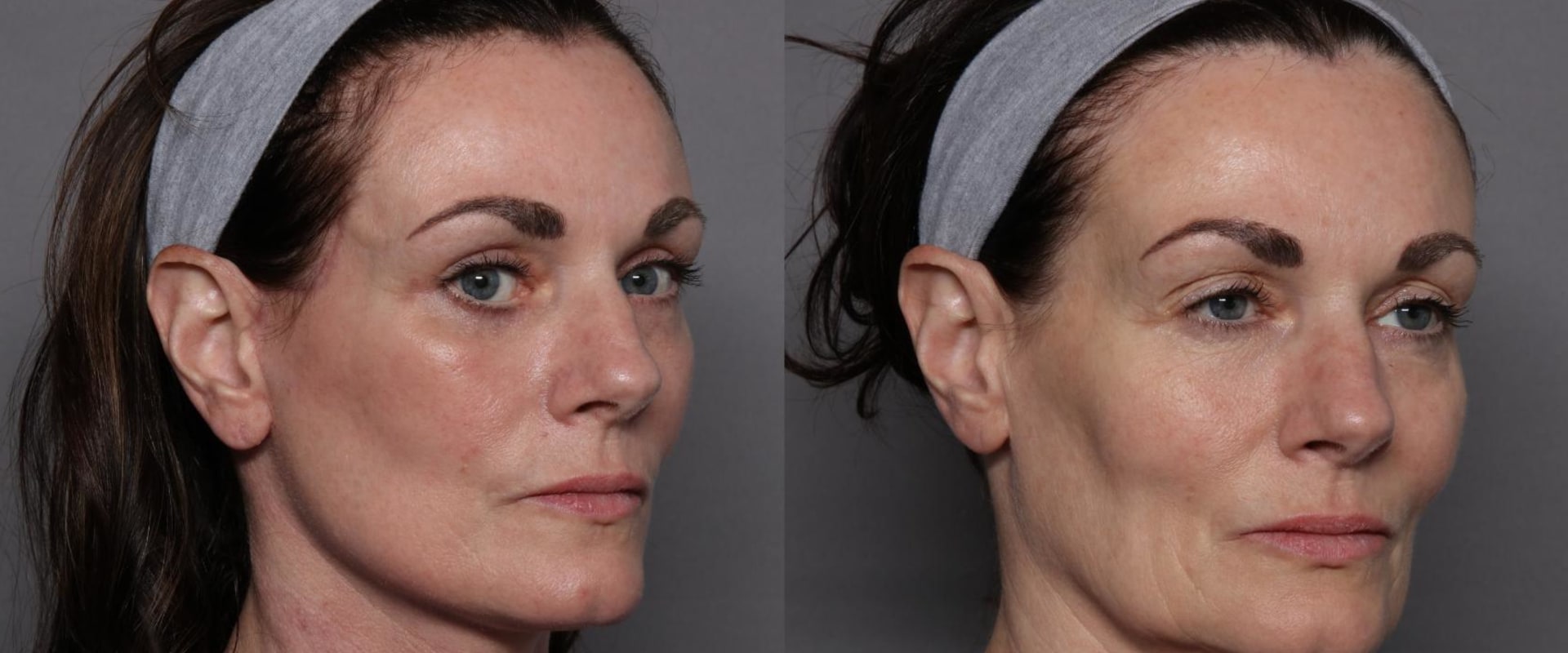
A facelift, or rhytidectomy, is a surgical procedure designed to create a more youthful appearance by addressing the visible signs of aging in the face and neck. As we age, our skin loses elasticity, leading to sagging, wrinkles, and a less defined jawline. A facelift aims to counteract these effects by tightening the underlying muscles and removing excess skin, resulting in a smoother and more contoured facial profile.There are several types of facelifts available, each tailored to meet the specific needs and concerns of the individual. The most common types include the traditional facelift, which addresses the lower two-thirds of the face; the mini facelift, which is less invasive and focuses on minor sagging; and the deep-plane facelift, which targets deeper layers of tissue for longer-lasting results.
Understanding these variations is crucial for anyone considering this transformative procedure, as each type offers different benefits and recovery times.In addition to enhancing aesthetic appeal, facelifts can significantly boost self-confidence and improve overall quality of life. Many individuals report feeling rejuvenated and more vibrant after undergoing this procedure. However, it is essential to approach a facelift with realistic expectations and a thorough understanding of what the surgery entails. Consulting with a qualified plastic surgeon can provide valuable insights into the best options available based on individual facial structure and desired outcomes.
The Evolution of Facelift Techniques
The journey of facelift techniques has been a remarkable one, evolving significantly since their inception in the early 20th century.Initially, facelifts were rudimentary, focusing primarily on tightening the skin without addressing the underlying structures of the face. This often resulted in unnatural appearances and limited longevity of results.In the 1920s, the first documented facelift was performed by Dr. Erich Lexer , who introduced the concept of skin excision to improve facial contours. However, it wasn't until the 1970s that more sophisticated methods began to emerge.
Surgeons started to recognise the importance of not just lifting the skin but also repositioning deeper tissues, leading to what is now known as the SMAS facelift (Superficial Muscular Aponeurotic System). This technique allowed for more natural results and improved durability.As we moved into the late 20th century, advancements in surgical techniques and technology further transformed facelift procedures. The introduction of endoscopic techniques in the 1990s marked a significant milestone. By using smaller incisions and a camera to guide the surgery, surgeons could achieve impressive results with reduced scarring and recovery time.Today, one of the most notable advancements is the deep-plane facelift.
This technique goes beyond traditional methods by addressing not only the SMAS layer but also the deeper facial structures. By lifting and repositioning these layers, surgeons can achieve a more youthful appearance that lasts significantly longer—often up to 15 years—compared to earlier techniques.Moreover, modern facelifts are increasingly tailored to individual patient needs, with surgeons employing a variety of techniques based on factors such as age, skin type, and desired outcomes. This personalised approach has led to improved patient satisfaction and outcomes.In conclusion, the evolution of facelift techniques reflects a broader understanding of facial anatomy and aesthetics. From early skin-tightening methods to advanced deep-plane procedures, each advancement has contributed to safer surgeries with more natural-looking results.
As technology continues to progress, we can expect even more innovative approaches that will further enhance patient experiences and outcomes in facial rejuvenation.
Deep-Plane Facelift: The Gold Standard
The deep-plane facelift is increasingly recognised as the gold standard in facial rejuvenation, primarily due to its innovative approach that addresses the underlying structures of the face. Unlike traditional facelift techniques, which often focus on tightening the skin alone, the deep-plane facelift operates at a deeper anatomical level, targeting the superficial musculoaponeurotic system (SMAS) and other supportive tissues. This method allows for a more comprehensive lift, resulting in a more natural and enduring outcome.One of the key benefits of the deep-plane facelift is its ability to provide long-lasting results. By repositioning not just the skin but also the deeper layers of tissue, this technique effectively restores volume and contour to areas that have sagged due to aging.Patients often report a rejuvenated appearance that can last anywhere from 10 to 15 years , significantly longer than what is typically achieved with traditional facelifts.Moreover, the deep-plane technique minimises tension on the skin, which reduces the risk of complications such as scarring and unnatural tightness. The results are not only aesthetically pleasing but also maintain a sense of movement and expression, allowing individuals to look refreshed without appearing overly pulled or artificial.When comparing the deep-plane facelift to traditional methods, several distinctions become apparent:
- Technique: Traditional facelifts often involve lifting and tightening only the skin, which can lead to a tight appearance. In contrast, deep-plane facelifts reposition deeper tissues for a more harmonious result.
- Longevity: As mentioned earlier, deep-plane facelifts tend to offer longer-lasting results due to their comprehensive approach.
- Recovery: While recovery times can vary, many patients find that they experience less postoperative discomfort with a deep-plane facelift compared to traditional techniques.
For anyone considering facial surgery, understanding these differences is crucial in making an informed decision about their cosmetic journey.
Factors Influencing Longevity of Facelift Results
When considering the longevity of facelift results, several key factors come into play. Understanding these elements can help individuals make informed decisions and set realistic expectations for their surgical outcomes.Age
is one of the most significant factors influencing how long facelift results last. As we age, our skin naturally loses elasticity and collagen, which can affect the durability of surgical results. Younger patients often experience longer-lasting effects due to their skin's inherent resilience and ability to recover from surgical trauma.
Skin Type
also plays a crucial role.
Individuals with thicker skin may find that their facelift results endure longer than those with thinner skin, which is more prone to sagging and wrinkles. Additionally, skin that has been well cared for—through proper hydration, sun protection, and skincare routines—tends to respond better to surgical interventions.
Lifestyle Choices
significantly impact the longevity of facelift results. Factors such as smoking, excessive alcohol consumption, and poor diet can accelerate the aging process of the skin. Smoking, in particular, reduces blood flow to the skin, impairing healing and leading to premature aging.
Conversely, a balanced diet rich in antioxidants can promote skin health and enhance recovery post-surgery.
Sun Exposure
is another critical consideration. Prolonged exposure to UV rays can lead to skin damage and accelerate the aging process. Patients are advised to use high-SPF sunscreen and limit sun exposure after their facelift to protect their investment in their appearance.
Post-Operative Care
is essential for maintaining facelift results. Following the surgeon's aftercare instructions diligently can significantly influence healing and the final outcome.
This includes managing swelling, avoiding strenuous activities, and attending follow-up appointments.Lastly, genetics cannot be overlooked. Family history of aging patterns can provide insight into how an individual's skin may respond over time. Those with a family history of youthful appearances may enjoy longer-lasting results from their facelift.In summary, while a facelift can provide remarkable improvements in facial aesthetics, its longevity is influenced by a combination of age, skin type, lifestyle choices, sun exposure, post-operative care, and genetic factors. By understanding these influences, individuals can take proactive steps to enhance and maintain their facelift results for years to come.
Post-Operative Care: Ensuring Lasting Results
Undergoing a facelift is a significant decision, and the post-operative care you provide yourself is crucial for achieving the best possible results.Proper recovery not only enhances the longevity of your facelift but also ensures that you feel comfortable and confident during the healing process. Here are some essential tips to help you navigate your recovery effectively.
- Follow Your Surgeon’s Instructions: Your surgeon will provide specific guidelines tailored to your individual needs. Adhering to these instructions is vital for a smooth recovery. This may include medication schedules, wound care, and follow-up appointments.
- Manage Swelling and Bruising: It’s common to experience swelling and bruising after a facelift.
To minimise these effects, keep your head elevated while resting, use cold compresses as recommended, and avoid strenuous activities that could exacerbate swelling.
- Stay Hydrated: Drinking plenty of water aids in the healing process. Hydration helps reduce swelling and supports overall recovery. Aim for at least 8-10 glasses of water daily, unless otherwise advised by your surgeon.
- Nutrition Matters: A balanced diet rich in vitamins and minerals can significantly impact your recovery. Focus on consuming foods high in protein, such as lean meats, fish, eggs, and legumes, as well as fruits and vegetables that are rich in antioxidants.
- Avoid Smoking and Alcohol: Both smoking and alcohol can hinder the healing process.
Nicotine constricts blood vessels, reducing blood flow to healing tissues, while alcohol can lead to dehydration. It’s advisable to refrain from these substances for at least a few weeks post-surgery.
- Gentle Skin Care: After your facelift, your skin will be sensitive. Use gentle cleansers and moisturisers as recommended by your surgeon. Avoid products with harsh chemicals or exfoliants until your skin has fully healed.
- Sun Protection: Protecting your skin from sun exposure is crucial during recovery.
Use a broad-spectrum sunscreen with an SPF of at least 30 whenever you go outside, even on cloudy days. Wearing a wide-brimmed hat can also provide additional protection.
- Monitor Your Healing: Keep an eye on your incisions for any signs of infection, such as increased redness, swelling, or discharge. If you notice any concerning symptoms, contact your surgeon immediately.
Common Myths About Facelifts Debunked
When considering a facelift, many potential patients are often influenced by myths and misconceptions that can cloud their understanding of the procedure.It is essential to separate fact from fiction to make informed decisions about facial rejuvenation. Here, we debunk some of the most common myths surrounding facelifts.
- Myth 1: Facelifts are only for older individuals.
While facelifts are commonly associated with older adults, younger individuals can also benefit from the procedure. Factors such as genetics, lifestyle, and environmental influences can lead to premature signs of aging. A facelift can be a proactive measure for those in their 30s or 40s who wish to maintain a youthful appearance. - Myth 2: Facelifts provide an unnatural look.
One of the most significant concerns is that facelifts will result in a "pulled" or unnatural appearance.However, when performed by a skilled surgeon using advanced techniques, such as the deep-plane facelift, results can be remarkably natural-looking. The goal is to enhance one’s features while maintaining individuality.
- Myth 3: Recovery from a facelift is excessively painful.
While some discomfort is expected post-surgery, advancements in surgical techniques and pain management have significantly improved the recovery experience. Most patients report manageable pain levels and are often surprised by how quickly they can return to their daily activities. - Myth 4: Facelifts are permanent solutions.
Although a facelift can provide long-lasting results, it does not stop the aging process. Factors such as sun exposure, lifestyle choices, and genetics will continue to affect skin elasticity over time.Typically, results can last between 10 to 15 years, but maintenance treatments may be necessary to prolong the effects.
- Myth 5: All facelifts are the same.
There are various types of facelift techniques tailored to individual needs. From traditional facelifts to less invasive options like mini-facelifts or non-surgical alternatives, understanding the differences is crucial in choosing the right procedure for your goals.
Real Patient Experiences: Testimonials and Case Studies
Understanding the impact of a facelift goes beyond the surgical procedure itself; it encompasses the personal journeys of those who have undergone this transformative experience. Real patient testimonials and case studies provide invaluable insights into the emotional and physical changes that accompany a facelift.Patient Testimonial: Sarah, 52
After years of feeling self-conscious about her sagging skin and deepening wrinkles, Sarah decided to pursue a facelift.
"I was hesitant at first, but after my consultation, I felt reassured by the surgeon's expertise. The procedure was less daunting than I expected, and the recovery was manageable. I noticed a significant difference in my appearance almost immediately, and my confidence has soared since then!" Sarah's experience highlights the importance of thorough consultations and realistic expectations.
Case Study: John, 60
John's case is particularly noteworthy as he underwent a deep-plane facelift combined with neck lift surgery. His primary concern was the loose skin around his jawline.
"I wanted to look as youthful as I felt inside," he shared. Post-surgery, John reported that friends and family noticed his revitalised appearance without being able to pinpoint exactly what had changed. "It’s like I’ve turned back the clock!" His case illustrates how a well-executed facelift can enhance not just physical appearance but also social interactions.
Patient Experience: Emily, 45
Emily's journey involved extensive research before deciding on her facelift. "I read countless testimonials and watched videos of real patients sharing their stories.
It helped me feel more connected to the process," she explained. After her surgery, Emily experienced some swelling and bruising, which she was prepared for thanks to the information she had gathered. "The results were worth every moment of discomfort! I feel like I have a new lease on life," she added.These testimonials and case studies underscore the profound impact that facelifts can have on individuals' lives. They not only reflect satisfaction with aesthetic outcomes but also highlight the emotional benefits of regaining confidence and self-esteem.
Each story is unique, yet they collectively demonstrate that with proper guidance and realistic expectations, a facelift can be a life-changing decision.
Frequently Asked Questions About Facelifts
When considering a facelift, potential patients often have numerous questions and concerns. Below are some of the most frequently asked questions regarding this transformative procedure, aimed at providing clarity and reassurance.What is a facelift?
A facelift, or rhytidectomy, is a surgical procedure designed to improve visible signs of aging in the face and neck. It involves tightening the underlying muscles and removing excess skin to create a more youthful appearance.Who is an ideal candidate for a facelift?
Ideal candidates for a facelift are typically individuals aged 40 and above who exhibit signs of facial aging such as sagging skin, deep creases, or loss of volume. However, age alone is not the sole determining factor; overall health and skin elasticity also play crucial roles.How long does the recovery process take?
The recovery period after a facelift varies from person to person.Generally, patients can expect to experience swelling and bruising for the first two weeks. Most individuals return to their normal activities within 10 to 14 days, but complete healing may take several months.
Are there any risks associated with facelifts?
As with any surgical procedure, facelifts carry certain risks. These may include infection, scarring, or complications related to anesthesia. It is essential to discuss these risks with your surgeon during the consultation.How long do the results of a facelift last?
The longevity of facelift results can vary significantly based on individual factors such as skin type, age, and lifestyle choices.On average, results can last between 10 to 15 years, especially when combined with proper skincare and healthy habits.
Can I combine a facelift with other procedures?
Yes, many patients choose to combine facelifts with other cosmetic procedures such as eyelid surgery or brow lifts for comprehensive facial rejuvenation. Discussing your goals with your surgeon will help determine the best approach for you.What should I expect during the consultation?
During your initial consultation, your surgeon will evaluate your facial structure and discuss your aesthetic goals. They will also explain the procedure in detail, including techniques used, expected outcomes, and recovery timelines.If you have further questions or concerns about facelifts, it is advisable to consult with a qualified plastic surgeon who can provide personalised information tailored to your needs.Conclusion: The Path to a Youthful Appearance Through Facelifts
In conclusion, the journey towards achieving a youthful appearance through facelifts is both an art and a science. As we have explored throughout this article, understanding the various techniques available, particularly the deep-plane facelift, is crucial for anyone considering this transformative procedure.The deep-plane facelift not only addresses superficial signs of aging but also targets the underlying structures of the face, ensuring that results are both natural and long-lasting.It is essential to recognise that the longevity of facelift results can vary significantly from person to person. Factors such as skin type, age, lifestyle choices, and even genetic predispositions play a vital role in how well one’s skin responds to surgical intervention. However, with advancements in surgical techniques and post-operative care, patients can expect their results to endure for a decade or more.Moreover, it is important to approach the decision to undergo a facelift with careful consideration and thorough research. Consulting with a qualified and experienced facial plastic surgeon can provide invaluable insights into which technique may be best suited for your individual needs. The deep-plane facelift not only addresses superficial signs of aging but also targets the underlying structures of the face, ensuring that results are both natural and long-lasting.It is essential to recognise that the longevity of facelift results can vary significantly from person to person. Factors such as skin type, age, lifestyle choices, and even genetic predispositions play a vital role in how well one’s skin responds to surgical intervention. However, with advancements in surgical techniques and post-operative care, patients can expect their results to endure for a decade or more.Moreover, it is important to approach the decision to undergo a facelift with careful consideration and thorough research. Consulting with a qualified and experienced facial plastic surgeon can provide invaluable insights into which technique may be best suited for your individual needs.
A comprehensive consultation should cover not only the expected outcomes but also potential risks and recovery processes.In addition to surgical options, maintaining a healthy lifestyle post-procedure can significantly enhance and prolong the results of your facelift. This includes:
- Staying hydrated: Adequate water intake helps maintain skin elasticity.
- Sun protection: Using sunscreen daily can prevent premature aging caused by UV exposure.
- A balanced diet: Nutrient-rich foods support skin health and overall well-being.
- Avoiding smoking: Smoking can accelerate skin aging and diminish surgical results.