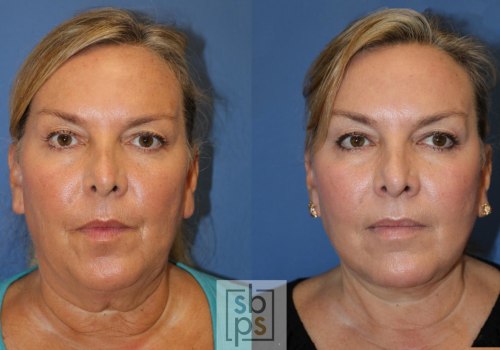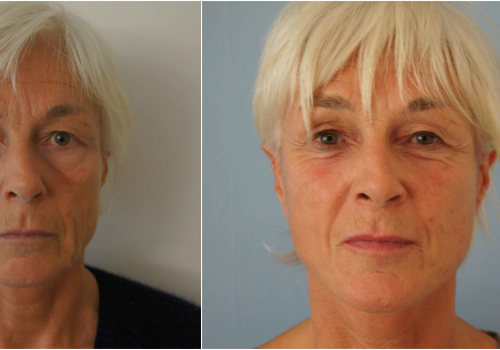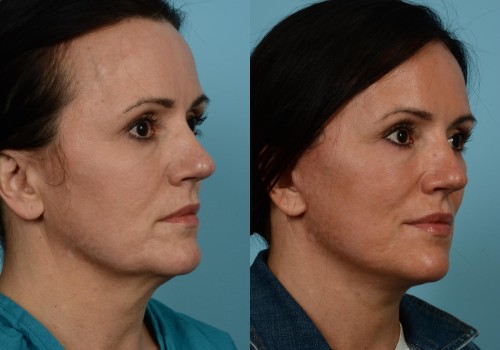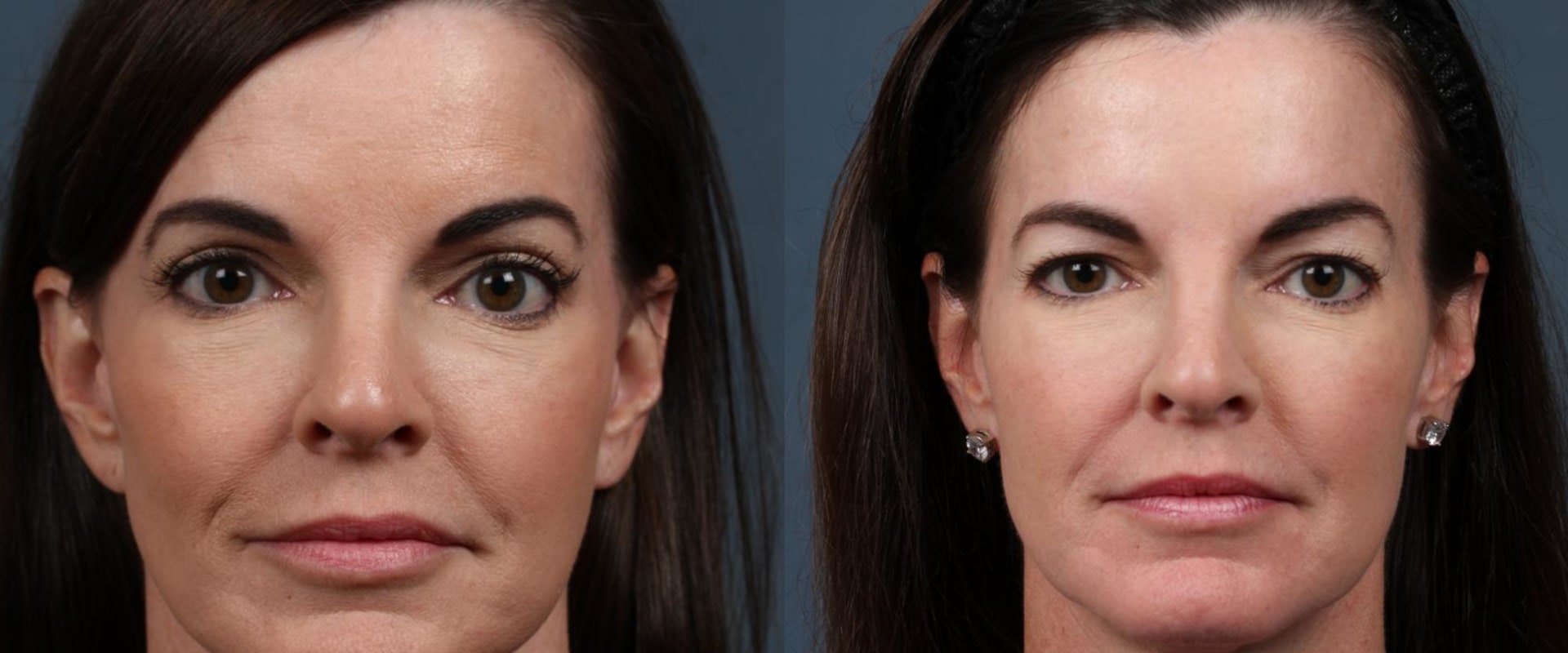
A facelift , medically known as rhytidectomy, is a surgical procedure designed to enhance the appearance of the face by tightening the skin and underlying tissues. As we age, our skin loses elasticity, leading to sagging and the formation of wrinkles. A facelift addresses these issues by removing excess skin, repositioning underlying tissues, and sometimes redistributing fat to create a more youthful contour. This transformative procedure not only rejuvenates the face but can also significantly boost self-esteem and confidence.The facelift procedure typically involves several steps, beginning with a thorough consultation where the surgeon evaluates the patient's facial structure and discusses their aesthetic goals.
During the surgery, incisions are made discreetly along the hairline and around the ears to minimise visible scarring. The surgeon then lifts and tightens the underlying muscles and tissues before removing any excess skin. The result is a smoother, firmer appearance that can take years off one’s look.One of the primary benefits of a facelift is its ability to provide long-lasting results. While non-surgical options like fillers and Botox can offer temporary improvements, a facelift delivers more significant changes that can endure for many years.
Additionally, many patients report feeling revitalised and more confident in their appearance post-surgery. It’s important to note that while facelifts can dramatically improve facial aesthetics, they do not stop the aging process; however, they can help you look younger than your chronological age.Understanding what a facelift entails is crucial for anyone considering this procedure. It sets the foundation for exploring age-related factors that influence when one should consider undergoing a facelift. As we delve deeper into this topic, we will examine how age impacts candidacy for this transformative surgery and what potential patients should keep in mind.
The Aging Process and Its Impact on Facial Appearance
Aging is a natural process that affects everyone, and its impact on our facial appearance can be particularly pronounced.As we age, our skin undergoes various changes that can lead to noticeable signs of aging. Understanding these changes is crucial for anyone considering a As we age, our skin undergoes various changes that can lead to noticeable signs of aging. Understanding these changes is crucial for anyone considering a facelift or other cosmetic procedures.One of the most significant effects of aging on the face is the loss of skin elasticity. Collagen and elastin, the proteins responsible for maintaining skin's firmness and flexibility, begin to diminish over time. This reduction leads to a less resilient skin structure, making it more susceptible to sagging and wrinkles.Additionally, the natural fat deposits in our face start to shift and decrease with age.
This can result in a hollowed appearance around the cheeks and temples, contributing to an overall tired or aged look. The loss of volume can also accentuate the appearance of fine lines and deep folds, particularly around the mouth and nose.Another common sign of aging is the formation of winkles. These can develop due to a combination of factors, including sun exposure, lifestyle choices such as smoking, and repetitive facial movements. Over time, these factors contribute to dynamic wrinkles—those that appear when we express emotions—and static wrinkles that are visible even when our face is at rest.Sagging skin is another hallmark of facial aging.
As gravity takes its toll combined with decreased skin elasticity, areas such as the jawline and neck may begin to droop. This sagging can create jowls and a less defined jawline, which many individuals find undesirable.In summary, the aging process significantly impacts our facial appearance through loss of skin elasticity , volume depletion, wrinkle formation, and sagging. Recognising these changes not only helps in understanding the need for a facelift but also empowers individuals to make informed decisions about their aesthetic goals.
Ideal Age Ranges for Facelift Surgery
Determining the ideal age for a facelift is a nuanced process that varies significantly among individuals. While there is no definitive age that guarantees optimal results, certain age ranges are generally considered more suitable for this transformative procedure.Most plastic surgeons agree that the best candidates for a facelift typically fall between the ages of 40 and 70.This range is significant because it encompasses individuals who are beginning to experience noticeable signs of aging, such as:
- Fine lines and wrinkles
- Loss of skin elasticity
- Sagging jowls
- Deepening nasolabial folds
Many patients in this demographic find that a facelift not only rejuvenates their appearance but also boosts their self-confidence.Interestingly, there is also a growing trend of patients in their 70s opting for facelifts. With advancements in surgical techniques and anaesthesia, older patients can safely undergo these procedures with excellent outcomes. However, it is crucial for surgeons to assess each patient's overall health and skin condition before proceeding.Ultimately, the decision to undergo a facelift should be based on individual circumstances rather than strictly adhering to age guidelines. Factors such as skin quality, personal goals, and overall health play a critical role in determining the right time for surgery.In conclusion, while the best age for a facelift typically falls between 40 and 70 years, it is essential to consult with a qualified plastic surgeon who can provide tailored advice based on your unique needs and aesthetic goals. typically falls between 40 and 70 years, it is essential to consult with a qualified plastic surgeon who can provide tailored advice based on your unique needs and aesthetic goals.
Benefits of Early Facelift Procedures
Undergoing a facelift at a younger age can offer several significant advantages that many individuals may not initially consider.While the traditional perception is that facelifts are primarily for those in their 50s and 60s, opting for this procedure earlier can lead to more favourable outcomes.
1.Less Extensive Surgery
One of the primary benefits of having a facelift in your 40s or early 50s is that the procedure can often be less extensive. Younger skin typically retains more elasticity and collagen, which means that the surgical techniques required may be less invasive. This can result in a mini faceliftmini facelift being sufficient to achieve the desired results, allowing for a more targeted approach to rejuvenation.
2.Quicker Recovery Times
Younger patients generally experience faster recovery times compared to older individuals. This is largely due to better overall health and resilience of younger skin.
Many patients in their 40s find that they can return to their normal activities within a few weeks, as opposed to the longer recovery periods often associated with older patients undergoing more extensive procedures.
3.Proactive Aging Management
Choosing to have a facelift earlier can be seen as a proactive approach to managing the signs of aging. By addressing issues such as sagging skin and deep wrinkles before they become more pronounced, younger patients can maintain a youthful appearance for longer. This preventative strategy can help avoid the need for more drastic measures later in life.
4.Enhanced Self-Confidence
Many individuals who opt for an early facelift report significant boosts in self-esteem and confidence. Feeling good about one’s appearance can have a profound impact on various aspects of life, including personal relationships and professional opportunities.
A youthful look can enhance one’s overall quality of life.
5.Tailored Results
When younger patients undergo facelift procedures, surgeons can tailor the results to align with their unique facial structure and aesthetic goals. This personalised approach ensures that the outcomes are harmonious with their natural features, leading to results that appear fresh rather than overly tightened or artificial.In conclusion, while age is an important factor in determining the right time for a facelift, there are compelling reasons to consider this procedure earlier in life. The benefits of less invasive surgery, quicker recovery times, proactive aging management, enhanced self-confidence, and tailored results make early facelifts an appealing option for many individuals looking to maintain their youthful appearance.
Risks and Considerations When Choosing to Undergo a Facelift
Undergoing a facelift is a significant decision that requires careful consideration of various factors, including potential risks and complications. While many patients seek this procedure to rejuvenate their appearance, it is essential to understand that, like any surgical intervention, a facelift carries inherent risks.Common Risks Associated with Facelift Surgery
- Infection: As with any surgery, there is a risk of infection at the incision sites.
Proper post-operative care and adherence to your surgeon's instructions can help mitigate this risk.
- Scarring: Although surgeons strive to make incisions in discreet locations, some scarring is inevitable. The extent of scarring can vary based on individual healing processes and skin types.
- Asymmetry: Post-surgery, some patients may notice asymmetrical features. This can occur if the healing process differs on each side of the face.
- Nerve Damage: There is a small risk of nerve damage during the procedure, which can lead to temporary or permanent changes in sensation or movement in the facial area.
- Hematoma: This condition involves blood pooling under the skin, which may require additional treatment or surgery to resolve.
Considerations Before Undergoing a Facelift
Before deciding on a facelift, it is crucial to consider several factors:
- Your Age: While facelifts are commonly performed on individuals in their 50s and 60s, younger patients may also benefit from the procedure. However, younger candidates should have realistic expectations about the outcomes.
- Your Skin Type: The elasticity and quality of your skin play a significant role in the success of a facelift.
Those with good skin elasticity may experience better results.
- Your Health Status: A thorough medical evaluation is necessary to ensure you are fit for surgery. Pre-existing health conditions can increase the risk of complications.
- Expectations: Understanding what a facelift can and cannot achieve is vital. Discuss your goals with your surgeon to ensure they align with realistic outcomes.
Conclusion
A facelift can be an effective way to enhance your appearance and boost your confidence. However, it is essential to weigh the potential risks against the benefits.
Consulting with a qualified plastic surgeon will provide you with tailored advice and help you make an informed decision that aligns with your aesthetic goals and health considerations.
Consultation with a Plastic Surgeon: What to Expect
When considering a facelift, the first step is to schedule a consultation with a qualified plastic surgeon. This meeting is crucial as it sets the foundation for your surgical journey. During this consultation, you will have the opportunity to discuss your goals, concerns, and expectations regarding the procedure.Typically, the consultation will begin with a thorough assessment of your medical history and any previous surgeries you may have undergone. The surgeon will evaluate your facial structure, skin condition, and overall health to determine if you are a suitable candidate for a facelift.This assessment is vital as it helps the surgeon tailor the procedure to meet your specific needs.
What to Expect During Your Consultation
- Discussion of Goals: You will be encouraged to express what you hope to achieve with the facelift. Whether it’s reducing sagging skin or enhancing facial contours, clear communication is key.
- Examination: The surgeon will examine your face, taking note of areas that may benefit from surgical intervention. This may include assessing skin elasticity and the presence of wrinkles or jowls.
- Procedure Explanation: Expect a detailed explanation of the facelift procedure, including techniques that may be used, anaesthesia options, and recovery expectations.
- Risks and Complications: A responsible surgeon will discuss potential risks associated with the surgery, ensuring you are fully informed before making a decision.
- Before and After Photos: Many surgeons provide before and after photos of previous patients to give you an idea of what results to expect.
Questions to Ask Your Plastic Surgeon
To make the most of your consultation, prepare a list of questions to ask your plastic surgeon. Here are some essential queries:
- What is your experience with facelift procedures?
- Can you explain the different techniques available for facelifts?
- What are the expected outcomes and recovery timeline?
- How do you handle complications if they arise?
- What are the costs involved, and do you offer financing options?
Trust and rapport are essential in this process, as they can significantly impact your overall experience and satisfaction with the results.
Post-Operative Care and Recovery Timeline
Recovering from a facelift is a crucial phase that significantly impacts the overall results of the procedure. Understanding the facelift recovery timeline and adhering to proper post-operative care can enhance healing and ensure optimal outcomes.Immediately after the surgery, patients can expect some swelling, bruising, and discomfort. These symptoms are normal and typically peak within the first few days. Here’s a general timeline of what to expect during the recovery process:- Days 1-3: The initial recovery period involves significant swelling and bruising.
Patients are advised to rest with their head elevated to minimise swelling. Pain management is essential during this time, and prescribed medications should be taken as directed.
- Days 4-7: By the end of the first week, most swelling will begin to subside, and patients may feel more comfortable. Stitches or sutures are usually removed around this time, depending on the surgeon's protocol.
- Weeks 2-3: As healing progresses, patients can gradually resume light activities. However, strenuous exercise and heavy lifting should still be avoided.
The majority of bruising will fade, revealing more of the facelift results.
- Weeks 4-6: Most patients return to their normal routines by this stage. While residual swelling may linger, it will continue to diminish. Follow-up appointments with the surgeon are crucial to monitor healing.
- Months 2-6: Full recovery can take several months. The final results of the facelift will become more apparent as any remaining swelling resolves and skin settles into its new position.
- Follow your surgeon's instructions: Adhering to specific guidelines provided by your surgeon is vital for a successful recovery.
- Avoid sun exposure: Protect your skin from direct sunlight during the healing process to prevent pigmentation changes.
- Stay hydrated: Drinking plenty of water aids in healing and helps reduce swelling.
- Limit physical activity: Avoid strenuous activities for at least four weeks post-surgery to prevent complications.
- Use cold compresses: Applying cold packs can help alleviate swelling and discomfort in the initial days following surgery.
Frequently Asked Questions About Facelifts
When considering a facelift, many potential patients have questions and concerns that need addressing.Below are some of the most frequently asked questions about facelifts, along with clarifications to dispel common myths.
What is a facelift?
A facelift, or rhytidectomy, is a surgical procedure designed to improve visible signs of aging in the face and neck. This includes tightening sagging skin, removing excess fat, and smoothing out deep folds. The goal is to create a more youthful appearance while maintaining natural facial expressions.A facelift, or rhytidectomy, is a surgical procedure designed to improve visible signs of aging in the face and neck. This includes tightening sagging skin, removing excess fat, and smoothing out deep folds. The goal is to create a more youthful appearance while maintaining natural facial expressions.At what age should I consider a facelift?
While there is no definitive age for undergoing a facelift, most candidates are typically between 40 and 70 years old. Individuals in their 40s may start noticing early signs of aging, such as fine lines and slight sagging.Those in their 50s and 60s often seek more significant rejuvenation. However, younger patients may also benefit from a mini facelift if they have specific concerns.
Are facelifts only for women?
No, facelifts are not exclusively for women. An increasing number of men are opting for facelift procedures to enhance their appearance and boost self-confidence. The desire to look youthful transcends gender, making facelifts a viable option for anyone concerned about aging.Will a facelift leave visible scars?
Scarring is a common concern among those considering a facelift.However, skilled surgeons make incisions in discreet locations, such as around the ears and hairline, to minimise visibility. Over time, scars typically fade significantly and become less noticeable.
Can I combine a facelift with other procedures?
Yes, many patients choose to combine a facelift with other cosmetic procedures such as eyelid surgery (blepharoplasty) or brow lifts for comprehensive facial rejuvenation. Discussing your goals with your surgeon will help determine the best approach for achieving your desired results.What are the risks associated with facelifts?
As with any surgical procedure, facelifts carry certain risks, including infection, bleeding, and adverse reactions to anesthesia. It’s crucial to consult with a qualified plastic surgeon who can assess your health history and discuss potential risks specific to your situation.How long is the recovery period after a facelift?
The recovery period varies by individual but generally takes about two to four weeks.During this time, patients may experience swelling and bruising. Following post-operative care instructions is essential for optimal healing and results.Understanding these common questions can help demystify the facelift process and empower individuals to make informed decisions about their cosmetic journey.
Conclusion: Making an Informed Decision About Your Facelift Journey
In conclusion, the decision to undergo a facelift is a significant one that requires careful consideration of various factors, particularly age and individual circumstances. Throughout this article, we have explored the optimal age ranges for facelift procedures, highlighting that while many patients in their 40s to 70s are ideal candidates, there are compelling reasons to consider surgery earlier.It is essential to recognise that the signs of aging can manifest differently for each person. Factors such as genetics, lifestyle choices, and environmental influences play a crucial role in how our skin ages.Therefore, it is vital to assess your unique situation rather than relying solely on age as a determining factor.For those contemplating a facelift, consulting with a qualified plastic surgeon is paramount. A professional can provide personalised advice based on your skin condition, facial structure, and aesthetic goals. During this consultation, you can discuss your concerns and expectations, allowing the surgeon to recommend the most suitable approach for your needs.Moreover, understanding the different types of facelift procedures available—such as traditional facelifts and mini facelifts—can help you make an informed choice. Each option has its benefits and considerations regarding recovery time and results.Ultimately, the best age for a facelift is not merely a number but rather a reflection of your readiness to embrace change and enhance your appearance.
Whether you are in your 40s or beyond, the key is to ensure that you feel confident and comfortable with your decision.As you embark on this journey, remember that a facelift can be a transformative experience that not only rejuvenates your appearance but also boosts your self-esteem. Take the time to weigh your options carefully, seek professional guidance, and choose the right moment for you. Your face is a canvas of your life experiences; make sure it reflects the vibrant person you are inside.