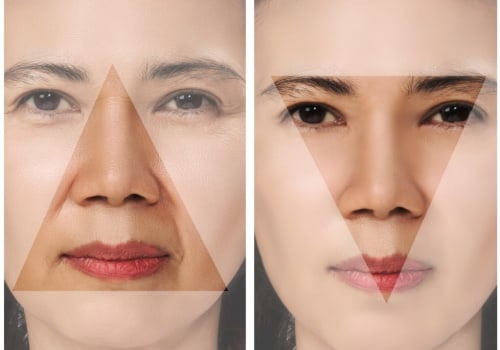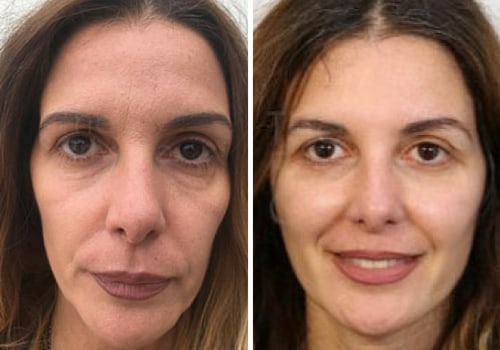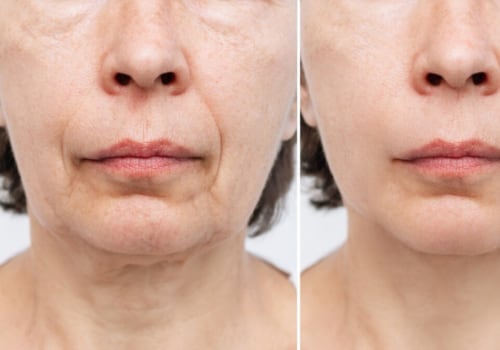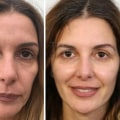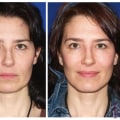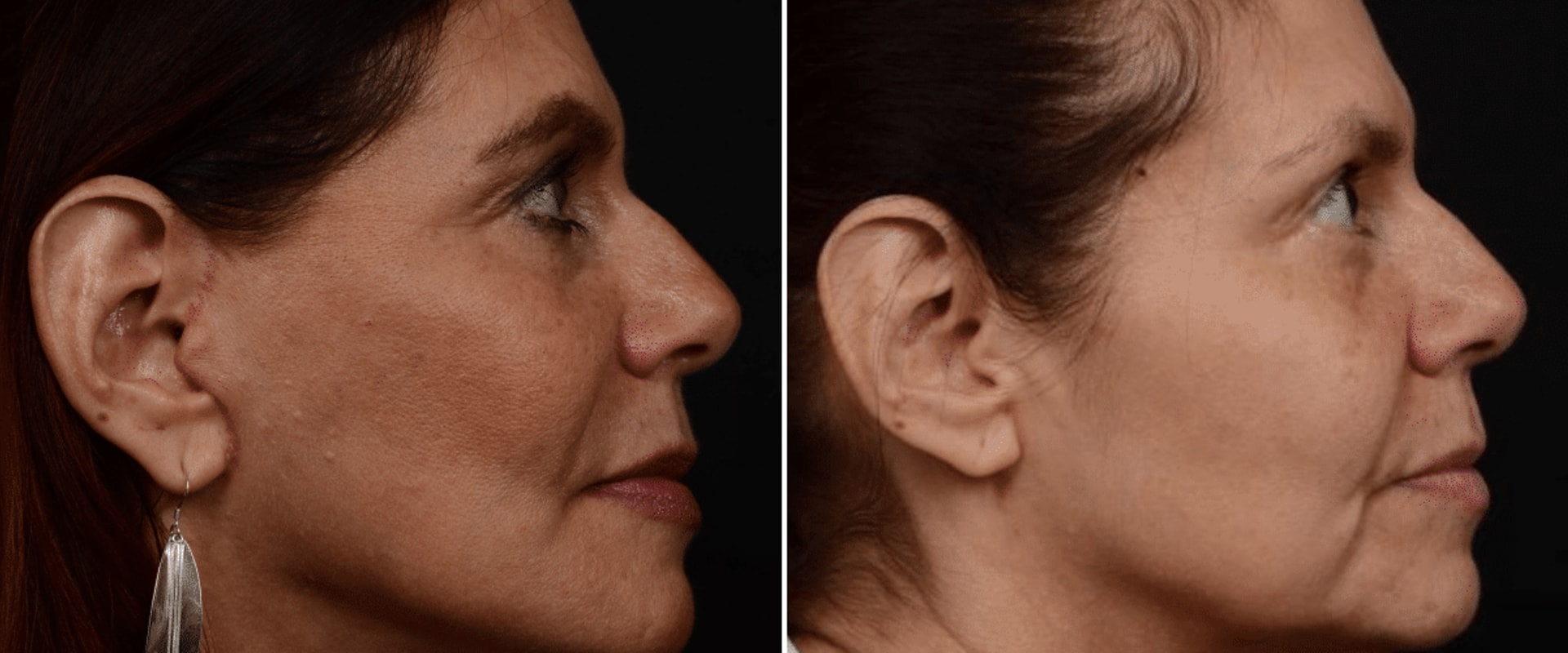
A facelift , medically known as a rhytidectomy, is a popular cosmetic surgical procedure designed to rejuvenate the face by addressing signs of aging. As we age, our skin loses elasticity, leading to sagging and the formation of wrinkles, particularly around the cheeks, jawline, and neck. A facelift aims to restore a more youthful appearance by tightening the underlying muscles and removing excess skin, resulting in a smoother and firmer facial contour.The primary purpose of a facelift is not only to enhance aesthetic appeal but also to boost self-confidence and improve overall quality of life. Many individuals seek this procedure as a way to combat the visible effects of aging, which can often lead to feelings of self-consciousness or dissatisfaction with one’s appearance.
By understanding the intricacies of facelift surgery, potential candidates can make informed decisions about whether this procedure aligns with their personal goals.As we delve deeper into the topic, it is essential to consider the success rate of facelifts, which can vary significantly based on several factors. These include the skill and experience of the surgeon, the specific techniques employed during the procedure, and individual patient characteristics such as health status and healing capacity. Moreover, success is often measured not just in terms of physical results but also in patient satisfaction and emotional well-being post-surgery.In this article, we will explore various aspects of facelift surgery, including its effectiveness, patient satisfaction rates over time, and what prospective patients should know before undergoing this transformative procedure. Understanding these elements will provide valuable insights for anyone considering a facelift as a means to enhance their appearance and regain their youthful vitality.
What is a Facelift?
A facelift, medically known as a rhytidectomy, is a surgical procedure designed to enhance the appearance of the face by addressing signs of aging.This procedure primarily targets sagging skin, deep creases, and loss of volume, resulting in a more youthful and rejuvenated look. Understanding the intricacies of the facelift procedure is essential for evaluating its success rates and potential outcomes.There are several types of facelifts, each tailored to meet specific aesthetic goals and patient needs. The most common types include:
- Traditional Facelift: This method involves making incisions around the hairline and extending down to the front of the ear. It allows for significant tightening of the skin and underlying tissues, making it suitable for patients with moderate to severe sagging.
- Mini Facelift: A less invasive option, the mini facelift focuses on the lower face and neck.
It requires smaller incisions and is ideal for younger patients or those with minimal sagging.
- Mid-Facelift: This technique specifically targets the middle section of the face, including the cheeks and nasolabial folds. It lifts and repositions fat pads in this area, providing a more youthful contour.
- Thread Lift: A non-surgical alternative, this method uses temporary sutures to lift the skin. While results are less dramatic than surgical options, it offers a quicker recovery time.
The surgeon then makes precise incisions based on the chosen technique, allowing access to underlying tissues. After repositioning and tightening these tissues, excess skin is removed before closing the incisions.Post-operative care is crucial for optimal recovery and results. Patients are advised to follow their surgeon's guidelines closely, which may include managing swelling and bruising, avoiding strenuous activities, and attending follow-up appointments.In summary, understanding what a facelift entails—along with its various types and techniques—provides valuable insight into its success rates. Each patient's experience will vary based on individual factors such as skin type, age, and overall health, making it essential to consult with a qualified plastic surgeon to determine the best approach for achieving desired results.
Factors Influencing Facelift Success Rates
The success of a facelift, or rhytidectomy, is influenced by a multitude of factors that can significantly affect the outcome of the procedure.Understanding these elements is crucial for potential candidates considering this transformative surgery.
Surgeon Experience and Skill
One of the most critical factors in determining the success rate of a facelift is the experience and skill of the surgeon performing the procedure. A board-certified plastic surgeon with extensive training in facial aesthetics will have a deeper understanding of the intricate anatomy of the face, which is essential for achieving natural-looking results. Surgeons who specialise in facelifts often have a portfolio of before-and-after photos that can provide insight into their expertise and style.Moreover, the technique employed by the surgeon plays a significant role. There are various facelift techniques, such as the traditional facelift, mini facelift, and mid-facelift, each with its own indications and expected outcomes.
A skilled surgeon will tailor the approach based on individual patient needs, ensuring optimal results.
Patient Health and Lifestyle
The overall health of the patient is another vital factor influencing facelift success rates. Candidates should ideally be in good physical condition, as underlying health issues can complicate surgery and recovery. Conditions such as diabetes, hypertension, or cardiovascular diseases may increase risks during surgery and affect healing.Additionally, lifestyle choices play a significant role in both pre-operative preparation and post-operative recovery. Patients who smoke or consume excessive alcohol may experience delayed healing and increased complications.
Therefore, it is advisable for individuals to adopt a healthy lifestyle leading up to their surgery, including a balanced diet and regular exercise.
Individual Expectations
Lastly, individual expectations can greatly influence perceived success. Each patient has unique goals and desires regarding their appearance. It is essential for patients to have realistic expectations about what a facelift can achieve. Open communication with the surgeon about desired outcomes can help align expectations with achievable results.In summary, while facelifts generally have high satisfaction rates, factors such as surgeon experience, patient health, and individual expectations play pivotal roles in determining the overall success of the procedure.
By carefully considering these elements, patients can enhance their chances of achieving their desired aesthetic outcomes.
Statistics on Facelift Success Rates
Understanding the success rates of facelift procedures is crucial for potential patients considering this transformative surgery. Numerous studies have been conducted to assess both the effectiveness of facelifts and the satisfaction levels of those who undergo them.According to a comprehensive survey published in the Aesthetic Surgery Journal, approximately 90% of patients reported being satisfied with their facelift results one year post-surgery. This high satisfaction rate underscores the procedure's ability to meet or exceed patient expectations when performed by qualified professionals.Furthermore, a long-term study indicated that around 85% of patients maintained their satisfaction levels even five years after the procedure. This suggests that the benefits of a facelift can be enduring, contributing to a sustained sense of well-being and confidence.When examining specific demographics, it was found that younger patients, particularly those aged between 40 and 55, tend to report higher satisfaction rates compared to older individuals.This could be attributed to their more realistic expectations and the fact that they often seek facelifts for preventative reasons rather than corrective ones.In terms of surgical techniques, studies have shown that minimally invasive methods, such as endoscopic facelifts, yield similar satisfaction rates as traditional approaches while often resulting in shorter recovery times and less visible scarring. A survey indicated that patients who opted for these techniques reported a satisfaction rate of around 88% .It is also essential to consider the role of the surgeon's expertise in determining success rates. Research has demonstrated that patients treated by board-certified plastic surgeons experience higher satisfaction levels compared to those treated by less experienced practitioners. In fact, a study revealed that 95% of patients who underwent surgery with highly rated surgeons expressed contentment with their results.In summary, the statistics surrounding facelift success rates are overwhelmingly positive, with high levels of patient satisfaction reported across various studies.
However, individual experiences may vary based on factors such as age, surgical technique, and the surgeon's skill. Prospective patients should engage in thorough consultations with qualified professionals to ensure their expectations align with achievable outcomes.
Patient Satisfaction: A Key Indicator of Success
Patient satisfaction is a crucial metric when evaluating the success of a facelift. It encompasses not only the aesthetic outcomes but also the overall experience of the patient throughout the surgical process. Understanding how satisfaction is measured and what influences it can provide valuable insights for prospective patients.Typically, patient satisfaction following a facelift is assessed through surveys and interviews conducted at various intervals post-surgery, often at one month, six months, and one year.These assessments focus on several key areas:
- Aesthetic Results: Patients are asked to evaluate their appearance, including improvements in skin tightness, reduction of wrinkles, and overall facial harmony.
- Recovery Experience: The ease of recovery, pain management, and the duration of downtime are significant factors that contribute to satisfaction levels.
- Surgeon Interaction: The quality of communication with the surgeon before and after the procedure plays a vital role in shaping patient expectations and satisfaction.
- Emotional Well-being: Many patients report an increase in self-esteem and confidence following their facelift, which is a critical aspect of overall satisfaction.
- Surgeon Expertise: The skill and experience of the surgeon significantly impact both the aesthetic results and the patient's overall experience.
- Realistic Expectations: Patients who have a clear understanding of what a facelift can achieve are more likely to be satisfied with their results.
- Health Factors: Individual health conditions and healing responses can affect recovery times and final outcomes.
This ensures that they have realistic expectations and understand all aspects of the surgery, leading to a more satisfying outcome.
Risks and Considerations Before Undergoing a Facelift
Undergoing a facelift is a significant decision that requires careful consideration of various factors, including potential risks and complications. While many patients experience positive outcomes, it is essential to be aware of the possible challenges that can arise during and after the procedure.Common Risks Associated with Facelifts
- Infection: As with any surgical procedure, there is a risk of infection at the incision sites. Proper post-operative care and adherence to your surgeon's instructions can help mitigate this risk.
- Scarring: Although surgeons strive to minimise visible scarring, some patients may experience noticeable scars. The extent of scarring can depend on individual healing processes and the surgical technique used.
- Haematoma: This condition involves blood pooling under the skin, which can lead to swelling and discomfort.
In some cases, a haematoma may require additional surgical intervention to drain the accumulated blood.
- Nerve Damage: Temporary or permanent nerve damage can occur, leading to altered sensation or weakness in facial muscles. This risk is particularly relevant in procedures involving extensive manipulation of facial tissues.
- Asymmetry: While surgeons aim for balanced results, some patients may notice asymmetry in their facial features post-surgery. This can be due to natural variations in healing or surgical technique.
Considerations Before Undergoing a Facelift
Before deciding on a facelift, it is crucial to consider several factors that can influence both the procedure's success and your overall satisfaction with the results:
- Health Status: A thorough evaluation of your general health is essential. Patients with underlying health conditions may face higher risks during surgery and recovery.
- Realistic Expectations: Understanding what a facelift can achieve is vital.
Discuss your goals with your surgeon to ensure they align with realistic outcomes.
- Surgeon’s Experience: The skill and experience of your surgeon play a significant role in the success of the procedure. Researching their qualifications and previous patient outcomes can provide valuable insights.
- Recovery Time: Consider how much time you can dedicate to recovery. A facelift typically requires several weeks for initial healing, during which you may need assistance with daily activities.
Consultation with a Plastic Surgeon: What to Expect
When considering a facelift, the initial step is to schedule a consultation with a qualified plastic surgeon.This meeting is crucial as it sets the foundation for your surgical journey. During this consultation, you will have the opportunity to discuss your goals, expectations, and any concerns you may have regarding the procedure.
Choosing the Right Plastic Surgeon
Selecting a plastic surgeon is one of the most important decisions you will make. Here are some key factors to consider:
- Board Certification: Ensure that your surgeon is board-certified in plastic surgery. This certification indicates that they have undergone rigorous training and adhere to high standards of practice.
- Experience: Look for a surgeon who has extensive experience specifically in facelift procedures.
Ask about their track record and how many facelifts they perform annually.
- Before and After Photos: Request to see before and after photos of previous patients. This will give you an idea of their aesthetic style and the results you can expect.
- Patient Reviews: Research online reviews and testimonials from past patients. Positive feedback can provide insight into the surgeon’s skill and patient care.
Questions to Ask Your Surgeon
Remember, this consultation is not just about assessing the surgeon; it’s also an opportunity for you to evaluate whether you feel comfortable with their approach and philosophy regarding cosmetic surgery.
Post-Operative Care and Recovery Process
Undergoing a facelift is a significant decision, and the recovery process plays a crucial role in determining the overall success of the procedure. Proper post-operative care can enhance healing, minimise complications, and ensure that the results meet your expectations.Immediately after the surgery, patients can expect some swelling, bruising, and discomfort. These are normal reactions as the body begins to heal. To facilitate a smoother recovery, consider the following tips:- Follow Your Surgeon’s Instructions: Adhering to the specific guidelines provided by your surgeon is essential.
This includes taking prescribed medications, attending follow-up appointments, and following any specific care instructions.
- Rest and Relaxation: Allow your body ample time to recover. Rest is vital in the initial days post-surgery. Avoid strenuous activities and heavy lifting for at least two weeks.
- Cold Compresses: Applying cold compresses to the face can help reduce swelling and alleviate discomfort. Ensure that you do this gently and avoid direct contact with the surgical site.
- Keep Your Head Elevated: Sleeping with your head elevated can help minimise swelling.
Use extra pillows or a wedge pillow to maintain this position during sleep.
- Stay Hydrated: Drinking plenty of water aids in the healing process. Staying hydrated helps your body recover more efficiently.
- Avoid Smoking and Alcohol: Both smoking and alcohol can impede healing. It’s advisable to refrain from these substances for at least a few weeks post-surgery.
If you notice any concerning symptoms, contact your surgeon immediately.In summary, effective post-operative care is integral to achieving optimal results from your facelift. By following your surgeon's advice and taking proactive steps during recovery, you can enhance your healing experience and enjoy the rejuvenated appearance you desire.
Long-Term Results: What to Expect After a Facelift
After undergoing a facelift, many patients are eager to understand the long-term results and how their appearance will evolve over time. While a facelift can significantly rejuvenate the face, it is essential to recognise that the natural aging process continues post-surgery. This means that while the immediate results can be striking, the longevity of those results can vary based on several factors.Understanding Facelift Longevity
The effects of a facelift can last anywhere from five to ten years, depending on individual circumstances.
Factors such as skin type, age at the time of surgery, and lifestyle choices play a crucial role in determining how long the results will endure. For instance, younger patients may experience longer-lasting results compared to older individuals whose skin has already begun to lose elasticity.Moreover, the technique employed by the surgeon can also influence longevity. Advanced techniques that involve deeper tissue lifting may provide more durable outcomes than traditional methods. Therefore, selecting a skilled and experienced surgeon is paramount for achieving optimal results.
Aging After a Facelift
It is important to understand that while a facelift can remove excess skin and tighten underlying tissues, it does not stop the aging process.
Patients may notice new signs of aging developing in areas that were not addressed during surgery. For example, while the jawline may appear more defined post-facelift, other areas such as the neck or forehead may still show signs of aging.To maintain a youthful appearance after a facelift, patients are encouraged to adopt a comprehensive skincare regimen and consider non-surgical treatments such as fillers or Botox to address new wrinkles or volume loss that may occur over time. Regular consultations with a dermatologist or plastic surgeon can help tailor an ongoing maintenance plan suited to individual needs.
Patient Expectations and Satisfaction
Ultimately, patient satisfaction plays a significant role in perceived success rates following a facelift. Many individuals report feeling more confident and satisfied with their appearance for years after surgery.
However, managing expectations is crucial; understanding that while a facelift can provide significant improvements, it is not a permanent solution to aging.In conclusion, while facelifts offer substantial benefits in terms of facial rejuvenation, ongoing care and realistic expectations are vital for maintaining results over time. By embracing a proactive approach to skincare and considering additional treatments as needed, patients can enjoy their enhanced appearance for many years to come.
Conclusion: Evaluating Your Options for a Successful Facelift Experience
In conclusion, the journey towards a successful facelift is multifaceted and requires careful consideration of various factors. As we have explored throughout this article, the success rate of a facelift can be influenced by numerous elements, including the surgeon's expertise, the specific techniques employed, and the individual characteristics of each patient.It is essential to understand that while many patients report high satisfaction rates post-surgery, the definition of success can differ significantly from one individual to another. For some, success may mean achieving a more youthful appearance, while for others, it may involve feeling more confident in social situations or simply enhancing their overall quality of life.Before making a decision, potential candidates should engage in thorough research.This includes:
- Consulting with Qualified Professionals: Seek out board-certified plastic surgeons who specialise in facelifts. A comprehensive consultation will allow you to discuss your goals and expectations openly.
- Understanding the Procedure: Familiarise yourself with the different types of facelift techniques available. Each method has its own set of benefits and potential drawbacks.
- Evaluating Health Considerations: Assess your overall health and any pre-existing conditions that may affect your surgery or recovery process.
- Reviewing Patient Testimonials: Look for reviews and testimonials from previous patients to gain insight into their experiences and satisfaction levels.
By taking these steps, you can enhance your chances of achieving results that not only meet but exceed your expectations.