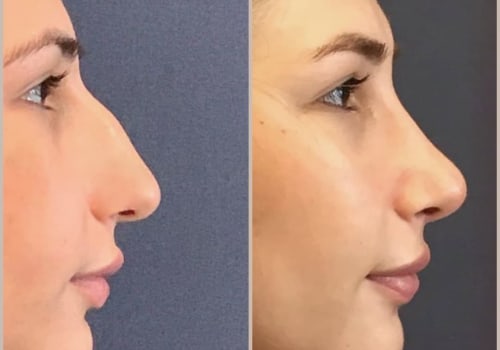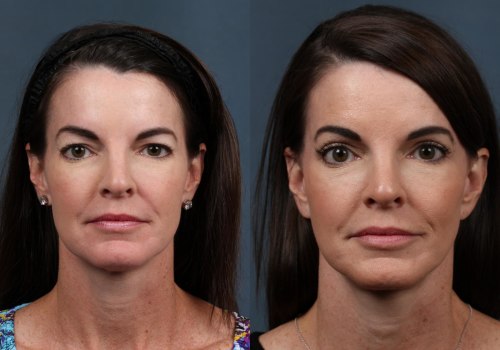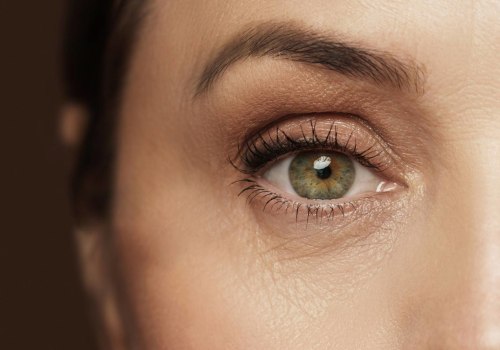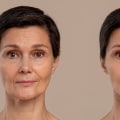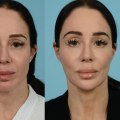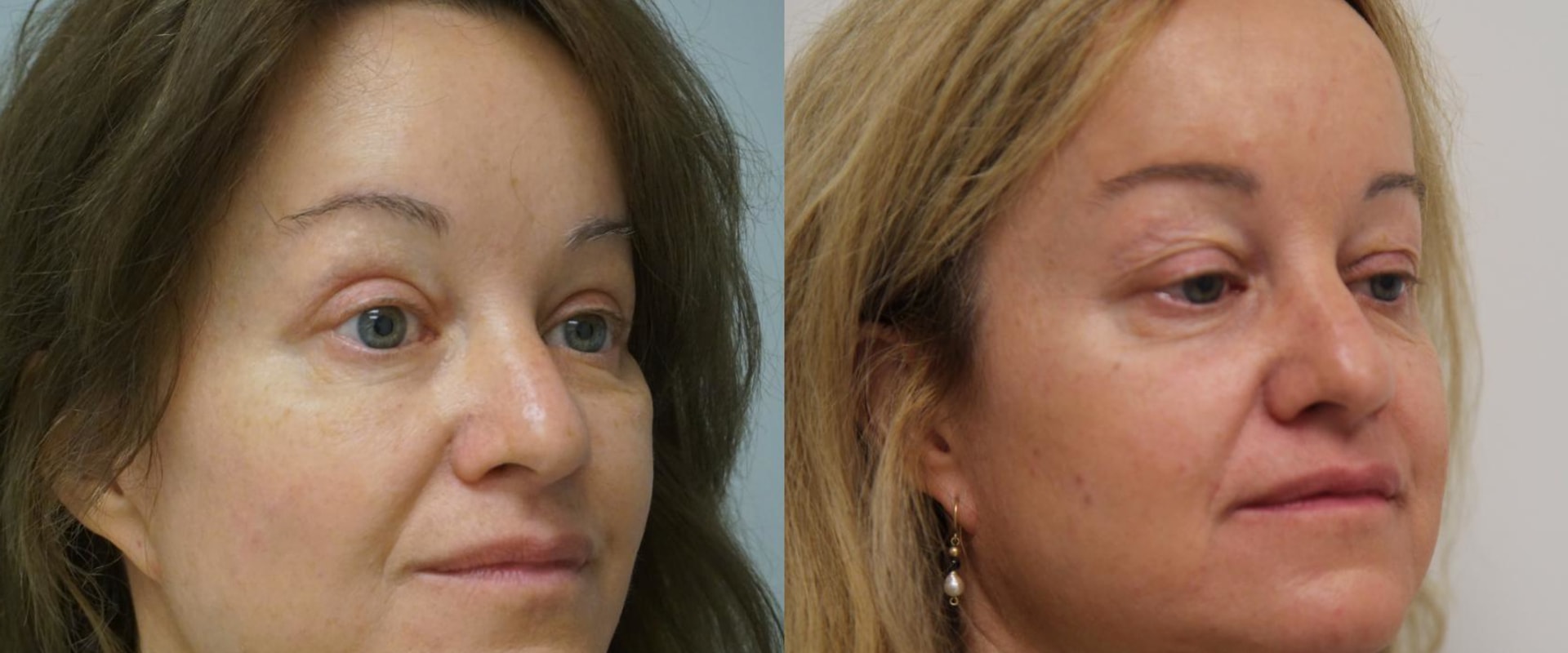
A facelift , medically known as rhytidectomy, is a cosmetic surgical procedure designed to create a more youthful appearance by tightening the skin and underlying tissues of the face. As we age, our skin loses elasticity, leading to sagging and the formation of wrinkles. A facelift addresses these concerns by removing excess skin and repositioning the underlying structures, resulting in a smoother, firmer facial contour. This procedure can significantly enhance one’s self-image and confidence, making it a popular choice among those looking to rejuvenate their appearance.There are several types of facelifts available, each tailored to meet the specific needs and goals of the patient.
The traditional facelift involves incisions around the ears and hairline, allowing for extensive lifting and tightening. For those seeking less invasive options, mini facelifts or non-surgical alternatives like dermal fillers may be suitable. These options provide varying degrees of improvement with shorter recovery times, making them appealing for individuals with busy lifestyles.The benefits of undergoing a facelift extend beyond mere aesthetics. Many patients report feeling revitalised and more confident in their social interactions post-procedure.
Additionally, a facelift can help to restore facial harmony by improving the jawline definition and reducing the appearance of jowls. It is essential to consult with a qualified surgeon to discuss your goals and determine the most appropriate type of facelift for your unique facial structure.
Factors Influencing the Cost of a Facelift
When considering a facelift, understanding the various factors that influence the overall cost is crucial for making an informed decision. The price of a facelift can vary significantly based on several key elements, which we will explore in detail.Geographical Location
The geographical location where the procedure is performed plays a significant role in determining the cost of a facelift. Urban areas, particularly those with a high cost of living, tend to have higher prices due to increased demand and operational costs.For instance, cities like London and New York often charge more for cosmetic procedures compared to smaller towns or countries with lower living expenses. Therefore, if you are open to travelling, exploring options in regions known for affordable yet quality plastic surgery can lead to substantial savings.For instance, cities like London and New York often charge more for cosmetic procedures compared to smaller towns or countries with lower living expenses. Therefore, if you are open to travelling, exploring options in regions known for affordable yet quality plastic surgery can lead to substantial savings.
Surgeon Expertise
The experience and qualifications of the surgeon performing the facelift are critical factors that can affect pricing. Highly skilled and board-certified surgeons with extensive experience typically charge more for their services. This is because their expertise often translates into better results and lower risks of complications.While it may be tempting to opt for a less experienced surgeon to save money, investing in a qualified professional can ultimately lead to more satisfactory outcomes.
Facility Fees
The type of facility where the facelift is performed also contributes to the overall cost. Accredited surgical centres or hospitals with advanced technology and high standards of care may charge higher fees compared to less reputable facilities. It is essential to ensure that the chosen facility meets safety regulations and provides a comfortable environment for recovery.Additional Costs
In addition to the primary costs associated with the facelift procedure itself, there are often additional expenses that patients should consider. These may include:- Anesthesia fees: The type of anesthesia used during the procedure can impact costs.
- Pre-operative consultations: Initial consultations with the surgeon may incur fees.
- Post-operative care: Follow-up visits and any necessary medications can add to the total expense.
- Travel expenses: If opting for surgery abroad, consider travel and accommodation costs.
Top Affordable Destinations for Facelifts
When considering a facelift, many individuals are surprised to learn that they can achieve their desired results without breaking the bank.Several countries have emerged as top destinations for affordable facelift procedures, offering high-quality care and excellent patient experiences. Here are some of the best places to consider:
- Turkey : Renowned for its advanced healthcare system and skilled surgeons, Turkey has become a leading destination for cosmetic surgery. Cities like Istanbul and Antalya are home to numerous accredited clinics that provide facelift procedures at a fraction of the cost compared to Western countries. Patients often report high satisfaction rates, thanks to the combination of affordable prices and exceptional service.
- Lithuania : This Baltic nation is gaining popularity among those seeking affordable plastic surgery.
Lithuania boasts modern medical facilities and highly trained professionals, making it an attractive option for facelift procedures. The country is particularly appealing to patients from the UK and Scandinavia due to its proximity and competitive pricing.
- Mexico : With its close proximity to the United States, Mexico has become a go-to destination for Americans seeking affordable cosmetic surgery. Cities like Tijuana and Cancun offer a range of clinics that specialise in facelifts, often at significantly lower prices than in the US. Many clinics in Mexico are accredited by international organisations, ensuring that patients receive quality care. : With its close proximity to the United States, Mexico has become a go-to destination for Americans seeking affordable cosmetic surgery. Cities like Tijuana and Cancun offer a range of clinics that specialise in facelifts, often at significantly lower prices than in the US. Many clinics in Mexico are accredited by international organisations, ensuring that patients receive quality care.
- Thailand : Known for its medical tourism industry, Thailand offers a variety of cosmetic procedures, including facelifts, at competitive prices.
Bangkok and Phuket are popular cities where patients can find reputable clinics staffed by experienced surgeons. The combination of beautiful surroundings and affordable healthcare makes Thailand an appealing choice for those considering surgery abroad.
- Colombia : Colombia has emerged as a top destination for cosmetic surgery in recent years. Cities like Medellín and Bogotá feature state-of-the-art facilities and highly qualified surgeons who perform facelifts at lower costs than in many Western countries. Patients often rave about their experiences, citing both the quality of care and the vibrant culture of Colombia.
Look for clinics with positive patient reviews, accreditation from recognised medical boards, and experienced surgeons. By selecting one of these affordable destinations, you can achieve your aesthetic goals while enjoying significant savings.
Turkey: The Leading Destination for Affordable Facelifts
Turkey has emerged as a premier destination for those seeking affordable facelift procedures, attracting patients from around the globe. The country’s reputation in medical tourism is bolstered by its combination of high-quality healthcare services and competitive pricing, making it an attractive option for individuals looking to enhance their appearance without breaking the bank.One of the key factors contributing to Turkey's popularity is the significant cost savings associated with plastic surgery. On average, a facelift in Turkey can cost between £2,500 and £4,500, which is considerably lower than prices in countries like the UK or the US, where similar procedures can range from £7,000 to £15,000.This affordability does not come at the expense of quality; many Turkish clinics are accredited by international health organisations and employ highly qualified surgeons with extensive experience.Patients can expect a comprehensive approach to their care when opting for a facelift in Turkey. Many clinics offer all-inclusive packages that cover not only the surgical procedure but also accommodation, airport transfers, and post-operative care. This level of service ensures that patients feel supported throughout their journey, from initial consultation to recovery.Moreover, Turkey boasts state-of-the-art medical facilities equipped with the latest technology. Surgeons often utilise advanced techniques that promote quicker recovery times and more natural-looking results.
Patients frequently report high satisfaction rates due to the combination of skilled practitioners and modern surgical methods.In addition to the medical benefits, Turkey offers a unique opportunity for patients to combine their surgery with a holiday. The country is rich in history and culture, with stunning landscapes and vibrant cities such as Istanbul and Antalya. Many patients take advantage of their time in Turkey to explore its beautiful sites while recovering from their procedures.In conclusion, Turkey stands out as a leading destination for affordable facelifts due to its competitive pricing, high-quality medical care, and the added benefit of a cultural experience. For those considering a facelift, Turkey presents an enticing option that balances cost-effectiveness with exceptional results.
Lithuania: A Hidden Gem for Plastic Surgery
In recent years, Lithuania has emerged as a prominent destination for individuals seeking affordable and high-quality plastic surgery, particularly facelifts.This Baltic nation is not only known for its stunning landscapes and rich history but also for its advanced medical facilities and skilled surgeons. As more people look beyond their borders for cosmetic procedures, Lithuania stands out as a hidden gem.One of the primary reasons patients are flocking to Lithuania for a facelift is the significant cost savings compared to Western Europe and the United States. The average price of a facelift in Lithuania can be up to 50% lower than in countries like the UK or Germany, making it an attractive option for those on a budget. Despite the lower prices, the quality of care remains exceptionally high, with many clinics adhering to international standards.Many Lithuanian plastic surgeons are highly trained and have extensive experience in performing facelifts and other cosmetic procedures.
They often receive their education and training in Western countries, ensuring they are well-versed in the latest techniques and technologies. This combination of affordability and expertise has made Lithuania a popular choice among patients from various regions, including the UK, Ireland, and Scandinavia.Moreover, Lithuanian clinics often offer comprehensive packages that include not just the surgical procedure but also pre-operative consultations, post-operative care, and even accommodation options. This all-inclusive approach simplifies the process for international patients, allowing them to focus on their recovery rather than logistical concerns.Another factor contributing to Lithuania's rise as a plastic surgery destination is its commitment to patient safety and satisfaction. Many clinics are equipped with state-of-the-art technology and maintain rigorous hygiene standards.
Patients can expect thorough consultations where their individual needs and concerns are addressed, ensuring that they feel comfortable and informed throughout their journey.In addition to facelifts, Lithuania offers a wide range of other cosmetic procedures at competitive prices. From breast augmentations to liposuction, patients can find various options tailored to their aesthetic goals. The growing reputation of Lithuanian plastic surgery has led to an increase in medical tourism, with many patients combining their surgical journey with a chance to explore the beautiful cities of Vilnius or Kaunas.In conclusion, Lithuania is quickly becoming a top choice for those seeking affordable yet high-quality plastic surgery. With its skilled surgeons, modern facilities, and attractive pricing structures, it’s no wonder that more individuals are considering this Baltic nation for their facelift procedures.
Comparing Costs: Domestic vs.
International Facelift ProceduresWhen considering a facelift, one of the most significant factors to evaluate is the cost. In the UK, facelift procedures can range from £7,000 to £15,000, depending on the complexity of the surgery and the surgeon's expertise. This price often includes pre-operative consultations, anaesthesia, and post-operative care. However, many individuals are now exploring international options for their facelift procedures, which can offer substantial savings without compromising quality.Countries such as Turkey, Lithuania, and Thailand have emerged as popular destinations for cosmetic surgery due to their competitive pricing and high standards of medical care.
For instance, in Turkey, the cost of a facelift can be as low as £3,000 to £5,000. This dramatic difference in price is often attributed to lower operational costs and a thriving medical tourism industry that caters specifically to international patients.While the allure of lower prices abroad is tempting, it is essential to consider several factors before making a decision:
- Quality of Care: Ensure that the clinic is accredited and that the surgeons are qualified and experienced. Research patient reviews and before-and-after photos to gauge the quality of results.
- Travel Costs: Factor in travel expenses, accommodation, and any potential follow-up visits when calculating overall costs. Sometimes these additional expenses can offset the savings.
- Post-Operative Care: Consider how follow-up care will be managed if you choose to have your surgery abroad.
Will you need to return for check-ups? How will complications be handled?
Choosing the Right Surgeon: What to Look For
When considering a facelift, selecting the right surgeon is crucial to achieving the desired results while ensuring your safety. Here are some essential factors to consider when choosing a qualified and experienced surgeon for your facelift procedure.Check Qualifications and Certifications
First and foremost, verify the surgeon's qualifications.Look for a board-certified plastic surgeon who specializes in facial procedures. In the UK, this means they should be a member of the British Association of Aesthetic Plastic Surgeons (BAAPS) or the Royal College of Surgeons (RCS). These certifications indicate that the surgeon has undergone rigorous training and adheres to high standards of practice.
Experience Matters
Experience plays a significant role in the success of your facelift. Inquire about how many facelift procedures the surgeon has performed and their specific experience with the techniques you are considering.A surgeon with extensive experience is more likely to anticipate complications and deliver optimal results.
Review Before-and-After Photos
Request to see before-and-after photos of previous patients. This will give you an idea of the surgeon's aesthetic style and the quality of their work. Pay attention to patients with similar facial structures and concerns as yours, as this can provide insight into what you might expect from your own procedure.Consultation Questions
During your consultation, prepare a list of questions to ask the surgeon:- What is your approach to facelift surgery?
- What techniques do you recommend for my specific needs?
- What are the potential risks and complications?
- How do you handle complications if they arise?
- What is the expected recovery time?
- Can you provide references from past patients?
Trust Your Instincts
Your comfort level with the surgeon is just as important as their qualifications. Pay attention to how they communicate with you during your consultation.A good surgeon should listen to your concerns, answer your questions thoroughly, and make you feel at ease. If something feels off or if you feel rushed, it may be worth seeking a second opinion.Ultimately, taking the time to choose the right surgeon can significantly impact your facelift experience and results. By prioritising qualifications, experience, and personal comfort, you can make an informed decision that aligns with your aesthetic goals.
Preparing for Your Facelift: Essential Steps to Take
Preparing for a facelift is a crucial step that can significantly influence the outcome of your surgery. By following a structured approach, you can ensure that you are physically and mentally ready for the procedure.Here are some essential steps to consider:
- Consultation with Your Surgeon: Schedule a thorough consultation with your chosen surgeon. This is your opportunity to discuss your goals, ask questions, and understand the procedure in detail. Make sure to communicate any medical conditions or medications you are currently taking.
- Pre-operative Instructions: Your surgeon will provide specific pre-operative instructions tailored to your needs. These may include guidelines on medications, dietary restrictions, and lifestyle changes.
It’s vital to adhere to these recommendations closely.
- Avoid Certain Medications: To minimise the risk of excessive bleeding during surgery, avoid blood thinners such as aspirin, ibuprofen, and certain herbal supplements at least two weeks prior to your facelift.
- Stop Smoking: If you smoke, it’s advisable to quit at least four weeks before your surgery. Smoking can impair blood flow and delay healing, which may affect your results.
- Arrange for Post-operative Care: Plan for someone to accompany you on the day of the surgery and assist you during the initial recovery period. Having support can make a significant difference in your comfort and safety.
- Prepare Your Home: Create a comfortable recovery space at home. Stock up on necessary supplies such as ice packs, medications, and easy-to-eat foods.
Ensure that your living area is tidy and free from hazards that could cause accidents during your recovery.
- Stay Hydrated and Eat Well: In the days leading up to your surgery, focus on maintaining a balanced diet rich in vitamins and minerals. Staying hydrated will also help prepare your body for the procedure.
What to Expect During Recovery After a Facelift
Recovering from a facelift is a crucial phase that significantly influences the overall results of the procedure.Understanding what to expect during this time can help ease anxiety and ensure a smoother healing process.Typically, the recovery timeline for a facelift can be broken down into several key phases:
- Immediate Post-Operative Period (Days 1-3): After your facelift, you will likely experience swelling and bruising around the surgical sites. This is normal and can be managed with prescribed pain relief medications. It’s essential to keep your head elevated to minimise swelling.
- Initial Healing (Days 4-7): By the end of the first week, most of the swelling will begin to subside. You may still have some bruising, but many patients feel comfortable enough to venture out in public.
Follow-up appointments with your surgeon will typically occur during this time to monitor your healing progress.
- Continued Recovery (Weeks 2-4): As you enter the second week, you should notice significant improvements in your appearance. Stitches or staples are usually removed within this timeframe. While you may still feel some tightness in your skin, most patients can return to light activities and work by the end of this period.
- Full Recovery (Months 1-3): Complete healing can take several months. During this time, it’s important to protect your skin from sun exposure and follow any specific care instructions provided by your surgeon.
The final results of your facelift will become more apparent as swelling continues to diminish.
- Follow Post-Surgery Instructions: Adhering strictly to your surgeon's guidelines regarding medication, wound care, and activity restrictions is vital for a successful recovery.
- Stay Hydrated: Drinking plenty of water aids in healing and helps reduce swelling.
- Rest and Relaxation: Allow yourself ample time to rest. Avoid strenuous activities that could strain your body or disrupt the healing process.
- Cold Compresses: Applying cold compresses can help alleviate swelling and discomfort in the initial days following surgery.
<strong>Frequently Asked Questions About Facelifts</strong>
When considering a facelift, it’s natural to have numerous questions. Below are some of the most frequently asked questions that can help you make an informed decision.What is a facelift?
A facelift, or rhytidectomy, is a surgical procedure designed to improve visible signs of aging in the face and neck. This includes the removal of excess skin, tightening underlying tissues, and repositioning facial contours to create a more youthful appearance.Who is a good candidate for a facelift?
Ideal candidates for a facelift are typically individuals aged 40 and above who are experiencing sagging skin, deep creases, or loss of volume in the face.However, age is not the only factor; overall health and realistic expectations also play crucial roles in determining candidacy.
What can I expect during the recovery process?
Recovery from a facelift varies by individual but generally involves swelling and bruising for the first few weeks. Most patients can return to light activities within two weeks, while more strenuous activities should be avoided for at least four to six weeks. Following your surgeon's post-operative care instructions is essential for optimal healing.How long do the results last?
The results of a facelift can last anywhere from five to ten years, depending on factors such as skin type, age, and lifestyle choices. While a facelift does not stop the aging process, it can significantly rejuvenate your appearance and boost your confidence.Are there non-surgical alternatives to facelifts?
Yes, there are several non-surgical options available, including dermal fillers, Botox injections, and laser treatments.These alternatives can provide temporary improvements but may not offer the same dramatic results as a surgical facelift.