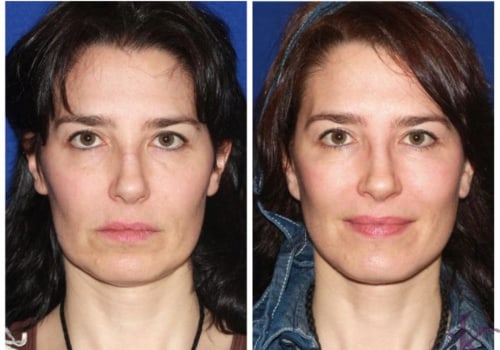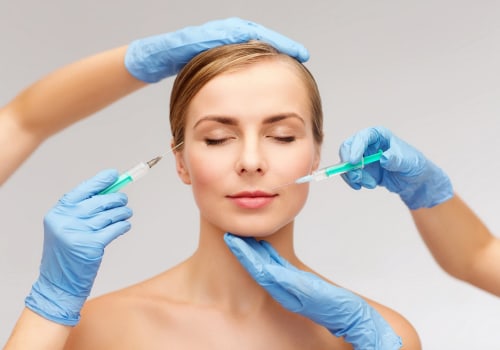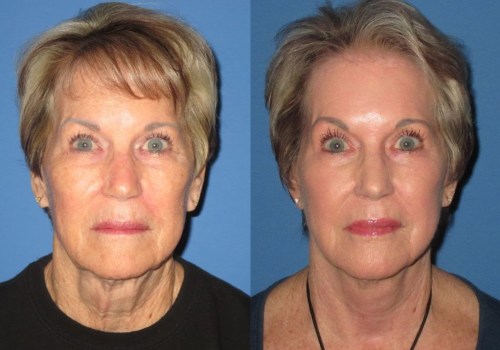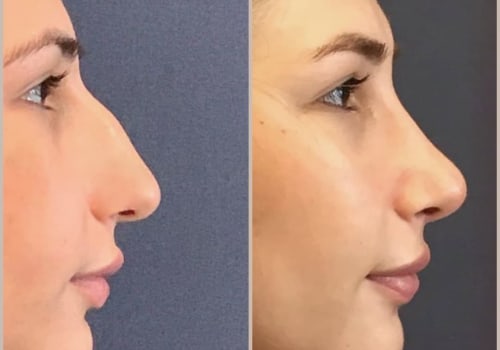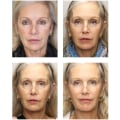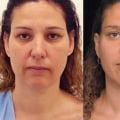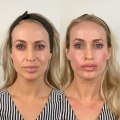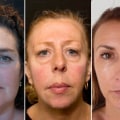
A mini facelift is a less invasive alternative to the traditional facelift, designed to address early signs of aging in the lower third of the face. This procedure specifically targets areas such as sagging skin around the jawline, loss of definition in the cheeks, and the appearance of a double chin. Unlike a full facelift, which involves more extensive incisions and a longer recovery period, a mini facelift utilises smaller incisions and focuses on lifting and tightening the skin without the need for extensive surgical intervention.The benefits of a mini facelift are numerous. Patients often experience shorter recovery times, reduced discomfort, and minimal scarring compared to traditional facelifts.
This makes it an appealing option for those who wish to rejuvenate their appearance without undergoing a more invasive procedure. Additionally, the results can be quite natural-looking, allowing individuals to maintain their unique facial characteristics while enhancing their overall appearance.When comparing a mini facelift to a traditional facelift, it is essential to consider the extent of correction needed. A traditional facelift is typically recommended for individuals with more advanced signs of aging or those seeking comprehensive facial rejuvenation. In contrast, a mini facelift is ideal for those who are just beginning to notice sagging skin or other minor imperfections.
Ultimately, the choice between these two procedures should be made in consultation with a qualified plastic surgeon who can assess individual needs and recommend the most suitable approach.
Who is a Good Candidate for a Mini Facelift?
Determining whether you are a suitable candidate for a mini facelift involves a careful evaluation of several factors, including age, skin condition, and personal motivations. This procedure is particularly beneficial for individuals who are beginning to notice signs of aging but do not yet require the extensive intervention of a full facelift.Age Considerations
While there is no strict age limit for undergoing a mini facelift, most ideal candidates tend to be in their 40s to 50s. At this stage, many individuals start to experience subtle sagging in the lower face, such as jowls or a less defined jawline. However, younger patients in their late 30s may also be considered if they exhibit early signs of aging due to genetics or lifestyle factors.
Skin Condition
The quality and elasticity of your skin play a crucial role in determining candidacy.
Candidates with good skin elasticity are more likely to achieve optimal results from a mini facelift. Those with significant sun damage, excessive wrinkles, or poor skin tone may not be ideal candidates, as these conditions can affect the healing process and overall outcome.
Personal Motivations
It is essential that candidates seek a mini facelift for personal reasons rather than external pressures. Individuals who wish to enhance their appearance and boost their self-confidence are often the best suited for this procedure. A clear understanding of what the surgery can achieve—and what it cannot—is vital.
A mini facelift can improve the lower third of the face but will not stop the aging process or eliminate all wrinkles.
Health Factors
Your overall health is another critical consideration. Candidates should ideally be non-smokers or willing to quit smoking prior to surgery, as smoking can significantly impair healing and increase the risk of complications. Additionally, individuals with chronic health issues should consult with their healthcare provider to ensure they are fit for surgery.Ultimately, the best way to determine if you are a good candidate for a mini facelift is through a comprehensive consultation with a qualified plastic surgeon. They will assess your individual needs and expectations, helping you make an informed decision about whether this procedure aligns with your aesthetic goals.
Age Considerations for Mini Facelifts
When considering a mini facelift, age plays a significant role in determining candidacy.While there is no strict age limit for undergoing this procedure, certain age ranges are more commonly associated with optimal results. Typically, candidates for a mini facelift are in their 40s to 50s , as this is when many individuals begin to notice the early signs of aging, such as sagging skin and loss of facial definition.As we age, our skin undergoes various changes that can affect its elasticity and overall appearance. The natural production of collagen and elastin decreases, leading to a less firm and more droopy appearance. This is particularly evident in the lower third of the face, where jowls may start to form and the jawline can lose its definition.
A mini facelift specifically targets these areas, making it an ideal option for those who are just beginning to experience these changes.However, age is not the only factor to consider when evaluating candidacy for a mini facelift. Skin quality and overall health are equally important. Younger patients in their late 30s may also be suitable candidates if they exhibit significant sagging or other concerns that could benefit from surgical intervention. Conversely, older patients may not be ideal candidates if they have underlying health issues or poor skin quality that could complicate the healing process.Another aspect to consider is the psychological readiness of the candidate.
Individuals should have realistic expectations about the outcomes of a mini facelift and understand that while it can enhance their appearance, it cannot stop the aging process altogether. Many patients find that they feel more confident and rejuvenated after the procedure, but it’s essential to approach it with a mindset focused on personal satisfaction rather than external pressures.In summary, while the best age range for a mini facelift typically falls between 40 and 50 years , individual factors such as skin condition, health status, and emotional readiness also play crucial roles in determining candidacy. Consulting with a qualified plastic surgeon can provide tailored advice based on personal circumstances and desired outcomes.
Physical Health and Lifestyle Factors
When considering a mini facelift, it is essential to evaluate not only the aesthetic goals but also the physical health and lifestyle factors that can significantly influence candidacy and surgical outcomes. Understanding these elements can help ensure a smoother procedure and recovery process.Health Requirements for a Mini Facelift
A good candidate for a mini facelift should ideally be in good overall health.This includes having no serious medical conditions that could complicate surgery or recovery. Conditions such as heart disease, diabetes, or autoimmune disorders may increase the risk of complications during and after the procedure. It is crucial to disclose your complete medical history to your surgeon, who will assess whether any existing health issues could affect your eligibility.
Lifestyle Factors Affecting Candidacy
Your lifestyle choices play a significant role in determining whether you are a suitable candidate for a mini facelift. Factors such as diet, exercise, and stress management can impact your skin's elasticity and overall healing capacity.Maintaining a balanced diet rich in vitamins and minerals can promote better skin health, while regular exercise improves circulation, aiding in recovery.
- Nutrition: A diet high in antioxidants, vitamins C and E, and healthy fats can enhance skin quality.
- Exercise: Regular physical activity helps maintain a healthy weight and improves blood flow, which is beneficial for healing.
- Stress Management: High stress levels can negatively affect your body’s healing process; practices like yoga or meditation can be beneficial.
The Impact of Smoking on Mini Facelift Candidacy
One of the most critical lifestyle factors affecting candidacy for a mini facelift is smoking. Active smokers are generally advised against undergoing any surgical procedures due to the adverse effects of nicotine on healing. Smoking constricts blood vessels, reducing blood flow to the skin and impairing the body’s ability to heal post-surgery. This can lead to increased scarring and complications during recovery.If you are a smoker considering a mini facelift, it is highly recommended to quit at least several weeks before the procedure and remain smoke-free during the recovery period.This not only enhances your chances of achieving optimal results but also contributes to your overall health.In summary, being in good physical health and making positive lifestyle choices are vital components in determining candidacy for a mini facelift. By addressing these factors, you can improve your chances of a successful outcome and enjoy the benefits of rejuvenated facial aesthetics.
Psychological Readiness and Expectations
When considering a mini facelift, it is crucial to evaluate not only the physical aspects but also the psychological readiness of the candidate. A successful outcome is often influenced by the patient’s mental state and their expectations regarding the procedure.Understanding Psychological Factors
Potential candidates should reflect on their motivations for seeking a mini facelift. Are they looking to enhance their appearance for personal satisfaction, or are they attempting to meet external pressures or societal standards? It is essential to approach this decision with a clear understanding of one’s own desires and motivations.
Candidates who are doing it for themselves, rather than to please others, tend to have more satisfying outcomes.
Realistic Expectations
Having realistic expectations is vital when considering a mini facelift. While this procedure can significantly improve the appearance of sagging skin and enhance facial contours, it is important to remember that it cannot stop the aging process. Candidates should understand that results will vary based on individual factors such as skin type, age, and overall health. Discussing these aspects with a qualified surgeon can help set achievable goals.
Mental Readiness for Surgery
Being mentally prepared for surgery involves understanding the recovery process and potential risks associated with the procedure.
Candidates should be aware that while mini facelifts are less invasive than traditional facelifts, they still require a commitment to post-operative care and recovery time. This includes managing swelling, bruising, and following aftercare instructions provided by the surgeon.Moreover, candidates should consider their emotional resilience. Surgery can be a stressful experience, and having a support system in place can be beneficial. Engaging in open conversations with friends or family about feelings and concerns can help alleviate anxiety surrounding the procedure.
Consultation with Professionals
A thorough consultation with a board-certified plastic surgeon is essential for assessing both physical and psychological readiness.
Surgeons can provide insights into what candidates can realistically expect from their mini facelift, helping them align their desires with achievable outcomes. This dialogue can also address any fears or uncertainties that may arise during the decision-making process.In conclusion, psychological readiness plays a significant role in determining candidacy for a mini facelift. By fostering realistic expectations and ensuring mental preparedness, candidates can enhance their chances of achieving satisfying results from their surgical journey.
Consultation with a Qualified Surgeon
When considering a mini facelift, the first and most crucial step is to schedule a consultation with a qualified plastic surgeon. This initial meeting serves as an opportunity for you to discuss your aesthetic goals, understand the procedure, and evaluate whether you are a suitable candidate for the surgery.During the consultation, you can expect the surgeon to conduct a thorough assessment of your facial structure, skin elasticity, and overall health.They will also review your medical history to identify any factors that may affect the surgery or recovery process. This comprehensive evaluation is essential in determining the best approach tailored to your individual needs.
Choosing the Right Surgeon
Selecting a qualified surgeon is paramount for achieving optimal results. Look for a board-certified plastic surgeon with extensive experience in performing mini facelifts. You can assess their qualifications by reviewing their credentials, patient testimonials, and before-and-after photos of previous patients.A reputable surgeon will be transparent about their experience and will encourage you to ask questions.
Key Questions to Ask
Benefits of Choosing a Mini Facelift
Opting for a mini facelift presents numerous advantages, particularly when compared to traditional facelift procedures. Understanding these benefits can help individuals make informed decisions about their cosmetic surgery options.Less Invasive Procedure
One of the primary benefits of a mini facelift is that it is significantly less invasive than a full facelift.
The procedure focuses on the lower third of the face, including the jawline and neck, which means smaller incisions are required. This not only reduces the overall trauma to the skin but also leads to less noticeable scarring.
Shorter Recovery Time
Patients often experience a much quicker recovery period with a mini facelift. While traditional facelifts may require weeks of downtime, many individuals find that they can return to their normal activities within just a few days after a mini facelift. This is particularly appealing for those with busy lifestyles or professional commitments.
Cost-Effectiveness
Financial considerations are always important when contemplating cosmetic surgery.
Mini facelifts generally come at a lower price point compared to full facelifts, making them more accessible for individuals who wish to enhance their appearance without breaking the bank. This affordability does not compromise quality; patients still receive excellent results tailored to their needs.
Natural-Looking Results
The techniques used in mini facelifts often yield more natural-looking results. Because the procedure is less extensive, it allows for subtle enhancements that maintain the patient's unique facial characteristics. This is particularly important for those who desire rejuvenation without appearing overly 'done.'
Customisable Options
A mini facelift can be tailored to meet individual aesthetic goals.
Surgeons can combine this procedure with other treatments, such as eyelid surgery or brow lifts, to achieve comprehensive facial rejuvenation. This flexibility allows patients to address multiple concerns in one surgical session.In summary, choosing a mini facelift offers numerous benefits, including reduced invasiveness, shorter recovery times, cost-effectiveness, natural results, and customisable options. These factors make it an attractive choice for those looking to enhance their appearance while minimising disruption to their daily lives.
Potential Risks and Considerations
While a mini facelift can offer significant aesthetic improvements, it is essential to be aware of the potential risks and complications associated with the procedure. Understanding these factors can help you make an informed decision and prepare adequately for surgery.Common Risks and Complications
- Infection: As with any surgical procedure, there is a risk of infection at the incision sites.
Proper aftercare and following your surgeon's instructions can help mitigate this risk.
- Scarring: Although mini facelifts are designed to minimize scarring, some patients may still experience noticeable scars. The extent of scarring can depend on individual healing processes and the surgeon's technique.
- Asymmetry: Post-surgery, some patients may notice asymmetry in their facial features. This can occur if one side heals differently than the other, necessitating further corrective procedures.
- Nerve Damage: There is a small risk of nerve damage during surgery, which can lead to temporary or permanent changes in sensation or movement in the face.
- Hematoma: The accumulation of blood under the skin can lead to swelling and bruising, requiring drainage in some cases.
Considerations Before Surgery
Before deciding on a mini facelift, consider the following:
- Your Health Status: A thorough medical evaluation is crucial. Conditions such as diabetes, heart disease, or autoimmune disorders can increase surgical risks.
- Aging Process: While a mini facelift can rejuvenate your appearance, it does not stop the aging process.
Be prepared for future treatments as your skin continues to age.
- Realistic Expectations: Understand what a mini facelift can achieve. Discuss your goals with your surgeon to ensure they align with what is realistically possible.
- Lifestyle Factors: Smoking and excessive alcohol consumption can hinder healing and increase complications. It is advisable to quit smoking several weeks before surgery.
Post-Operative Care and Recovery Expectations
Recovering from a mini facelift is a crucial phase that significantly influences the overall outcome of the procedure.Understanding what to expect during this time can help alleviate anxiety and ensure a smoother healing process.Immediately after the surgery, patients may experience some swelling, bruising, and discomfort in the treated areas. These symptoms are normal and typically subside within a few days. Most patients can expect to return to their daily activities within one to two weeks, although complete recovery may take several weeks.
Post-Operative Care Tips
- Follow Your Surgeon’s Instructions: Adhering to the specific guidelines provided by your surgeon is essential for optimal healing. This includes taking prescribed medications and attending follow-up appointments.
- Manage Swelling: Applying cold compresses to the face can help reduce swelling and discomfort.
It’s advisable to keep your head elevated, especially while sleeping, for the first few nights.
- Avoid Strenuous Activities: Refrain from heavy lifting, vigorous exercise, or any activities that could strain your facial muscles for at least two weeks post-surgery.
- Stay Hydrated: Drinking plenty of water aids in recovery and helps maintain skin elasticity.
- Limit Sun Exposure: Protect your skin from sun damage by wearing a wide-brimmed hat and using sunscreen once cleared by your surgeon.
<strong>Conclusion</strong>
In summary, determining whether you are a suitable candidate for a mini facelift involves a careful consideration of various factors, including your age, skin condition, and overall health.While individuals typically between the ages of 40 and 50 are often ideal candidates due to the early signs of aging they may be experiencing, it is essential to remember that age alone does not dictate eligibility. Each person's unique facial structure and aesthetic goals play a significant role in the decision-making process.Moreover, those who exhibit mild to moderate sagging in the lower face, such as jowls or a double chin, may find that a mini facelift effectively addresses their concerns without the need for more invasive procedures. This targeted approach allows for a rejuvenated appearance while maintaining a natural look, which is a primary goal for many patients.It is also crucial to consider lifestyle factors that may impact your candidacy. For instance, individuals who smoke or have certain medical conditions may face increased risks during surgery and recovery.
Consulting with a qualified plastic surgeon can provide valuable insights into how these factors may affect your suitability for the procedure.Ultimately, the decision to undergo a mini facelift should be made with careful thought and professional guidance. A thorough consultation with an experienced surgeon will help clarify your options and set realistic expectations regarding the outcomes of the procedure. Remember that while a mini facelift can significantly enhance your appearance, it is not a permanent solution to aging. Regular maintenance and skincare will continue to play vital roles in preserving your results over time.In conclusion, if you are considering a mini facelift, take the time to educate yourself about the procedure and engage in open discussions with your healthcare provider.
This proactive approach will empower you to make informed decisions that align with your personal aesthetic goals.